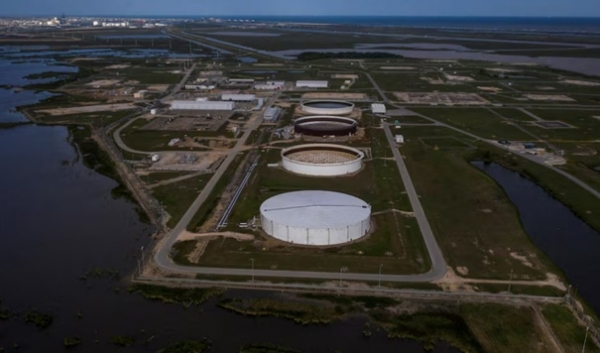
US Strategic Petroleum Reserve Depletion: Red Alert for National Energy Security
As consumers brace for what they believe are already high gasoline prices, a genuine oil crisis is quietly unfolding within the United States' Strategic Petroleum Reserve (SPR). This diminishing resource not only affects fuel costs but has profound implications for the nation's economy and energy security. The SPR, designed as a critical buffer against energy emergencies, has reached its lowest level in decades, raising concerns among policymakers, industry experts, and consumers alike.
The Current State of the Strategic Petroleum Reserve
The US Strategic Petroleum Reserve, established in 1975 following the oil crisis, serves as the world's largest emergency oil supply. As of September 2023, the reserve contained approximately 350 million barrels of oil—less than half the amount stored just three years earlier. This represents a dramatic decline from the peak of over 700 million barrels in early 2020, when global demand plummeted due to the COVID-19 pandemic.
The SPR's current capacity utilization stands at approximately 35%, well below the historical average of around 70%. This unprecedented depletion has occurred at a time when global oil markets face multiple challenges, including geopolitical tensions, supply chain disruptions, and fluctuating demand patterns.
| Year | SPR Inventory (Million Barrels) | Percentage Change |
|---|---|---|
| 2020 | 700 | Baseline |
| 2021 | 600 | -14.3% |
| 2022 | 500 | -16.7% |
| 2023 | 350 | -30.0% |
Factors Contributing to the Depletion
Domestic Production Challenges
The decline in domestic oil production has significantly contributed to the SPR's depletion. Following the pandemic, many American energy companies reduced exploration and drilling activities due to volatile prices and investor pressure toward more environmentally sustainable practices. While production has gradually recovered, it remains below pre-pandemic levels, creating a gap that the SPR has been tapped to fill.
Additionally, the Biden administration's energy policies have emphasized reducing fossil fuel dependency, resulting in fewer leases for federal lands and more stringent environmental regulations. These policies, while aligned with climate goals, have limited the expansion of domestic oil production capacity.
Geopolitical Crises and Global Supply Disruptions
Global oil markets have faced multiple disruptions since 2020, including:
- Russia-Ukraine Conflict: The war has disrupted supplies from one of the world's largest oil producers, leading to sanctions and voluntary embargoes that removed Russian oil from global markets.
- OPEC+ Production Decisions: The alliance of oil-producing nations has consistently maintained production cuts to stabilize prices, limiting global supply despite recovering demand.
- Strait of Hormuz Tensions: Ongoing tensions in this critical oil shipping lane have created uncertainty about supplies from the Middle East.
Strategic Reserve Sales for Market Intervention
Perhaps the most significant factor in the SPR's rapid depletion has been the Biden administration's decision to release substantial amounts of oil from the reserve to combat rising gasoline prices. Between March 2022 and December 2022 alone, the administration sold approximately 180 million barrels from the SPR—the largest emergency sale in the reserve's history.
These sales were intended to provide immediate relief to consumers facing record-high gas prices, which exceeded $5 per gallon in some regions. While temporarily effective in lowering prices, this approach has critically diminished the SPR's capacity to respond to future emergencies.
| Time Period | SPR Sales (Million Barrels) | Market Impact |
|---|---|---|
| March-May 2022 | 30 | Modest price reduction |
| June-July 2022 | 60 | Noticeable price decrease |
| March-December 2022 | 180 | Significant price moderation |
Implications for Gasoline Prices and the Economy
The depletion of the SPR comes at a precarious time for global energy markets. With diminished emergency reserves, the United States has reduced capacity to respond to future supply disruptions, potentially leading to prolonged periods of high oil and gasoline prices.
Industry analysts project that without strategic replenishment efforts, gasoline prices could exceed $4 per gallon within the next six months. Such price increases would have cascading effects throughout the economy:
- Consumer Spending: Higher transportation costs would reduce disposable income for other goods and services.
- Inflationary Pressure: Fuel costs affect nearly all sectors of the economy, potentially exacerbating inflation.
- Business Operations: Increased energy expenses would impact profit margins for transportation, manufacturing, and service industries.
- Economic Growth: Persistently high energy costs could slow economic recovery and growth.
Strategic Responses and Solutions
Rebuilding Domestic Production Capacity
Experts suggest that increasing domestic oil production should be a priority to reduce reliance on imported oil and rebuild the SPR. This approach would involve:
- Streamlining the permitting process for oil exploration and production on federal lands.
- Providing incentives for companies to invest in enhanced oil recovery technologies.
- Balancing environmental considerations with energy security needs.
Diversifying Energy Sources
While addressing immediate oil supply concerns, long-term energy security requires diversification into alternative energy sources:
- Renewable Energy Expansion: Accelerating investments in solar, wind, and other renewable technologies to reduce long-term oil dependency.
- Electric Vehicle Infrastructure: Expanding charging networks to facilitate the transition to electric transportation.
- Nuclear Power: Considering nuclear energy as a stable, low-carbon baseload power source.
Strategic Petroleum Reserve Management Reform
To prevent future depletion crises, policymakers are considering reforms to SPR management, including:
- Establishing minimum inventory thresholds that trigger automatic replenishment mechanisms.
- Implementing a more transparent and data-driven approach to SPR sales and purchases.
- Exploring international coordination with other nations' strategic reserves to create a global safety net.
International Perspectives and Cooperation
The United States is not alone in facing energy security challenges. Many nations have experienced similar pressures, particularly following the global energy disruptions of recent years. International cooperation could play a crucial role in addressing these challenges:
- IEA Coordination: Strengthening collaboration through the International Energy Agency to share resources and strategies.
- Alliance Partnerships: Working closely with allies to ensure collective energy security.
- Market Stability Mechanisms: Developing coordinated approaches to manage global oil markets more effectively.
The Path Forward: Balancing Immediate Needs and Long-Term Security
The depletion of the US Strategic Petroleum Reserve represents a critical juncture in the nation's energy policy. While immediate measures are needed to address current market conditions, long-term strategies must be developed to ensure energy security without compromising environmental goals.
A balanced approach would include:
- Phased replenishment of the SPR through strategic purchases when market conditions are favorable.
- Investment in domestic production capacity to reduce dependency on foreign oil.
- Accelerated transition to renewable energy sources to create a more sustainable energy future.
- Development of innovative technologies to improve energy efficiency and reduce overall consumption.
Conclusion: Navigating the Energy Security Imperative
The current situation with the Strategic Petroleum Reserve serves as a stark reminder of the delicate balance between immediate economic needs and long-term energy security. As the United States navigates these challenges, policymakers must make difficult decisions that will shape the nation's energy landscape for decades to come.
The path forward requires a comprehensive approach that addresses both the immediate oil supply concerns and the broader transition to a more sustainable energy future. Only through strategic planning, balanced policies, and international cooperation can the United States secure its energy needs while contributing to global climate goals.
The crisis unfolding in the Strategic Petroleum Reserve is not merely a technical issue of inventory management—it represents a fundamental challenge to the nation's economic resilience, geopolitical standing, and environmental commitments. How this challenge is addressed will determine the future of American energy security and its role in the global energy landscape.