Iran and Oman Make Significant Progress in Strait of Hormuz Negotiations
In a recent announcement that has drawn international attention, Iran has revealed that substantial progress has been achieved in ongoing negotiations with Oman regarding maritime activities through the Strait of Hormuz. This development marks a crucial step in the context of increasingly complex security dynamics in this strategically vital waterway.
Strategic Importance of the Strait of Hormuz
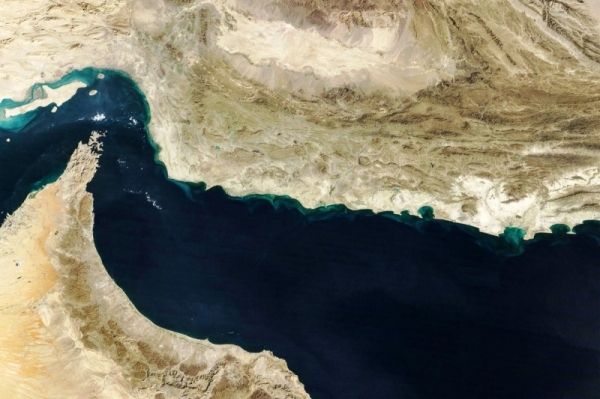
The Strait of Hormuz stands as one of the world's most critical maritime chokepoints, serving as the sole maritime passage connecting the Persian Gulf with the Gulf of Oman and the Arabian Sea. According to recent data, approximately 20% of global oil production, equivalent to about 17-18 million barrels per day, transits through this narrow waterway. Additionally, nearly one-third of global liquefied natural gas (LNG) trade passes through the strait, making it an economic lifeline for numerous countries worldwide.
The strategic significance of this waterway extends beyond energy security. The strait facilitates approximately 30% of global seaborne trade, including manufactured goods, food supplies, and raw materials. Any disruption to maritime navigation in this region would have immediate and far-reaching consequences for global supply chains and economic stability.
Scope of the Negotiations
The ongoing dialogue between Iran and Oman encompasses multiple dimensions of maritime cooperation and security. These negotiations represent a diplomatic effort to establish a framework that ensures safe navigation while addressing legitimate security concerns of all parties involved.
Key areas of discussion include:
- Maritime security protocols and conflict prevention mechanisms
- Coordination of search and rescue operations
- Environmental protection measures to prevent oil spills and marine pollution
- Joint surveillance and monitoring systems
- Dispute resolution mechanisms for maritime incidents
Iran has consistently emphasized that the stability of the Strait of Hormuz is a shared responsibility requiring collective action. Iranian officials have articulated that the security of this waterway is not merely a national issue but a global concern affecting international trade and energy security.
Key Achievements in the Negotiations
The recent round of negotiations has yielded several concrete outcomes that demonstrate tangible progress in bilateral relations and maritime cooperation:
| Area of Cooperation | Achievements | Implementation Timeline |
|---|---|---|
| Communication Enhancement | Establishment of a dedicated maritime communication channel with standardized protocols for rapid information exchange | Immediate implementation |
| Security Coordination | Joint naval exercises and coordinated patrol schedules to prevent misunderstandings and enhance situational awareness | Phased implementation over 6 months |
| Commercial Agreements | Preliminary agreements on port services, customs procedures, and trade facilitation measures | Finalization within next quarter |
| Environmental Protection | Framework for joint response to marine pollution incidents and shared monitoring of sensitive marine ecosystems | Development of detailed protocols within 12 months |
These achievements represent a significant departure from previous periods of heightened tension in the region, particularly following incidents involving vessel seizures and alleged sabotage operations against commercial shipping.
Regional Implications and International Response
The progress in Iran-Oman negotiations carries profound implications for regional security architecture in the Middle East. Oman, traditionally serving as a diplomatic interlocutor between Iran and Western powers, has positioned itself as a crucial facilitator in de-escalating maritime tensions.
Regional analysts suggest that this diplomatic breakthrough could potentially influence broader dynamics in the Gulf region. The successful implementation of maritime cooperation frameworks between Iran and Oman might encourage similar arrangements between other regional adversaries, creating a precedent for confidence-building measures.
The international community has responded with cautious optimism. Major maritime nations, including those whose vessels regularly traverse the strait, have welcomed the development while emphasizing the need for verifiable implementation of any agreements. The United Nations has indicated its willingness to support monitoring mechanisms that could ensure compliance with established protocols.
Expert Analysis and Future Scenarios
Military and maritime security experts have offered mixed assessments of the potential long-term impact of these negotiations. While acknowledging the positive diplomatic signals, many emphasize that sustainable security in the Strait of Hormuz requires broader regional participation and addressing underlying political tensions.
Potential future scenarios include:
- Expansion of the Iran-Oman framework to include other Gulf Cooperation Council (GCC) states
- Development of a multilateral maritime security pact with international oversight
- Integration of advanced technologies such as AI-powered surveillance systems to enhance monitoring capabilities
- Increased economic interdependence leading to greater political cooperation
However, analysts also caution that the implementation of these agreements faces significant challenges, including external political pressures, differing interpretations of maritime rights, and the potential for escalation in other regional conflicts.
Conclusion
The recent progress in Iran-Oman negotiations regarding the Strait of Hormuz represents a potentially significant development in regional maritime security. The establishment of enhanced communication channels, coordinated security measures, and preliminary commercial agreements could contribute to a more stable operating environment in this critical waterway.
As implementation proceeds, the international community will closely monitor whether these diplomatic advances translate into tangible improvements in maritime safety and security. The success of these negotiations could serve as a model for resolving other regional conflicts through dialogue and mutual interest frameworks.
Ultimately, the stability of the Strait of Hormuz remains a shared global responsibility requiring sustained diplomatic effort, technical cooperation, and political will from all stakeholders. The coming months will be critical in determining whether this latest development marks a genuine turning point or represents merely another step in a long and complex diplomatic process.
#Iran #Oman #StraitOfHormuz #MaritimeSecurity #InternationalDiplomacy #EnergySecurity #MiddleEast