Escalating Tensions Between United States and Iran: The Unfolding Conflict
The conflict between the United States and Iran has entered its second week, with the US Central Command confirming the tenth consecutive airstrike against Iranian command centers, missile locations, and air defense systems on Tuesday morning. This larger conflict, which has persisted for nearly five months since erupting in late February, has severely impacted the oil market, with Brent oil currently trading near $89 per barrel and national gasoline prices exceeding $4 per gallon, while the list of threats to supply continues to grow.
Military Operations and Counter-Claims
On Tuesday morning, Iran's Islamic Revolutionary Guard Corps (IRGC) announced that they had destroyed what they described as Amazon's central data infrastructure infrastructure in Bahrain through a cruise missile attack, along with Patriot defense systems in Muharraq and Riffa. Additionally, the IRGC claimed to have attacked a US MQ-9 drone storage facility at Ali Al Salem Air Force Base in Kuwait. However, as of Tuesday morning, neither the US military nor officials from Bahrain and Kuwait have confirmed these claims.
The United States has maintained its military operations, targeting what it describes as Iranian-backed militia positions responsible for attacks on US forces and interests in the region. The frequency and intensity of these strikes have increased dramatically in recent weeks, marking a significant escalation in the already volatile situation.
New Threats Emerge from Yemen
A more significant threat to the oil market emerged one day prior when Yemen's Houthi forces announced an immediate maritime ban on Saudi Arabia, opening a new front along the Bab el-Mandeb Strait. This action targets the pipeline route that Saudi Arabia relies on to transport crude oil to the Yanbu export port on the Red Sea, a route that has already been under pressure since the conflict disrupted most oil tanker traffic through Hormuz. A complete closure could potentially eliminate approximately 7% of global oil supply, according to Reuters.
The Bab el-Mandeb Strait represents a critical chokepoint in global shipping, connecting the Red Sea to the Gulf of Aden and the Indian Ocean. Any disruption to this route could have far-reaching consequences for global trade and energy markets.
Rising Oil Prices and Market Volatility
Brent oil prices briefly exceeded the $90 per barrel mark before retreating to $89 as traders evaluated information that intermediaries had submitted new proposals, including a possible 10-day ceasefire, to end the conflict. The Strait of Hormuz has become increasingly dangerous for vessels still willing to traverse it. Two oil tankers operated by Greek operator Dynacom were attacked by unidentified objects on Monday while moving through the southern corridor supported by the United States, designed to avoid Iranian forces near the traditional transit route. The Malta-flagged Kavomaleas caught fire in its engine compartment and was evacuated. The Liberian-flagged super tanker Acheloos, capable of carrying 2 million barrels of oil, was also attacked and had to divert to anchorage. Both crews were safe.
The attacks on commercial vessels highlight the growing risk to international shipping in the region, with insurance costs already rising and some shipping companies rerouting their vessels around Africa, adding significant time and expense to global supply chains.
Impact on US Gasoline Markets
The pain has been felt at US gas pumps. The national average gasoline price reached $4.003 per gallon on Monday, according to AAA, up 13 cents in a week and back above the $4 mark for the first time since mid-June, when a previous ceasefire temporarily reopened the strait. Diesel prices have risen to $5.10 per gallon. The highest prices were recorded in California, near $5.49, and the lowest in Indiana, around $3.35.
The rising fuel prices are beginning to impact consumer behavior and business operations across various sectors, from transportation to manufacturing, potentially contributing to inflationary pressures in the already fragile US economy.
Mounting Casualties
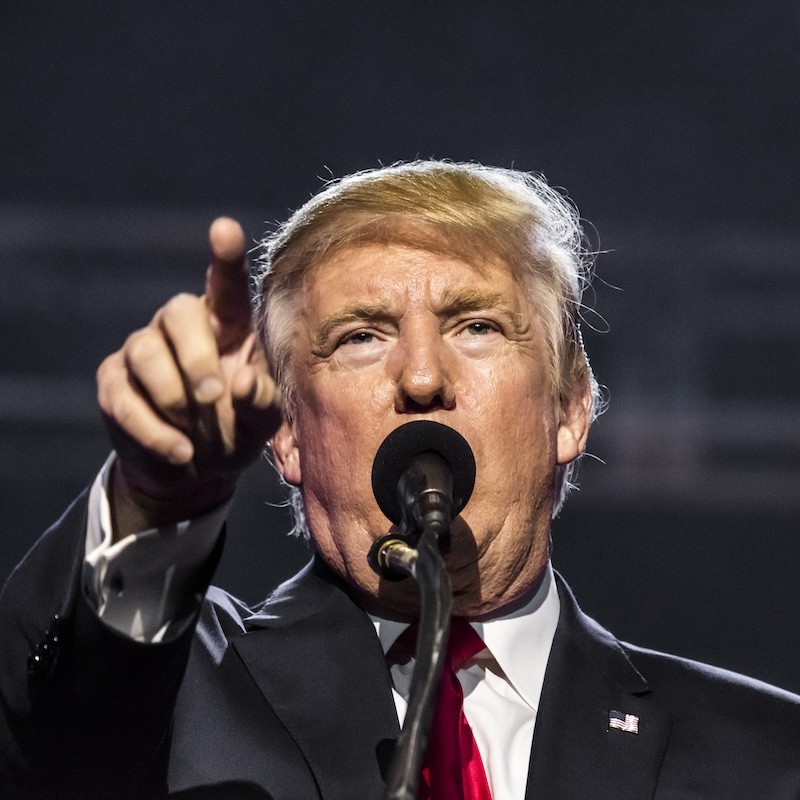
Casualties are also mounting. President Trump wrote on social media platform Truth Social on Monday that "every time Iran kills an American soldier, they will pay a price for that killing many times over." The number of US soldiers killed has reached 17 following the deaths of three service members at the end of last week.
The human cost of this conflict extends beyond military personnel to include civilian casualties in the region and the families of those deployed, many of whom face extended deployments and heightened risks.
Department of Defense Updates
The US Department of Defense reported that nearly 100 service members have been injured since July 7, mostly with minor injuries, with 96% having returned to duty. CENTCOM stated that it has helped move approximately 900 commercial vessels and 450 million barrels of crude oil through the strait since early May, although the conflict around this traffic continues to escalate.
The military's focus has shifted from primarily defensive posturing to active engagement, with increased naval patrols in the region and enhanced security measures for commercial vessels deemed critical to global energy supplies.
Future Scenarios and Market Implications
With intermediaries pushing for a ceasefire and Tehran showing openness to negotiations, oil traders are pricing two completely different scenarios: a de-escalation scenario leading to the reopening of Hormuz, or a wider conflict that draws in Saudi Arabia's last safe export route.
Energy analysts suggest that a prolonged conflict could push oil prices well above $100 per barrel, triggering a global economic downturn similar to the 1970s oil crisis. Conversely, a diplomatic resolution could lead to a rapid price correction, though lasting trust between the parties remains a significant challenge.
Geopolitical Ramifications
The conflict has broader geopolitical implications, affecting relationships between major powers and reshaping alliances in the Middle East. European nations have expressed concern over the escalation, while Asian oil-importing nations face increasing pressure on their energy security.
The situation has also complicated efforts to address other regional conflicts, with diplomatic resources being diverted to manage the US-Iran standoff. International organizations, including the United Nations, have called for restraint and renewed dialogue.
| Information | Value |
|---|---|
| Brent Oil Price | $89 per barrel |
| National Average Gasoline Price | $4.003 per gallon |
| Diesel Price | $5.10 per gallon |
| Number of US Soldiers Killed | 17 |
| Number of US Service Members Injured | 100 |
| Commercial Vessels Moved by CENTCOM | 900 |
| Crude Oil Moved by CENTCOM | 450 million barrels |
Economic and Social Consequences
Beyond the immediate market impacts, the conflict has significant economic and social consequences. Global supply chains are facing disruptions, particularly in industries reliant on stable energy prices. Developing nations, which spend a larger portion of their GDP on energy imports, are experiencing disproportionate economic stress.
Socially, the rising cost of living, driven by energy prices, is affecting households worldwide, potentially leading to increased social and political unrest in already vulnerable regions. The conflict has also heightened tensions within communities, particularly in countries with significant diaspora populations from both nations.
Conclusion and Path Forward
This conflict not only affects political situations but also deeply impacts the global economy, particularly in the energy sector. All involved parties need to quickly find peaceful solutions to avoid unnecessary damage to both sides.
The international community faces the challenge of balancing immediate security concerns with the need for long-term stability in the region. Diplomatic efforts, while challenging, represent the most viable path toward de-escalation and eventual resolution of this complex and dangerous situation.
As the conflict continues to evolve, the world watches closely, recognizing that the outcome will shape geopolitical dynamics and economic stability for years to come.