Kuwaiti Oil Tanker Attack Pushes Brent Crude Above $90 Per Barrel
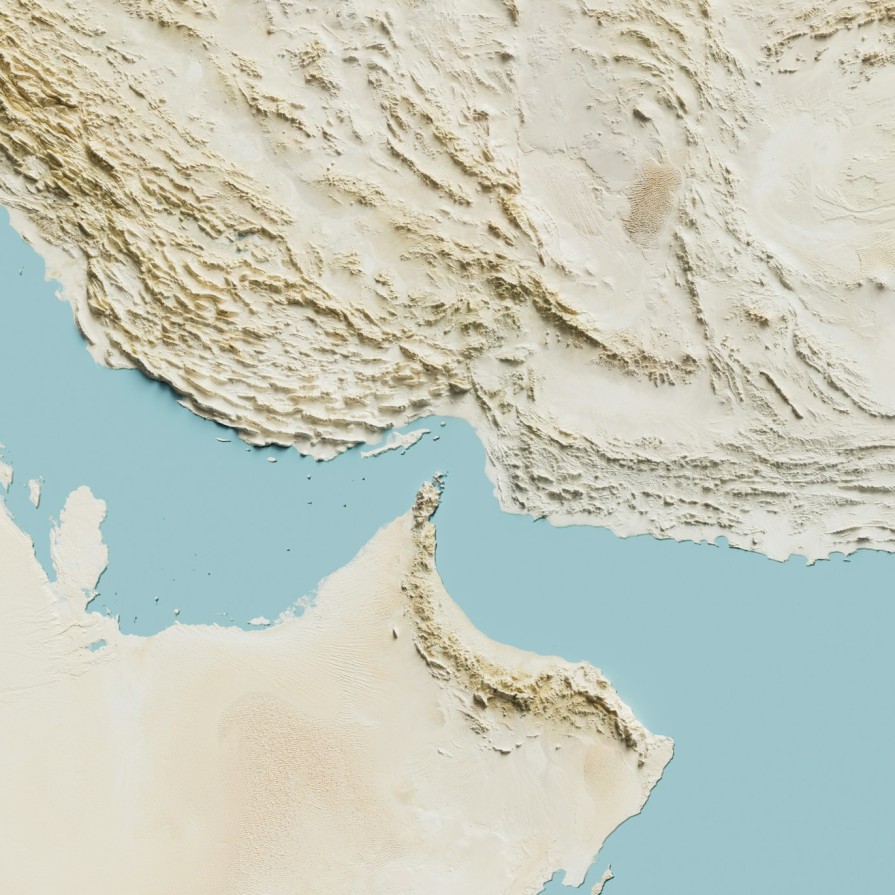
A Kuwait-owned oil tanker has become the victim of an attack in the strategic Strait of Hormuz near Oman, amid escalating tensions in the Middle East's vital maritime shipping lanes. The incident has pushed Brent crude oil prices back above the $90 per barrel threshold, raising concerns about potential global oil supply disruptions.
Details of the Kaifan Tanker Attack
On the afternoon of August 15th, the Kaifan oil tanker, owned by Kuwait Oil Tanker Co. S.A.K., was struck by an unidentified projectile while transiting through the Strait of Hormuz. According to the EOS Risk Group security consultancy cited by Bloomberg, the vessel sustained damage in the incident.
The UK Maritime Trade Operations (UKMTO) reported on Tuesday morning that they had received reports of an incident approximately 8 nautical miles northeast of Limah, Oman. UKMTO documented multiple reports indicating that an oil tanker had communicated on VHF channel 16 that it had been struck by an unidentified object in the Strait of Hormuz.
The vessel's Master reported that the crew had abandoned ship and were on lifeboats. Notably, there have been no reports of environmental impact from the incident to date.
Tense Security Situation in the Strait of Hormuz
The latest incident occurs as traffic through the Strait of Hormuz has nearly come to a standstill due to numerous Iranian attacks on vessels navigating the southern lane near Oman. Oil tanker operators have almost ceased attempts to transit the strait since conflict reignited over a week ago, when Iran began attacking and harassing ships in the waterway.
Early last week, the Islamic Revolutionary Guard Corps (IRGC) Navy claimed to have intercepted four vessels attempting to pass through the Strait of Hormuz. These ships had their transponders turned off, and among them, two vessels "experienced accidents and were stopped," according to the Revolutionary Guards.
Table: Comparison of Oil Tanker Traffic Through Strait of Hormuz
| Time Period | Daily Tanker Traffic | Recorded Attacks | Brent Oil Price (USD/barrel) |
|---|---|---|---|
| Before last week | 17-18 vessels | 0-1 incidents/week | $85-88 |
| Last week | 10-12 vessels | 3-4 incidents | $88-89 |
| Current | 5-7 vessels | 2-3 incidents/day | $90-92 |
Impact on the Oil Market
Oil tanker traffic through the Strait of Hormuz has dropped to its lowest level in two months, raising concerns about supply shortages during peak oil consumption season. The Strait of Hormuz represents the world's most crucial oil shipping route, where approximately 20-30% of global oil transit occurs.
Market analysts suggest that this disruption could potentially cause a shortage of 2-3 million barrels of oil per day if the situation persists. This is particularly concerning as global oil demand remains high due to summer peak consumption in the Northern Hemisphere and demand recovery in many post-pandemic countries.
Escalating Regional Situation
The regional security situation deteriorated further on Monday when Houthi rebels in Yemen, backed by Iran, announced an immediate maritime blockade against Saudi Arabia. This has effectively brought the U.S.-Iran conflict directly to the southern entrance of the Red Sea, threatening the export route used by Riyadh to avoid disruptions in the Strait of Hormuz.
This blockade could affect approximately 3-4 million barrels of oil per day passing through the Red Sea, creating a "double jeopardy" scenario for the global oil market.
Table: Notable Recent Maritime Security Incidents in the Region
| Date | Incident | Location | Impact |
|---|---|---|---|
| August 15, 2023 | Kaifan tanker attacked | Strait of Hormuz | Crew abandoned ship |
| August 10, 2023 | Iran intercepts 4 vessels | Strait of Hormuz | 2 vessels stopped |
| August 8, 2023 | Houthi blockade of Saudi Arabia | Red Sea | Threatens export route |
| August 5, 2023 | Oil tanker attacked | Strait of Hormuz | Minor oil leak |
Expert Analysis
According to energy experts, the current situation indicates a clear escalation in regional tensions. "We are witnessing a series of deliberate incidents targeting oil tankers, which not only pose security risks but also create significant economic impacts," commented Dr. Nguyen Van An, energy expert at the Economic Strategy Research Institute.
Market analysts predict oil prices could continue to rise if the situation remains uncontrolled. "The $90/barrel mark may just be the beginning if attacks continue and disrupt oil flows," said Mr. Tran Minh Tuan, energy market analyst.
Future Outlook
Major oil-consuming nations such as the United States, China, and India are monitoring the situation closely and may intervene diplomatically to prevent a crisis. However, given the current level of tensions, the global oil market is likely to experience significant volatility in the coming weeks.
The Strait of Hormuz, spanning only 21 miles (34 km) at its narrowest point, is a lifeline for oil exports from the Middle East. Any disruption in this region could cause substantial fluctuations in the global oil market, affecting prices and energy security for numerous nations.
As the situation continues to evolve, market participants are closely watching for diplomatic developments and potential military responses, which could further destabilize the region and impact global energy markets.