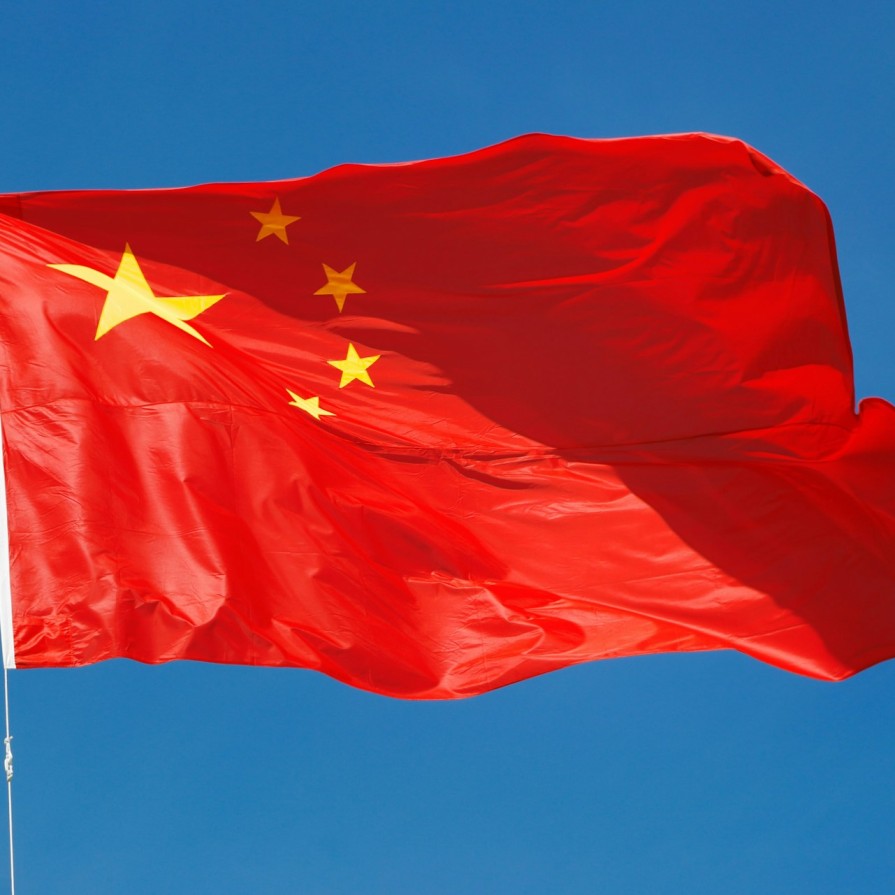
China Receives First US LNG Shipment in Over a Year, Plans Resale to Avoid Tariffs
Chinese Importers Receive Cargo at Yangpu Port Without Formal Entry to Avoid 25% Tariff
Chinese importers have taken delivery of the first liquefied natural gas (LNG) cargo from the United States in over a year and are planning to resell the shipment to other markets, benefiting from higher prices and avoiding a 25% tariff, according to sources familiar with the matter as reported by Bloomberg on Monday.
The Yangpu port in southern China has received a US LNG cargo from the Plaquemines LNG export facility, operated by Venture Global in Plaquemines Parish, Louisiana. This marks the first US LNG delivery to China in more than a year. However, the gas was discharged into a bonded storage facility without formal import into China, as the buyer would be required to pay a 25% tariff on the shipment.
Strategic Resale of Natural Gas
According to Bloomberg's sources, the cargo was purchased with the intention of reselling it at higher prices in non-Chinese markets. Vessel tracking data monitored by Bloomberg shows that an empty tanker recently called at Yangpu port, possibly to load the gas for re-export.
This move indicates that China is not so desperate for LNG that it is willing to pay the 25% tariff to re-import the liquefied natural gas from the United States. Although the Middle East conflict has reduced exports from Qatar and the UAE over the past five months, China's LNG imports have recovered in recent weeks as seasonal demand has increased.
China's LNG Import Recovery
China increased its LNG imports for two consecutive months in June as the world's top LNG importer prepared for peak summer electricity demand. Official customs data released last week showed China's LNG imports rose 8.3% from a year earlier to 5.68 million tons in June.
This marks the second consecutive month of year-on-year increase in China's LNG imports, following three months of declining LNG arrivals in February, March, and April. China's imports began recovering in May, rebounding from an eight-year low, as buyers started purchasing more cargo in mid-April and have maintained high import rates since then.
| Month | LNG Imports (million tons) | YoY Change (%) |
|---|---|---|
| February | - | - |
| March | - | - |
| April | - | - |
| May | - | - |
| June | 5.68 | +8.3% |
Diversification of LNG Supply Sources
China's massive state-owned LNG importers are also said to be in negotiations to secure long-term LNG supplies from exporters that do not require passage through the Strait of Hormuz, as the world's largest LNG importer seeks to minimize risks from importing gas from the Persian Gulf, according to sources familiar with the matter reported by Bloomberg earlier this month.
The fact that China is re-exporting its first US LNG cargo after more than a year demonstrates the sophistication in the country's energy strategy. Rather than accepting the tariff, importers have found ways to capitalize on international price differentials while simultaneously diversifying supply sources to reduce geopolitical risks.
Against a backdrop of rising global LNG demand and significant market volatility due to geopolitical tensions in the Middle East, China is demonstrating flexibility in its import strategy. The recent import increase may be part of a broader energy reserve strategy for the hot summer season and approaching winter.
Written by Charles Kennedy for Oilprice.com