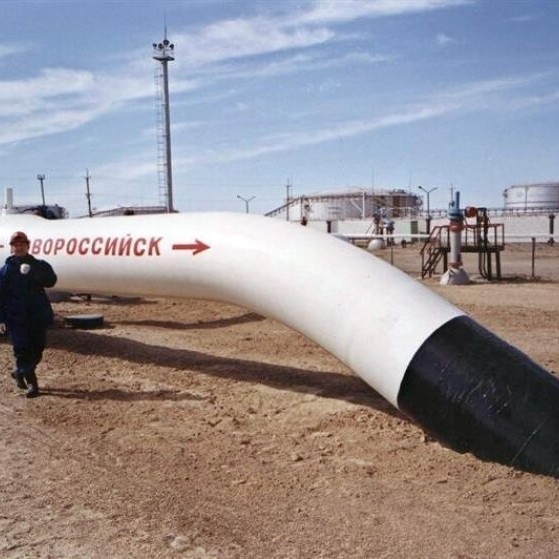
Kazakhstan Restores Oil Exports via CPC Pipeline Following Week-Long Drone Attack Disruption
In a significant development for global energy markets, Kazakhstan has successfully resumed crude oil exports through the Caspian Pipeline Consortium (CPC) system as of Monday, following a week-long suspension triggered by repeated drone attacks. The restoration of operations comes after the pipeline operator reopened the Black Sea terminal and continued receiving oil from producers, according to Kazakhstan's Astana Times.
Current Operational Status
As confirmed by Kazakhstan's Ministry of Energy, two oil tankers are currently being loaded at the Novorossiysk terminal from the Tengizchevroil project, which is led by Chevron. Meanwhile, oil producers have resumed deliveries to the CPC pipeline system. The ministry emphasized that export operations will continue subject to ongoing security assessments.
The terminal's reopening follows a week-long suspension of oil intake and loading operations after repeated drone attacks targeted vessels operating at or near the facility. In response to the disruption, Kazakhstan had ordered producers to reduce output to prevent storage facilities from reaching capacity amid the export system's shutdown.
Production Impact Assessment
Industry data cited by Reuters indicates that Kazakhstan's oil and gas condensate production fell to approximately 133,200 metric tons, or about 1 million barrels per day, on Sunday. This represents a significant decrease from the average production rate of 2.16 million barrels per day recorded in June.
CPC separately confirmed that pipeline operations were restored at 12:28 PM Moscow time. However, the ministry did not specify how quickly production volumes would return to normal levels, leaving market observers to monitor the situation closely.
The CPC Pipeline: A Critical Transportation Artery
Spanning 1,500 kilometers, the CPC pipeline transports crude oil from Kazakhstan's massive Tengiz oil field across southern Russia to the Black Sea port of Novorossiysk. The system carries over 80% of Kazakhstan's crude oil exports, making it an indispensable component of the country's energy infrastructure. International producers including Chevron and ExxonMobil rely on this route to bring Tengiz's production to global markets.
Chevron-chartered Suezmax Asia tanker was also positioned at the port on Monday, according to LSEG vessel tracking data cited by Reuters. Chevron confirmed they continue to monitor the situation at CPC but declined further comment, stating directly to Reuters that they have no additional information to share.
Corporate Responses and Security Measures
Chevron, the primary operator of the Tengizchevroil project, issued a statement confirming their active cooperation with Kazakh and Russian authorities to ensure the security of their operations. The company emphasized its commitment to the safety and security of its personnel and assets.
Industry analysts have noted that this short-term disruption could have significant implications for global energy markets, particularly against the backdrop of increasing geopolitical tensions in the region. The incident highlights vulnerabilities in critical energy infrastructure and the potential for rapid supply shocks.
Global Oil Market Implications
The disruption temporarily removed over 1 million barrels per day of Kazakh production from the market, adding to supply risks amid ongoing global oil market pressures. This includes disruptions affecting both Black Sea shipping lanes and Middle Eastern transportation routes.
Oil prices reacted to the news, with Brent crude experiencing a slight increase during Tuesday morning's Asian trading session. Analysts forecast that markets will continue to closely monitor the situation in the CPC region in the coming days, with potential price volatility remaining a concern.
Impact Summary
| Parameter | Pre-disruption | During disruption | Post-restoration |
|---|---|---|---|
| Oil production (thousand tons/day) | ~2,160 | ~1,332 | Being restored |
| CPC exports | Normal | Complete halt | Being restored |
| Vessels at port | 2-3 | 0 | Minimum 2 |
| Security situation | Under monitoring | High risk | Under assessment |
Future Outlook and Security Considerations
The restoration of Kazakhstan's oil exports demonstrates the resilience of the energy industry, but the incident raises critical questions about the long-term security of vital energy transportation routes. As geopolitical tensions persist, protecting critical energy infrastructure has become an increasingly complex challenge for both public and private sector stakeholders.
Industry experts suggest that while export operations have been restored, the security situation in the region will remain under close scrutiny. Any future disruptions could trigger significant market volatility, potentially affecting global oil prices and energy security arrangements worldwide.
Moreover, this incident highlights the evolving nature of threats to energy infrastructure, with drone attacks representing a relatively new challenge that requires innovative security approaches. The vulnerability of maritime terminals and pipeline systems to such attacks has become a pressing concern for energy security planners.
Conclusion
The temporary suspension and subsequent restoration of Kazakhstan's CPC pipeline operations underscore the increasing security challenges facing global energy infrastructure, particularly in regions with heightened geopolitical tensions. Kazakhstan's swift recovery of export capabilities demonstrates the adaptability of the energy industry, yet also raises questions about the long-term resilience of critical energy transportation corridors against persistent security threats.
As markets continue to monitor developments in the region, energy security experts predict that while export operations have resumed, the security situation at the CPC will remain under close observation. Any future disruptions could potentially cause significant fluctuations in global energy markets, particularly as the world continues to navigate complex geopolitical and energy security challenges.