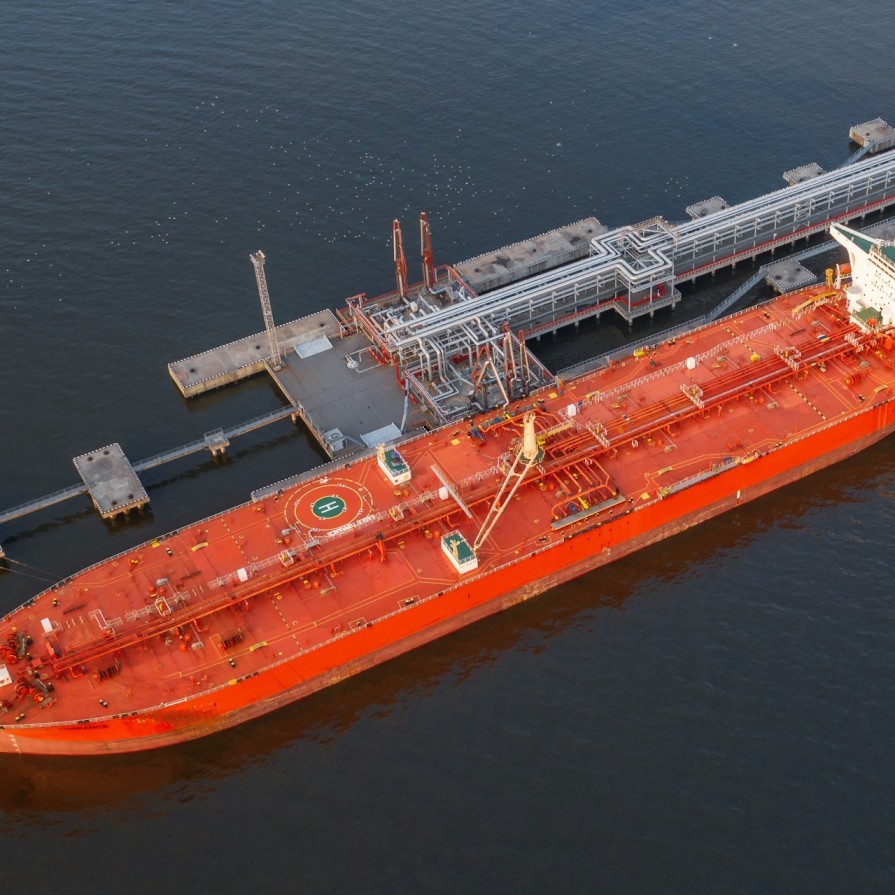
ADNOC Intensifies Crude Oil Exports Despite Regional Security Threats
The Abu Dhabi National Oil Company (ADNOC) has issued its seventh tender for crude oil exports from the United Arab Emirates (UAE) since the beginning of June. This strategic move demonstrates the UAE's commitment to maintaining oil export operations amidst escalating geopolitical tensions in the region.
ADNOC's Seventh Tender Offering
According to Reuters, citing commercial sources, ADNOC is inviting potential buyers to participate in tenders scheduled for next week for cargoes expected to be loaded between August and October. The company plans to sell millions of barrels of oil from both within and outside the Persian Gulf.
In this tender, ADNOC will automatically reject any bids with discounted price offers, according to Reuters sources. This indicates ADNOC's strategy to maximize profits amid market volatility.
Tender Specifications and Logistics
ADNOC is offering crude oil cargoes to be loaded from Zirku and Das Island ports in the Persian Gulf, as well as from Fujairah port outside the gulf. Additionally, the company offers the option of transshipment operations—transferring oil from one vessel to another—off the coast of Fujairah or Malaysia.
This initiative continues despite new threats to supply routes through the Strait of Hormuz and ongoing threats to commercial vessels in the Red Sea by Houthi forces in Yemen, who have ties to Iran.
Success of Previous Tender Rounds
Since early June, ADNOC has successfully sold over 74 million barrels of crude oil to various buyers through previous tenders. This has been achieved through a "transshipment" service that allows oil to be transferred to tankers outside the Strait of Hormuz.
This strategy has enabled the UAE to maintain efficient crude oil export operations even when primary maritime routes face security risks.
UAE's Increasing Oil Production
Just before Middle East tensions escalated, the UAE was estimated to have produced 4.1 million barrels per day (bpd) of crude oil in June, marking the country's all-time high production level.
According to estimates from the International Energy Agency (IEA), the UAE's crude oil production increased from 3.3 million bpd in May to 4.1 million bpd in June. This growth occurred after the UAE officially left OPEC on May 1 and began increasing production.
Adaptation Strategies Amidst Challenges
The UAE has adapted to potential Strait of Hormuz closures by allowing oil tankers to transit the strait in "stealth mode" and increasingly offering its crude oil grades for loading at Fujairah and Sohar in Oman, located outside the strait.
This strategy helps the UAE maintain efficient crude oil export operations even when primary maritime routes face security threats.
UAE Crude Oil Export Analysis
The following table summarizes the UAE's crude oil export situation in recent months:
| Time Period | Oil Production (million bpd) | Export Strategy | Export Volume (million barrels) |
|---|---|---|---|
| May 2023 | 3.3 | Exports through Strait of Hormuz | - |
| June 2023 | 4.1 | Exports through strait and offshore | - |
| Early June to present | - | Diversified routes, transshipment | 74+ |
The Strategic Importance of Oil to UAE's Economy
Crude oil remains the primary revenue source for the UAE, constituting the majority of the national budget and contributing significantly to GDP. Maintaining efficient oil export operations is vital to the country's economic stability.
ADNOC and the UAE's strategy in adapting to geopolitical challenges demonstrates flexibility and determination to maintain the UAE's position as one of the world's leading oil producers and exporters.
Future Outlook and Industry Implications
ADNOC's continued issuance of crude oil tenders reflects the UAE's confidence in its ability to maintain oil export operations despite complex geopolitical circumstances. The transshipment and route diversification strategy helps the UAE overcome security challenges while maintaining its position as a top global oil producer.
The rapid increase in oil production from 3.3 million bpd to 4.1 million bpd in a short period shows that the UAE is effectively leveraging its departure from OPEC to maximize oil production and exports.
This strategic approach not only ensures economic stability for the UAE but also contributes to global oil market dynamics, potentially influencing pricing and supply security in the region and beyond.