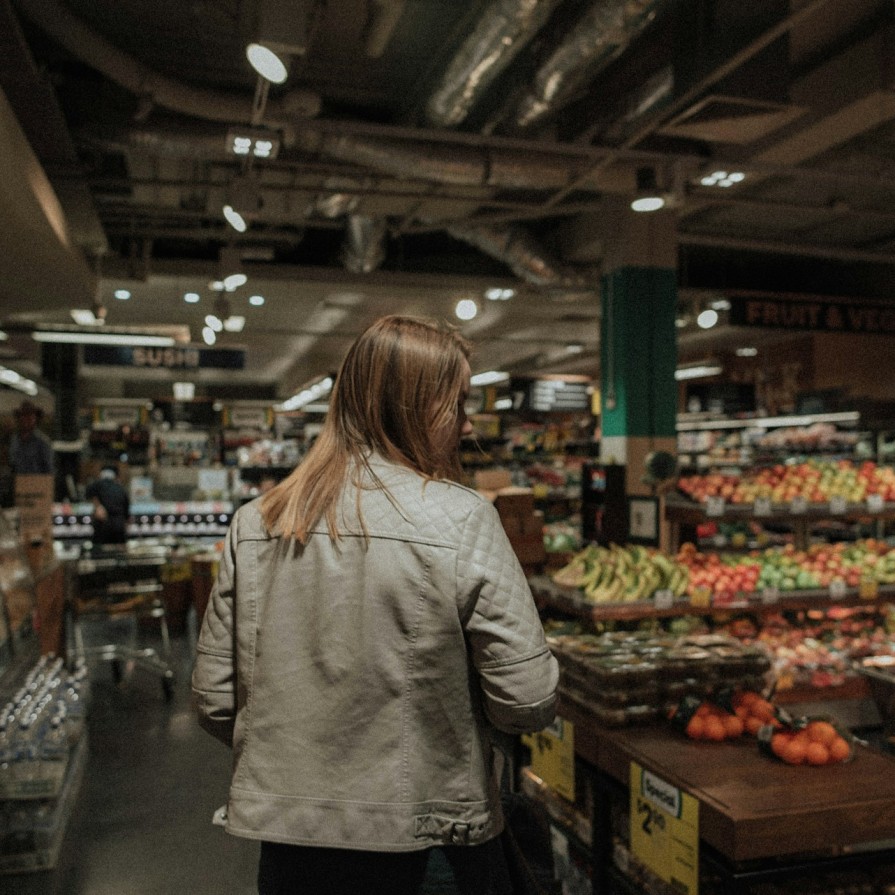
Tet Wage Prices Reach 3-Year High, Global Fluctuations Threaten Food Security
Global agricultural prices have just reached their highest level in three years, signaling a wave of rising prices is about to flood supermarkets around the world. The situation stems from a combination of two main factors: extreme heat waves and escalating conflict in the Black Sea that threaten to disrupt global grain trade, along with constant volatility in fertilizer markets stemming from the war in Iran and the closure of the Strait of Hormuz.
Fertilizer Crisis: Dangerous "Inputs" for Food Security
The International Food Policy Research Institute (IFPRI) is calling the ongoing situation in the fertilizer supply chain an "input crisis" that could soon develop into a full-blown food crisis, especially in poor countries.
Synthetic fertilizers are petroleum products, so the market for fertilizers and ingredients such as urea and phosphate is extremely sensitive to oil shocks and supply disruptions. About one-third of the world's urea imports come from the Middle East. Since the Strait of Hormuz closed to maritime traffic earlier this year, 3.9 million tons of urea exports, or about 30% of the region's annual fertilizer exports, have been effectively blocked.
| Fertilizer situation before and after closing the Strait of Hormuz |
|---|
| Before closing: Stable supply chain, relatively stable prices |
| After closing: 3.9 million tons of urea blocked (30% of regional exports) |
| Impact: Prices skyrocket, production declines, risk of shortages |
Fertilizer prices spiked in the months after the Strait of Hormuz first closed in late February, but have since stabilized. However, prolonged conflict in the region threatens to create sustained volatility in the market as factories cut back on fertilizer production and inventories risk spoiling.
"Most production facilities in the region continue to operate at reduced rates to prevent excessive stockpiling," IFPRI reported. "While urea can be stored for several months, high temperatures and humidity can degrade quality. The risk of significant fertilizer shortages is increasing as the conflict drags on and the Strait of Hormuz continues to close."
Conflict in the Black Sea: Grain Supply Chain Disruption
In addition to supply chain disruptions in the Middle East, Ukraine's Black Sea ports are now the site of new conflict, causing major supply chain disruptions for essential grains. Furthermore, Ukraine's exports of corn, wheat, barley and meslin are already well below their 2020 levels, before Russia's invasion. This shortage has also had a significant and ongoing impact on global food security, as Ukraine is a major agricultural exporter.
Global Food Crisis Forecast
A new United Nations report warns that the impact of rising energy and fertilizer prices, driven by global conflicts including the US-Israeli war in Iran as well as Russia's war in Ukraine, could lead to an additional 9 to 18 million hungry people worldwide.
The report finds that, at a global level, the average cost of a healthy diet has increased nearly 25% between 2021 and now, from $3.44 purchasing power parity (PPP) per person per day to 4.28 PPP. Latin America and the Caribbean face the highest average costs, at a painful 4.91 PPP.
| Average cost of healthy diet by region (PPP/day) |
|---|
| Global: 4.28 USD (up 25% from 2021) |
| Latin America and the Caribbean: 4.91 USD |
| Asia: 3.82 USD |
| Africa: 3.56 USD |
The World Faces A Historic Number Of Conflicts
The latest oil and fertilizer splash from the Strait of Hormuz has hit markets at a fragile time, as they still grapple with the fallout of Russia's war in Ukraine and face growing pressure from climate change.
“We are in a period right now where the number of conflicts is the highest and still growing,” International Fund for Agricultural Development (IFAD) President Alvaro Lario told The Associated Press earlier this month, adding that “Whenever there is conflict, poverty, displacement and refugees also increase.”
Solutions in Times of Global Uncertainty
Solving the problem will require sustained efforts during a time of unprecedented global uncertainty and insecurity.
"Ending hunger and making healthy diets available requires political commitment, sustained investment and supportive policies," QU Dongyu, Director-General of the Food and Agriculture Organization of the United Nations (FAO), was quoted as saying by EuroNews. "Recent crises – from natural disasters like the COVID-19 pandemic to man-made disasters like conflict hotspots, the war in Ukraine, the Gaza crisis, and the recent disruption in the Strait of Hormuz – have demonstrated both the resilience of agri-food systems and the need to strengthen them further to better serve the world's most vulnerable, farmers and consumers," Dongyu added.
The combination of these factors - climate change, geopolitical conflicts and supply chain disruptions - creates a perfect storm for a global food crisis, requiring attention and decisive action from global leaders.