Vietnam's Next Strategic Solutions for Offshore Wind Power Development Following Decree 272
On July 9, 2026, the Vietnamese government officially issued Decree 272/2026/NĐ-CP, marking a new chapter in the development of the offshore wind power sector in the country. This decree not only represents a significant step in institutional development but also serves as one of the cornerstones in Vietnam's transition toward sustainable energy. The comprehensive legal framework established by this decree is expected to accelerate Vietnam's ambitions to become a regional leader in offshore wind energy while contributing to global climate goals.
Background: Vietnam's Renewable Energy Journey
Vietnam has emerged as one of the most dynamic renewable energy markets in Southeast Asia in recent years. With its extensive coastline of over 3,260 kilometers and significant wind resources, particularly in the southern and central regions, the country possesses enormous potential for offshore wind development. The government's commitment to renewable energy was further solidified in its updated Electricity Development Plan VIII, which sets ambitious targets for clean energy adoption.
Before Decree 272, Vietnam's regulatory framework for offshore wind power was fragmented and faced several implementation challenges. Previous policies focused primarily on onshore wind power, leaving offshore development in a regulatory gray area. The absence of clear guidelines on land lease, grid connection, and power purchase agreements hindered investment in this promising sector.
Significance and Key Provisions of Decree 272
Decree 272 represents a comprehensive legislative response to the challenges facing Vietnam's offshore wind sector. The decree establishes a clear and coherent legal framework designed to attract investment while ensuring sustainable development of offshore wind resources. Key provisions include:
- Clear Land Use Rights: The decree defines procedures for granting land use rights for offshore wind projects, addressing one of the most significant barriers to investment.
- Streamlined Permitting Process: It establishes a coordinated mechanism for obtaining necessary permits from multiple government agencies, reducing bureaucratic hurdles.
- Grid Connection Guidelines: The decree provides clear guidelines for connecting offshore wind projects to the national grid, including technical standards and cost-sharing arrangements.
- Power Purchase Framework: It establishes a framework for power purchase agreements (PPAs), ensuring stable revenue streams for investors while protecting consumer interests.
- Environmental Protection Measures: The decree includes provisions for environmental impact assessments and mitigation measures to ensure sustainable development.
The 6 GW Offshore Wind Target: Analysis and Implementation Strategy
The most ambitious goal outlined in Decree 272 is achieving 6 GW of operational offshore wind capacity by 2030. This target represents a significant increase from Vietnam's current offshore wind capacity and positions the country as a potential leader in the Southeast Asian region.
To achieve this target, Vietnam has developed a phased implementation strategy:
| Phase | Timeline | Capacity Target | Key Focus Areas |
|---|---|---|---|
| Initial Development | 2026-2028 | 1.5 GW | Site identification, regulatory framework refinement, pilot projects |
| Accelerated Growth | 2029-2030 | 4.5 GW | Technology deployment, supply chain development, infrastructure expansion |
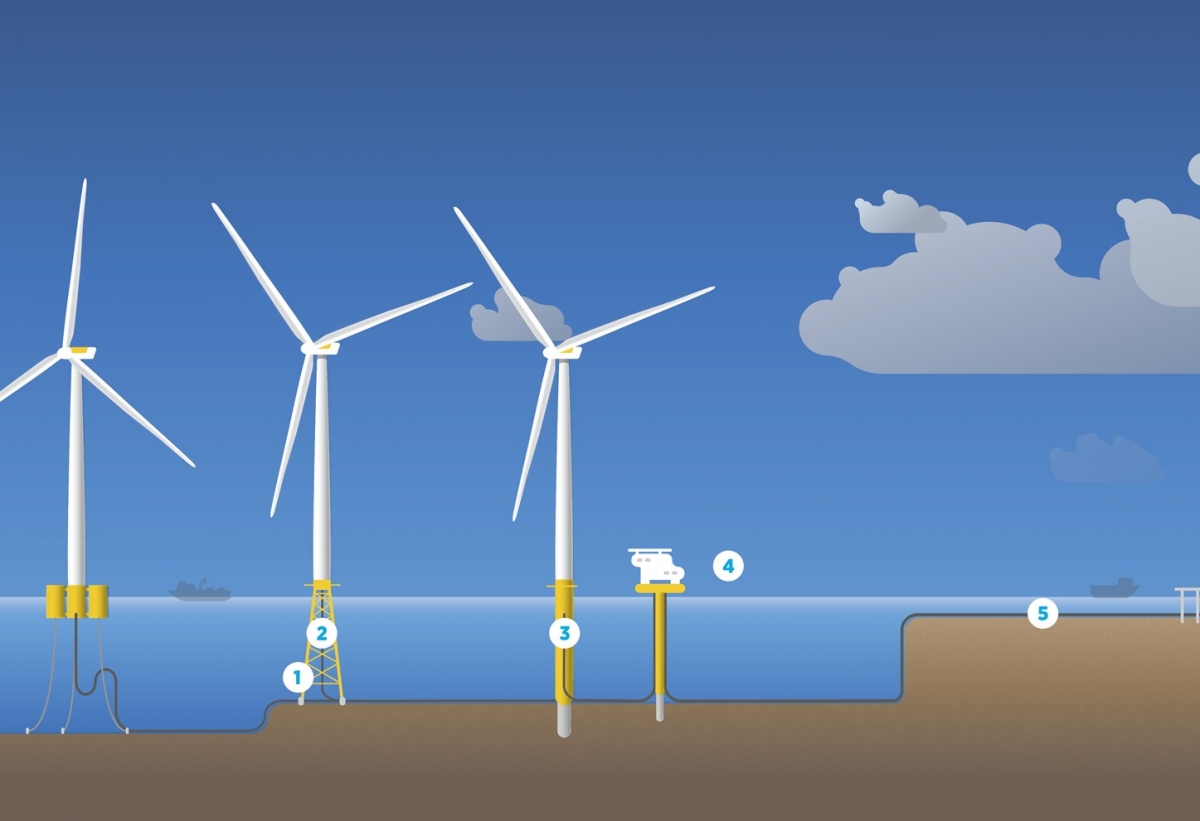
The implementation strategy emphasizes the development of both fixed-bottom and floating offshore wind technologies, with initial focus on areas with high wind potential and suitable water depths.
Implementation Challenges and Strategic Solutions
While Decree 272 provides a robust legal foundation, Vietnam faces several significant challenges in achieving its 6 GW offshore wind target. Addressing these challenges will require coordinated efforts from government agencies, investors, and technical experts.
Challenge 1: Comprehensive Resource Assessment and Site Selection
A thorough understanding of Vietnam's offshore wind resources is essential for successful project development. Current data on wind speeds, sea conditions, and environmental constraints remain limited in certain areas.
Strategic Solutions:
- Conduct comprehensive wind resource mapping using advanced technologies and international expertise
- Establish a national offshore wind atlas with publicly accessible data
- Implement environmental baseline studies in potential development areas
- Develop a strategic site selection process balancing resource potential with environmental and social considerations
Challenge 2: Investor Selection and Capacity Building
The success of Vietnam's offshore wind ambitions depends on attracting investors with technical expertise, financial capacity, and track record in similar projects.
Strategic Solutions:
- Establish transparent bidding processes for project development rights
- Prioritize investors with proven experience in offshore wind development
- Develop local workforce training programs to build technical capacity
- Create public-private partnerships to share risks and expertise
Challenge 3: Infrastructure Development
Offshore wind projects require substantial infrastructure, including substations, transmission lines, and port facilities. Vietnam's current infrastructure in many coastal regions is insufficient to support large-scale offshore wind development.
Strategic Solutions:
- Develop a national offshore grid infrastructure plan
- Upgrade existing ports to support construction and maintenance activities
- Invest in specialized vessels and equipment for offshore operations
- Establish industrial zones for manufacturing wind turbine components
Challenge 4: Policy Support and Financing Mechanisms
Despite the improved regulatory framework, offshore wind projects in Vietnam face significant financing challenges due to high upfront costs and perceived risks.
Strategic Solutions:
- Implement feed-in tariffs or competitive bidding mechanisms to ensure attractive returns
- Establish green financing mechanisms and climate funds
- Provide tax incentives and streamlined customs procedures for equipment imports
- Develop risk mitigation instruments to address political and regulatory risks
International Context: Vietnam's Position in Global Offshore Wind
Globally, offshore wind has emerged as a key technology in the transition to clean energy. As of 2025, global offshore wind capacity exceeded 100 GW, with Europe leading the deployment followed by China and the United States. Vietnam's 6 GW target by 2030 would position it among the top offshore wind markets in Asia.
Several countries have successfully developed their offshore wind sectors through strategic policy frameworks and supportive measures. Lessons can be drawn from these experiences:
| Country | Key Policy Approach | Lessons for Vietnam |
|---|---|---|
| Denmark | Long-term planning, technology innovation, community ownership | Focus on technology development and local manufacturing capabilities |
| United Kingdom | Competitive auctions, supply chain development, workforce training | Establish clear auction mechanisms and supply chain development strategies |
| China | State-led development, technology transfer, massive scale | Leverage state resources while encouraging private investment |
Economic and Environmental Benefits
The development of 6 GW of offshore wind capacity by 2030 would deliver substantial economic and environmental benefits to Vietnam:
- Economic Growth: The sector could attract $15-20 billion in investment, create 50,000-70,000 jobs during construction and operation, and generate significant revenue for local communities.
- Energy Security: Reducing dependence on imported fossil fuels and diversifying the energy mix would enhance Vietnam's energy security and reduce exposure to global price volatility.
- Climate Change Mitigation: Offshore wind power could reduce Vietnam's CO2 emissions by 15-20 million tons annually, contributing to the country's climate commitments under the Paris Agreement.
- Industrial Development: The sector could stimulate the development of local manufacturing capabilities, technical expertise, and service industries.
Future Outlook
Looking beyond 2030, Vietnam has the potential to significantly expand its offshore wind capacity. Updated scenarios in the Electricity Development Plan suggest a potential of 15-20 GW by 2040, including both fixed-bottom and floating technologies. This expansion would position Vietnam as a regional leader in offshore wind development and a significant contributor to global renewable energy deployment.
The successful implementation of Decree 272 will depend on several factors: the ability to attract quality investors, develop supporting infrastructure, build local technical capacity, and maintain policy stability. The government's commitment to regular review and adaptation of the regulatory framework will be crucial in addressing emerging challenges and opportunities.
Conclusion
The issuance of Decree 272 represents a landmark moment for Vietnam's offshore wind sector. By establishing a clear and comprehensive legal framework, the government has taken a significant step toward unlocking the country's vast offshore wind potential. The 6 GW target by 2030 is ambitious but achievable with coordinated efforts from all stakeholders.
As Vietnam transitions toward a more sustainable energy future, offshore wind power will play a crucial role in diversifying the energy mix, enhancing energy security, and addressing climate change. The lessons learned from implementing Decree 272 will not only benefit Vietnam but also provide valuable insights for other countries seeking to develop their offshore wind sectors.
The success of this initiative will depend on continued collaboration between government agencies, investors, technical experts, and local communities. With proper implementation, Vietnam has the potential to become a model for offshore wind development in Southeast Asia and contribute significantly to global efforts to combat climate change.