Hoa Binh Hydroelectric Power Plant: Intelligent Flood Management and Lessons for Large-Scale Hydropower Projects
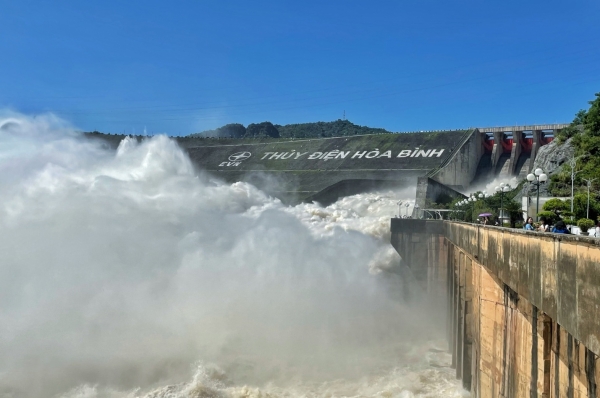
In recent days, thousands of residents and tourists have flocked to the Hoa Binh Hydroelectric Power Plant to witness the first flood discharge of 2026. The sight of the torrential white water flowing downstream, with towering white foam and thunderous sounds echoing throughout the river region, has created a majestic and emotionally charged spectacle.
Historical Background and Strategic Importance
The Hoa Binh Hydroelectric Power Plant commenced construction in 1979 and became operational in 1994. As one of Vietnam's largest hydroelectric projects, it plays a crucial role not only in supplying electricity to the nation but also in regulating the flow of the Hong River (Red River). The plant represents a significant achievement in Vietnam's infrastructure development and energy security strategy.
| Parameter | Specification |
|---|---|
| Year of Commencement | 1979 |
| Year of Completion | 1994 |
| Installed Capacity | 1,920 MW |
| Annual Electricity Production | 8,160 GWh |
| Reservoir Capacity | 9.05 billion m³ |
| Dam Height | 128 m |
| Spillway Capacity | 22,000 m³/s |
Flood Discharge: Critical Operational Decisions
Flood discharge represents one of the most challenging operational decisions for hydroelectric power plant managers, particularly during the flood season. Annually, at this time, water levels in the reservoir typically rise significantly, necessitating well-planned flood discharge operations to ensure safety for both the facility and downstream areas.
The Hoa Binh Hydroelectric Power Plant employs a sophisticated flood management system that integrates real-time meteorological data, hydrological monitoring, and advanced predictive modeling. This system enables operators to make informed decisions about when and how much water to discharge from the reservoir.
Technical Aspects of Flood Discharge Operations
The flood discharge process at Hoa Binh involves a carefully orchestrated operation that balances multiple objectives:
- Ensuring Downstream Safety: Controlling discharge rates to prevent flooding in populated areas along the Hong River
- Reservoir Management: Maintaining optimal water levels to prevent overtopping while maximizing storage capacity for future dry seasons
- Energy Production: Balancing flood control with electricity generation requirements
- Sediment Management: Managing sediment deposition that can affect long-term reservoir capacity
The plant's spillway system consists of multiple gates that can be precisely controlled to regulate water flow. During major flood events, the plant can discharge up to 22,000 cubic meters of water per second, a critical capacity for protecting downstream communities during extreme weather events.
Environmental and Social Considerations
The annual flood discharge operations at Hoa Binh represent a delicate balance between technical requirements and environmental considerations. While necessary for safety, these discharges can temporarily impact aquatic ecosystems and downstream water quality.
In recent years, the plant's management has implemented enhanced environmental mitigation measures:
- Gradual discharge rates to minimize ecological disruption
- Environmental flow maintenance to support downstream ecosystems
- Public notification systems to alert communities about discharge schedules
- Sediment management strategies to maintain long-term reservoir capacity
Technological Advancements in Flood Management
The Hoa Binh Hydroelectric Power Plant has undergone significant technological upgrades in recent years, incorporating advanced monitoring and control systems:
| Technology | Application | Benefits |
|---|---|---|
| Real-time Monitoring System | Water level, rainfall, and flow monitoring | Improved prediction accuracy and response time |
| Automated Gate Control | Remote operation of spillway gates | Precise discharge control and reduced response time |
| Predictive Analytics | Flood forecasting and modeling | Advanced warning for potential flood events |
| IoT Sensors | Structural health monitoring | Enhanced safety and maintenance scheduling |
Lessons for Large-Scale Hydropower Projects
The Hoa Binh Hydroelectric Power Plant offers valuable lessons for other large-scale hydropower projects, both in Vietnam and internationally:
- Integrated Water Resource Management: The importance of considering multiple uses of water resources, including hydropower, flood control, agriculture, and ecosystem preservation
- Community Engagement: The necessity of transparent communication with downstream communities about operations and potential impacts
- Climate Resilience: The need for infrastructure designed to increasingly extreme weather patterns due to climate change
- Sediment Management: Critical attention to long-term sedimentation issues that can affect reservoir capacity and downstream morphology
Future Developments and Renewable Energy Strategy
As Vietnam continues to develop its renewable energy portfolio, the Hoa Binh Hydroelectric Power Plant remains a cornerstone of the national energy strategy. The plant's operators are exploring several enhancement initiatives:
- Upgrading turbine efficiency to increase energy generation
- Implementing advanced sediment management techniques
- Enhancing flood prediction capabilities through AI and machine learning
- Developing eco-tourism initiatives around the reservoir area
The Hoa Binh Hydroelectric Power Plant stands not only as a source of national pride for local communities but also as a symbol of Vietnam's commitment to sustainable energy development. The annual flood discharge operations not only rejuvenate the river ecosystem but also provide opportunities for public education about nature conservation and energy resources.
These experiences offer not only thrilling spectacles but also valuable opportunities for citizens to better understand natural systems and energy infrastructure. The Hoa Binh Hydroelectric Power Plant will undoubtedly continue to be an attractive destination for those interested in exploring and understanding renewable energy for years to come.