Energy Transition in the Mekong Subregion and Vietnam's Energy Security Challenge
In the context of recent geopolitical fluctuations in the Middle East, coupled with disruptions to global supply chains, the economic and energy landscape of the Mekong subregion is undergoing profound transformations. These changes not only impact the prices of traditional energy sources such as crude oil and liquefied natural gas (LNG), but also present new challenges for energy security in the region's nations, particularly Vietnam.
Current Energy Landscape in the Mekong Subregion
The Mekong subregion encompasses countries with rapidly developing economies including Vietnam, Thailand, Cambodia, Laos, and Myanmar. Increasing energy demand has led to rising energy consumption, while traditional energy supply sources are becoming increasingly unstable. The following table summarizes the primary energy sources in the Mekong subregion:
| Country | Primary Energy Sources | Usage Percentage (%) |
|---|---|---|
| Vietnam | Crude oil, coal, renewable energy | 40, 30, 30 |
| Thailand | Natural gas, coal, renewable energy | 50, 35, 15 |
| Cambodia | Crude oil, hydropower | 60, 40 |
| Laos | Hydropower, renewable energy | 80, 20 |
| Myanmar | Natural gas, coal | 45, 55 |
The Mekong region's energy profile reveals a heavy dependence on fossil fuels, with varying degrees of renewable energy adoption across nations. Vietnam stands at a critical juncture, with a relatively balanced energy mix compared to its neighbors, yet still facing significant challenges in transitioning toward a more sustainable energy future.
Vietnam's Energy Security Challenges
Vietnam is currently facing a complex challenge in ensuring energy security. The country's dependence on fossil fuels, particularly crude oil and natural gas, is making it increasingly vulnerable to international market fluctuations. Additionally, the rising trend in fuel prices is creating substantial economic pressure on the nation.
Energy security concerns in Vietnam can be categorized into three main areas:
- Supply Vulnerability: Heavy reliance on imported energy sources diminishes Vietnam's energy independence and creates exposure to geopolitical tensions and supply disruptions.
- Green Energy Transition: Vietnam needs to accelerate renewable energy development to minimize impacts from price volatility and ensure long-term energy security.
- Infrastructure Investment: Significant investment in energy infrastructure is required to support new energy sources and improve grid reliability.
According to recent data, Vietnam's energy demand has been growing at approximately 8-10% annually, one of the highest growth rates in Asia. This rapid expansion has strained existing energy infrastructure and highlighted the urgency of developing a more diversified and sustainable energy portfolio.
Future Solutions and Strategies
To address the energy security challenge, Vietnam needs to implement several specific solutions:
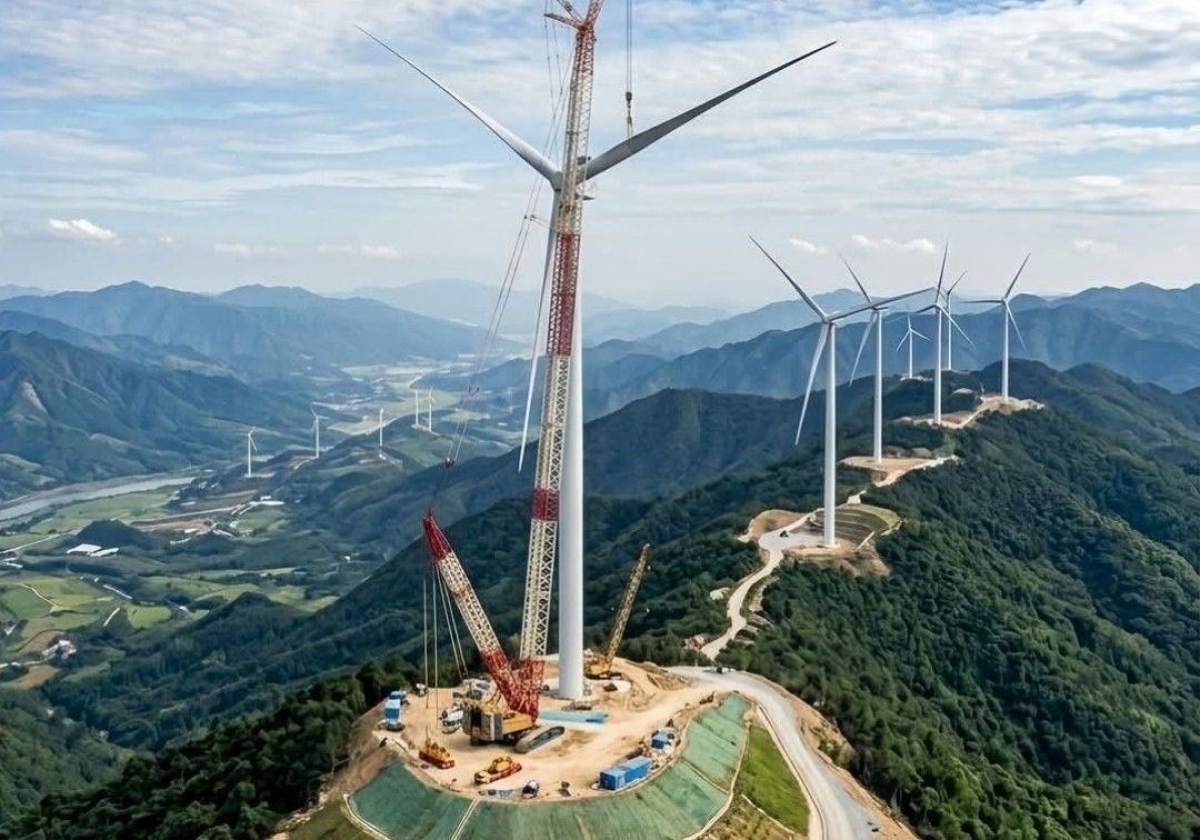
- Accelerate Renewable Energy Development: Encourage investment in solar, wind, and biomass energy to reduce dependence on fossil fuels. Vietnam has significant potential for solar and wind energy, particularly in its southern coastal regions and central highlands.
- Improve Energy Efficiency: Promote the use of modern technologies to enhance energy efficiency in production and consumption. Industrial sectors, which account for approximately 50% of total energy consumption, offer significant opportunities for efficiency improvements.
- Strengthen International Cooperation: Seek support from other nations and international organizations in developing sustainable energy solutions. Regional cooperation through ASEAN frameworks can facilitate knowledge sharing and joint development projects.
The Vietnamese government has already taken steps toward energy transition, including the Power Development Plan VIII (PDP8), which sets ambitious targets for renewable energy. By 2030, Vietnam aims to generate 30-35% of its electricity from renewable sources, with a particular focus on solar and wind power. Additionally, the country is exploring nuclear energy as a potential long-term solution to reduce carbon emissions and ensure energy security.
Regional Cooperation Opportunities
The energy transition in the Mekong subregion presents both challenges and opportunities that extend beyond Vietnam's borders. Regional cooperation can play a crucial role in addressing common energy challenges and developing sustainable solutions.
Key areas for regional cooperation include:
- Energy Infrastructure Integration: Developing cross-border energy transmission networks to optimize resource allocation and enhance energy security across the region.
- Technology Transfer: Sharing renewable energy technologies and best practices among Mekong countries to accelerate the adoption of clean energy solutions.
- Joint Research and Development: Collaborative research on climate-resilient energy systems and innovative storage technologies to address intermittency issues associated with renewable energy.
The Mekong River itself presents both challenges and opportunities for energy development. While hydropower has been a significant energy source for countries like Laos and Cambodia, it also raises environmental concerns and transboundary water management issues. A balanced approach that considers both energy needs and environmental sustainability is essential for the region's future.
Conclusion: Toward a Sustainable Energy Future
The challenges and opportunities in the energy transition within the Mekong subregion represent not only Vietnam's dilemma but a significant challenge for the entire region. Finding appropriate solutions will not only help ensure energy security but also promote sustainable development for future generations.
Vietnam's energy transition requires a comprehensive approach that combines domestic policy reforms, international cooperation, and technological innovation. By leveraging its natural resources, strategic location, and growing technical expertise, Vietnam can position itself as a leader in Southeast Asia's energy transformation.
As the global energy landscape continues to evolve, the Mekong subregion has an opportunity to leapfrog traditional development paths and embrace a sustainable energy future. This transition will not only enhance energy security but also contribute to climate change mitigation and sustainable economic growth across the region.