Chevron's Strategic Expansion in Iraq's Oil Sector
The American energy giant Chevron is making a significant strategic move to expand its influence in Iraq, preparing to sign two memoranda of agreement this Friday. These agreements would bring the multinational corporation closer to developing the massive West Qurna 2 oil field and the Nassiriya project, potentially becoming one of Chevron's largest upstream investments in recent years.
Strategic Context
While these agreements are non-binding, they advance negotiations toward the essential commercial terms for a final deal. Chevron's increased operations in Iraq come as the country seeks American investment to boost oil production, while Chevron simultaneously looks beyond the Strait of Hormuz—a move that has become increasingly crucial following the largest oil supply disruption in history.
West Qurna 2: A "Strategic" Oil Field
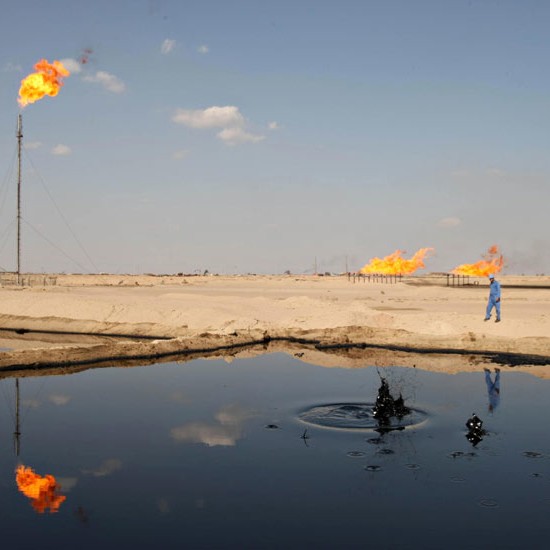
West Qurna 2 is no small project. This southern Iraqi oil field currently produces approximately 460,000 barrels of oil per day after Iraq nationalized the assets earlier this year, following US sanctions against Russia's Lukoil. Chevron entered exclusive negotiations for this oil field in February, and this Friday's agreement will advance negotiations on the necessary commercial terms for a final deal.
| West Qurna 2 Technical Specifications | Details |
|---|---|
| Current production | 460,000 barrels per day |
| Location | Southern Iraq |
| Ownership status | Nationalized by Iraq |
| Negotiation commencement | February of this year |
Nassiriya Project: Long-Term Development Potential
Nassiriya is currently smaller in scale but comes with significant exploration potential. Chevron and Iraq also signed a principles agreement last year, encompassing this oil field and four surrounding exploration blocks, providing the company with another potential long-term growth platform in one of the world's largest OPEC producers.
The simultaneous development of both projects demonstrates Chevron's diversified strategy in Iraq, combining current oil production with long-term exploration opportunities.
Chevron's Diversified Strategy in Iraq
- Focus on existing high-production oil fields
- Investment in long-term development projects
- Participation in strategic infrastructure projects
- Collaboration with the Iraqi government to ensure energy security
Export Pipeline Projects: A Strategic Solution
Oil fields aren't the only reason Chevron is discussing with Baghdad. The company is also collaborating with Iraq on technical studies for new export pipelines that would allow crude oil to reach the Mediterranean without passing through the Strait of Hormuz.
Chevron is part of a consortium that signed an agreement earlier this month to evaluate possible routes, including options that could connect Iraq's producing oil fields with Syria or other regional export routes.
Strategic Importance
The urgency is clear. Iraq exports most of its crude oil through the Persian Gulf. The Hormuz crisis forced the country to cut production after tankers couldn't leave the Gulf, highlighting one of Baghdad's greatest strategic vulnerabilities. Production capacity has little value if there's nowhere to send the barrels of oil.
| Comparison of Export Pipeline Routes | Advantages | Challenges |
|---|---|---|
| Mediterranean via Syria | Avoids Hormuz, reduced shipping costs | Political risks, aging infrastructure |
| Turkey | Existing infrastructure, stable politics | Higher costs, capacity limitations |
| Current Persian Gulf routes | Established, large capacity | Geopolitical risks, Hormuz dependency |
Government Support and Strategic Objectives
The United States has expressed support for rebuilding the long-dormant Kirkuk-Baniyas pipeline, which connects Iraq to Syria's Mediterranean coast, while other overland routes are still being studied. Washington wants American companies to participate, and Iraq wants an "insurance policy" against another Hormuz closure.
Chevron appears ready to assist both sides. The agreements are being signed while Iraqi Prime Minister Ali al-Zaidi visits Houston, following meetings with President Trump in Washington this week.
Global Implications
Chevron's moves in Iraq have implications not just for the company and Iraq, but for global energy security. Diversifying Middle Eastern oil export routes helps reduce dependence on narrow chokepoints like the Strait of Hormuz, which could be blockaded during conflicts.
For Chevron, this represents an opportunity to strengthen its position in one of the world's most resource-rich oil regions while playing a role in securing energy supplies for America's allies.
Conclusion
Chevron's upcoming agreements with Iraq mark a significant step in the long-term energy strategies of both parties. By developing existing oil fields, exploring new areas, and particularly by building alternative export routes, Chevron and Iraq are creating a strategic partnership that could reshape the regional and global oil and gas industry for decades to come.
Amid ongoing geopolitical tensions in the Middle East, diversifying oil export routes offers not just economic benefits but is a critical factor for global energy security. Chevron, with its extensive experience and substantial resources, is ideally positioned to lead this initiative.