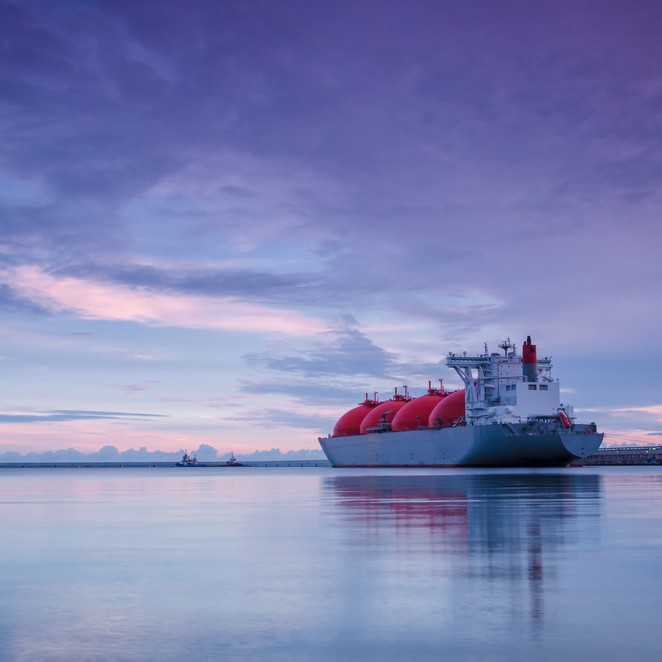
Asian LNG Prices Surge to Highest Level Since March Amid Middle East Supply Concerns
Asian LNG prices have experienced a significant surge, increasing by 10% in the past week to reach their highest level since March. This dramatic price escalation comes amid escalating tensions in the Middle East and near-complete disruption of shipping through the strategically vital Strait of Hormuz, raising serious concerns about supply to the world's largest LNG importing region.
On Thursday, Asian LNG spot prices reached $20.2 per million British thermal units (MMBTU), according to reports from traders at Bloomberg. This represents a substantial 10% increase from the previous week, as hostile activities in the Middle East intensify and the ceasefire agreement between the United States and Iran faces potential collapse.
Factors Behind the Price Surge
The near-complete closure of the Strait of Hormuz has significantly hampered the recovery of LNG shipments from Qatar. Qatar, the world's second-largest LNG exporter, had seen its shipments begin to recover by late June before this latest escalation abruptly ended the upward trajectory of Qatari LNG cargoes transiting through the strategic waterway.
The Strait of Hormuz serves as a critical maritime chokepoint, through which approximately 20-30% of global LNG is transported. The disruption at this vital route has sent shockwaves through the global energy market, creating significant supply concerns that are directly impacting pricing.
Global Market Impacts
The ripple effects of this supply disruption are being felt across global energy markets. European gas benchmark prices have also risen this week, following the renewed disruptions to LNG shipments emanating from the Middle East.
The renewed disruption to Qatari LNG exports could tighten global markets just as Europe struggles to secure sufficient supplies to refill its gas storage facilities ahead of the upcoming winter season. The European gas market remains particularly vulnerable to price volatility during the refill season, which could become significantly more challenging and expensive to complete before winter, especially as Asia currently attracts the majority of spot LNG cargoes due to the soaring Asian prices.
Intensifying Competition Between Asia and Europe
"There is increasing competition between Europe and Asia for spot LNG cargoes. Recent heatwaves in some regions of Europe and Asia have only added to the concerns," wrote ING commodity strategists Warren Patterson and Ewa Manthey in a Thursday morning report.
"EU gas storage is currently at 53% compared to the five-year average of 68%, and remains far from the EU's minimum target of 75% before the heating season begins."
Pre-Winter Market Dynamics
Asia's current dominance in attracting spot LNG supplies could complicate Europe's efforts to achieve its gas storage filling targets. The following table compares the current EU gas storage situation:
| Indicator | Current Level | Target |
|---|---|---|
| Gas Storage Fill Level | 53% | 75% |
| Five-Year Average | 68% | - |
Furthermore, heatwaves across Europe and Asia have increased energy demand for air conditioning, exacerbating supply shortages and driving prices higher. This simultaneous demand surge in both major consuming regions has created an unprecedented competitive dynamic for available LNG supplies.
Long-Term Implications
The LNG price surge could have lasting impacts on energy-importing nations. Asian countries, already facing high energy costs, may face significant financial pressures during the upcoming winter season.
In Europe, the growing dependence on imported LNG could accelerate efforts to increase renewable energy deployment and diversify energy sources to mitigate geopolitical risks in the future. The current situation highlights the vulnerabilities of过度依赖单一能源供应路线, particularly those passing through politically sensitive regions.
"We are monitoring the situation in the Strait of Hormuz very closely. Any prolonged disruption would have significant implications for the global energy supply chain and pricing," said the CEO of an Asian energy company.
Expert Analysis and Future Outlook
Market analysts predict that LNG prices could continue to experience significant volatility in the coming months as geopolitical developments in the Middle East unfold and global energy demand remains elevated.
"The global energy market is in an extremely sensitive phase. Any developments in the Middle East could create ripple effects throughout the entire global energy system," commented an energy director at an international investment fund.
As the situation evolves, market participants will be closely watching diplomatic developments in the Middle East, shipping patterns through the Strait of Hormuz, and the race between European and Asian buyers for limited LNG supplies. The outcome of these dynamics will likely shape energy prices and security for the remainder of 2023 and potentially beyond.
For now, the immediate concern remains the approaching winter season in the Northern Hemisphere, during which adequate energy supplies will be critical for maintaining economic stability and meeting heating demands across both Asian and European markets.