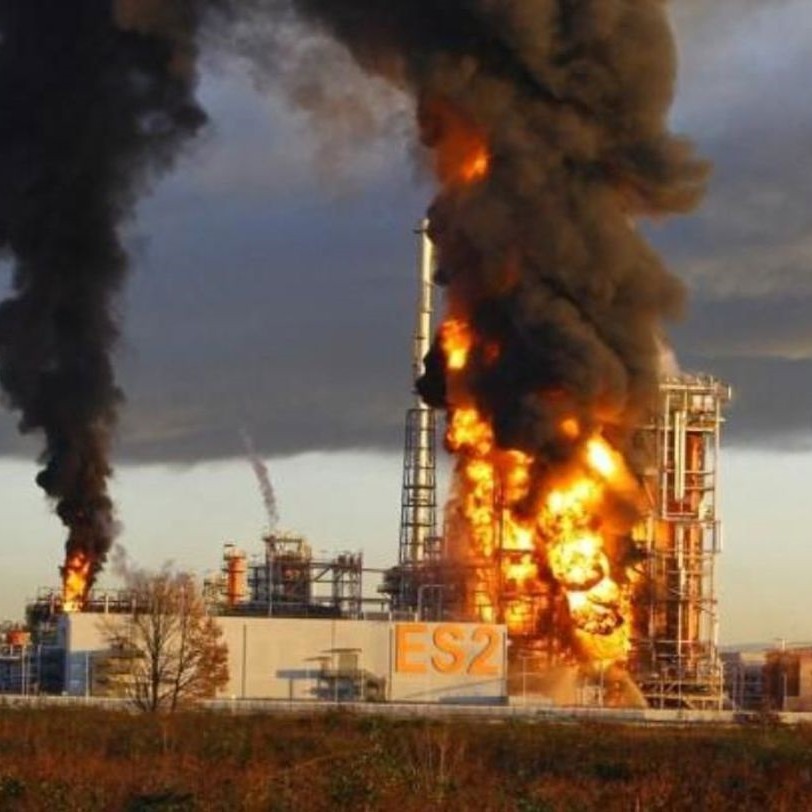
Ukraine's Systematic Attacks on Russian Refineries Push Oil Processing to 21-Year Low, Fuel Global Supply Disruptions
Since March, Ukraine has conducted systematic attacks on Russia's oil refining infrastructure, forcing Moscow to implement export bans on gasoline, jet fuel, and diesel. These coordinated strikes have pushed Russian crude oil processing to its lowest level in 21 years, causing severe fuel supply tightening worldwide and reshaping global energy markets.
Unprecedented Damage to Russia's Energy Sector
According to data from Energy Aspects cited by Bloomberg, Russian refineries processed an average of 3.91 million barrels of crude oil per day in early July 2026. This represents a decrease of 1.4 million barrels compared to the previous year's average and marks the lowest national processing rate since March 2005.
Over the past 100 days, Ukraine has targeted at least 24 of Russia's 34 major refineries. The attack on the Omsk refinery on July 6 eliminated what analysts describe as the "last geographic refuge" in Russia's refining system, leaving the nation's fuel production capabilities critically compromised.
| Time Period | Crude Oil Processing (million barrels/day) | Year-over-Year Change |
|---|---|---|
| Early July 2026 | 3.91 | -1.4 million barrels |
| 2025 average | 5.31 | - |
| Previous lowest | ~4.0 | March 2005 |
Targeting Critical Refining Centers
The Omsk refinery, located over 2,000 kilometers from the front lines, represents Russia's largest refining facility, processing approximately 22 million tons of crude oil in 2024 alone. Recent attacks have damaged two key units: ELOU-AVT-11 (capable of processing 8.4 million tons of crude oil and 1.2 million tons of condensate annually) and AVT-10.
Ukraine has implemented a systematic "kill" campaign targeting Russia's refineries facility by facility:
- Saratov: Shut down following an attack in March
- Kirishi: One of Europe's largest Russian refineries, lost capacity after attacks in March and May
- Norsi in Kstovo: Targeted multiple times, including reported damage to primary processing units
- Moscow Refinery: Attacked multiple times in June and expected to remain offline through year-end
- Syzran, Novokuybyshevsk, Volgograd, Ryazan, Taneco, Ilsky, Afipsky, and Bashneft group refineries have all been targeted
On the night of July 14, Ukrainian drones attacked the Afipsky refinery in Russia's Krasnodar region, one of the nation's key Black Sea refining centers, while also targeting Gazprom Neftekhim Salavat in Bashkortostan, one of Russia's largest integrated refining and petrochemical complexes.
Ukraine's "Kill" Strategy
The repeated attacks have created a situation where repairs have become an unwinnable battle. According to documents reviewed by Meduza, Ukraine has returned to the Moscow, Norsi, and Syzran refineries after initial strikes, attacking the same facility before operators could fully restore production volumes.
Under normal conditions, a planned refinery turnaround can take weeks or months. In the context of wartime, repairs become more complex when primary crude processing units are damaged—the very equipment that allows refineries to accept and separate crude oil into usable feedstocks.
Economic Damage and Moscow's Response
Russia has ceased publishing most refinery data as attacks escalated. Fuel trading on the St. Petersburg International Mercantile Exchange (SPIMEX) provides a clearer measure of the supply deficit.
| Month | Average sales (tons/day) | Comparison with June 2025 | Average price |
|---|---|---|---|
| January-March 2026 | 118,000-150,000 | - | - |
| April 2026 | 104,000 | - | - |
| May 2026 | 106,000 | - | - |
| June 2026 | 80,300 | -38% | +37% |
Russia's gasoline production fell to approximately 90,000 tons per day in June, at least 110,000 tons per day below summer demand. Some estimates suggest current output meets only 65% of seasonal demand.
Diesel has provided the only buffer in this situation. Russia produced 81.6 million tons of diesel in 2024 compared to domestic demand of approximately 51 million tons. The excess exports made Russia one of the world's largest diesel suppliers and allowed Moscow to protect domestic consumers without abandoning foreign buyers.
Moscow's Export Bans and Shift to Imports
Initially, Russia banned gasoline exports in April due to minimal domestic surplus. This was followed by a jet fuel export ban on June 1, as demand tightened, and then a diesel export ban on July 8. The current diesel ban includes oil companies that refine their own crude, removing previous exemptions that allowed major producers to continue selling abroad.
Russia has begun importing finished fuel from countries that purchase its crude oil. At least 60,000 tons of gasoline have reportedly arrived from India. Additionally, gasoline shipments from Belarus reached 141,000 tons in the first 25 days of June, 2.4 times the import volume for all of May. Reuters also reported that Russia is seeking to import approximately 400,000 tons of gasoline monthly from foreign suppliers.
Spreading Fuel Restrictions
Meanwhile, fuel restrictions have spread across most regions of Russia. In Chita, drivers were reported waiting up to 39 hours at gas stations. Gas stations have closed or implemented rationing in Krasnodar, Irkutsk, Pskov, and other regions, according to Meduza. Some stations reserve fuel for government vehicles and emergency vehicles. Teachers in Krasnodar have been scheduled to work shifts at gas stations to manage queues.
Moscow has also changed the rules governing Russia's wholesale fuel market. Starting July 1, major refineries must sell only 10% of their gasoline through SPIMEX, down from the previous 15% requirement. The exchange serves as the primary wholesale market for independent fuel retailers without their own refineries and supply networks. By reducing the mandatory trading quota, the government allows vertically integrated producers like Rosneft, Gazprom Neft, and Lukoil to redirect more gasoline to their own retail networks, leaving independent competitors with less trading volume at higher prices.
Global Impact
Russia's withdrawal from the diesel market has tightened an already constrained market due to Middle Eastern conflicts. European diesel refining margins rose above $60/barrel after Moscow imposed export bans, reaching record levels. U.S. diesel futures posted their largest increase in four years.
Countries such as Turkey, Brazil, North Africa, and Central Asia have had to replace Russian barrels with product from the U.S., India, and the Middle East. These buyers now compete with nations that have replaced delayed Gulf products.
Central Asia has lost significant access. Russian jet fuel deliveries to Central Asia and Afghanistan decreased by more than 92% between May and June. Gasoline deliveries fell by 34%. Neighboring markets of Russia that once viewed its refineries as their default suppliers now depend on government-issued exemptions for fuel distribution.
Russia could respond by increasing crude oil exports that domestic refineries cannot process. However, the likelihood of Russia regaining its position as one of the world's most reliable diesel suppliers is highly uncertain. Export customers have already begun adapting to a world where Russian fuel is no longer reliable.
Ukraine's attacks on Russia's refining system have not only caused severe economic damage to Moscow but have also created significant disruptions in the global fuel market, driving prices higher and forcing nations to seek alternative supply sources.