Technology and Oil Markets: When Geopolitical Tension Becomes "Noise" for Smart Monitoring Systems
Despite escalating tensions between the United States and Iran with new military attacks, the oil market appears to have become "immune" to geopolitical fluctuations. This surprising calm is no coincidence but rather the result of remarkable advancements in oil market monitoring and forecasting technology.
Real-Time Monitoring Technology: Transforming How Markets Respond to Risk
While Brent crude oil prices only slightly decreased to around $84.65 per barrel on Wednesday afternoon, despite new U.S. attacks on military targets along Iran's southern coast, this demonstrates the significant advancement in market monitoring technology.
Modern systems can analyze real-time data, enabling traders to quickly determine whether there are actual disruptions in supply. This technology helps distinguish between military actions that genuinely disrupt supply and those that are merely symbolic.
Smart Maritime Security Monitoring Systems
The United States has confirmed attacks targeting Iran's coastal defense systems, cruise missile storage facilities, launch positions, and military facilities near Bandar Abbas, Bushehr, Qeshm, Greater Tunb Island, and other locations overlooking the Gulf. Advanced monitoring technologies allow precise tracking of these military activities and assessment of their actual impact on maritime transport.
Iran's response is not limited to missiles. Tehran threatens to expand its campaign against global energy exports beyond the Strait of Hormuz, warning that maritime routes serving the U.S. and allies could become targets. Iranian officials increasingly point to the chokepoint at Bab el-Mandeb, where previous Houthi attacks forced commercial vessels to reroute around Africa and pushed shipping costs soaring.
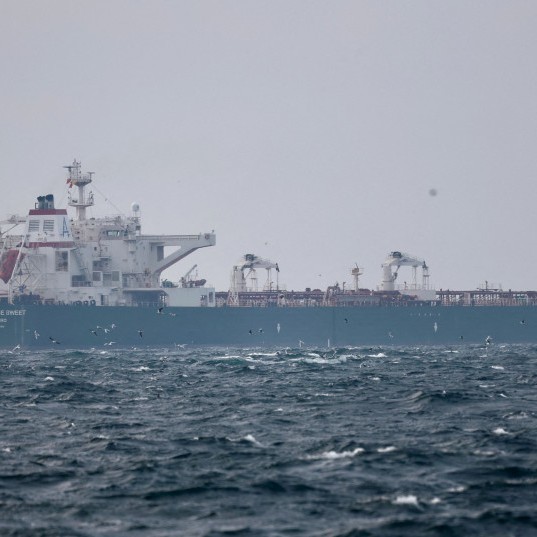
Positioning and Oil Tanker Tracking Technology
Shipping companies have begun adjusting. According to Reuters, many shipping companies have refused to participate in transits through the Strait of Hormuz under U.S. escort following recent attacks on commercial vessels. These escort convoys have helped transport tens of millions of barrels of oil out of the Gulf since a ceasefire in June reopened the waterway.
Advanced positioning and tracking technologies allow shipping companies to assess risks more accurately and make data-driven decisions rather than emotional ones. Automatic Identification System (AIS) and satellite maritime surveillance provide a comprehensive view of shipping activities, while AI algorithms can forecast the safest and most efficient routes.
| Technology | Application in Oil Market | Impact on Oil Prices |
|---|---|---|
| Satellite monitoring | Tracking shipping activities and infrastructure | Reduces price volatility through accurate forecasting |
| AI and Big Data | Demand and supply forecasting | Market price optimization |
| Blockchain | Transactions and supply chain tracking | Increased transparency and reduced fraud |
Oil Price Forecasting and Risk Analysis Technology
Oil traders are now balancing two markets simultaneously: ongoing military escalation, but physical oil exports have not yet faced the scale of collapse seen this year. Modern oil price forecasting technology can analyze thousands of variables to determine whether oil barrels are actually beginning to disappear from the physical market.
Washington added another layer of pressure on Wednesday by sanctioning seven individuals and entities accused of helping the Islamic Revolutionary Guard Corps purchase weapons. The measures targeted companies and individuals in Iran, Russia, and Nigeria that U.S. officials say supported the procurement network.
Cybersecurity Technology in Energy Infrastructure Protection
Against the backdrop of increasing geopolitical tensions, energy companies are heavily investing in cybersecurity technology to protect critical infrastructure. Advanced network monitoring systems can detect and respond quickly to potential threats, ensuring uninterrupted operations.
Blockchain technology is also being applied in energy transactions, creating a transparent and immutable system to track the origin and transportation of oil, helping to minimize fraud risks and ensure secure supply chains.
The Future of Oil Markets in the Technological Era
The oil market's calmness amidst escalating geopolitical tensions demonstrates that technology has changed how we monitor and respond to risk. Smart monitoring systems, accurate forecasting, and data-driven risk management are helping markets become more stable, even in the face of geopolitical instability.
However, as technology continues to evolve, new threats emerge. Cyberattacks on energy infrastructure, information manipulation on social media, and new forms of warfare will continue to challenge the market's adaptability. Therefore, investment in monitoring, security, and forecasting technology will become increasingly important for global energy market participants.
As Julianne Geiger from Oilprice.com pointed out, until oil barrels actually begin disappearing from the physical market, oil prices seem more concerned with actual supply losses than a new round of military headlines. This is clear evidence that technology has changed how markets respond to geopolitical risks.
Hashtags: #OilMarketTechnology #SmartMonitoring #GeopoliticalTensions #MaritimeSecurity #AIinEnergy #BlockchainOilGas