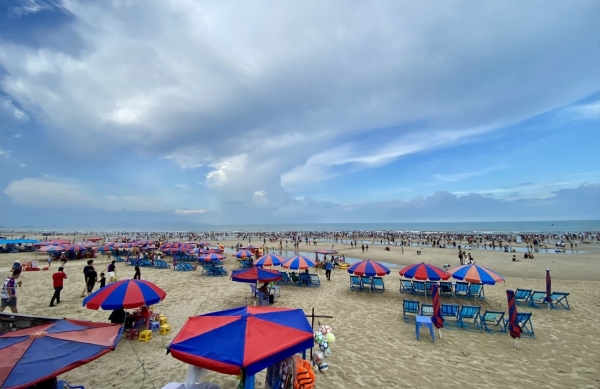
Ho Chi Minh City's Tourism Sector Achieves Impressive Revenue of Nearly 214,000 Billion VND in First Half of 2026
In the context of ongoing volatility in the global tourism market, Ho Chi Minh City's tourism sector has maintained positive growth momentum during the first half of 2026. Particularly, the expansion of development space following administrative boundary adjustments has created additional opportunities for the city to develop new tourism products and enhance the competitiveness of its destination.
Impressive Growth Amidst Global Challenges
According to the latest report from the Ho Chi Minh City Department of Tourism, the city's total tourism revenue in the first half of 2026 reached nearly 214,000 billion VND, representing a growth of approximately 15% compared to the same period in 2025. This figure demonstrates the tourism sector's resilience and sustainable development capacity, even as the global market continues to face numerous challenges.
The total number of tourists visiting Ho Chi Minh City over the past six months reached approximately 12.5 million, including about 3.2 million international tourists. The international tourist segment showed particularly strong growth, increasing by about 25% compared to the same period last year, indicating the city's growing appeal to foreign visitors.
Administrative Boundary Adjustment Creates Breakthrough Opportunities
The administrative boundary adjustment of Ho Chi Minh City at the beginning of 2026 has opened up new development space for the tourism sector. The city has incorporated additional suburban districts, creating conditions to develop diverse tourism products, particularly eco-tourism, agricultural tourism, and community-based tourism.
"The administrative boundary adjustment not only helps Ho Chi Minh City expand its area but also creates opportunities for us to develop new tourism products, diversifying experiences for tourists," said Mr. Nguyen Van Dung, Director of the Ho Chi Minh City Department of Tourism.
Development of New Tourism Products
Leveraging the new space following the merger, Ho Chi Minh City has focused on developing distinctive tourism products:
- Developing eco-tourism tours in newly incorporated nature conservation areas
- Building agricultural experience tourism sites in suburban areas
- Developing community-based tourism, enabling local communities to participate in tourism activities
- Creating tours connecting Ho Chi Minh City with neighboring provinces, forming regional tourism routes
Infrastructure and Service Quality Enhancement
To meet the increasing demands of tourists, Ho Chi Minh City has invested in upgrading its tourism infrastructure. Many high-end hotel and resort projects have been completed and put into operation, while existing accommodation facilities have also improved their service quality.
Additionally, the city has focused on developing technology applications in tourism management and promotion, helping tourists easily access information and book services online.
Challenges and Development Directions
Despite achieving impressive results, Ho Chi Minh City's tourism sector still faces numerous challenges, including:
- Pressure from climate change affecting coastal tourism sites
- Increasingly fierce competition from regional destinations
- The need to improve the quality of tourism human resources
- The need to diversify tourism products to reduce dependence on a few key types
To maintain its growth momentum, Ho Chi Minh City aims to achieve tourism revenue of approximately 450,000 billion VND by the end of 2026, attracting about 25 million tourists, including approximately 7 million international visitors.
Overview of Ho Chi Minh City Tourism Indicators for First Half of 2026
| Indicator | 1H/2026 | 1H/2025 | Growth |
|---|---|---|---|
| Revenue (billion VND) | 214,000 | 186,000 | 15% |
| Tourist Arrivals (million) | 12.5 | 10.8 | 15.7% |
| International Tourists (million) | 3.2 | 2.5 | 28% |
| Accommodation Establishments | 2,850 | 2,720 | 4.8% |
Conclusion
The impressive growth of Ho Chi Minh City's tourism sector in the first half of 2026 demonstrates the potential and vitality of this smokeless industry. With expanded development space following administrative boundary adjustments, the city is creating new opportunities to develop diverse and attractive tourism products. However, to maintain sustainable development, Ho Chi Minh City needs to continue investing in infrastructure, improving service quality, and diversifying tourism products.