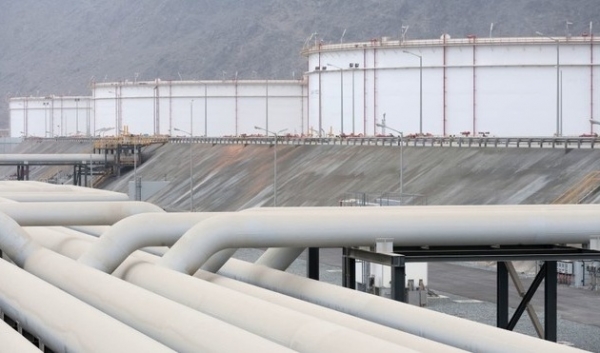
Israel Proposes Strategic Oil Pipeline Connecting Gulf Region with Europe
A groundbreaking proposal from Israel promises to reshape global energy transportation dynamics. Israel's Energy Minister has announced plans to construct a strategic oil pipeline linking the Gulf region with Europe, traversing Israeli territory. This initiative holds not only economic significance but also profound geopolitical implications, particularly amid escalating regional tensions.
Technical Details of the Proposed Oil Pipeline
According to Israel's Energy Minister, the proposed pipeline would enable Gulf countries to export oil directly to Europe without passing through the Strait of Hormuz - one of the world's busiest maritime chokepoints. The pipeline would commence from oil ports in the Gulf region, traverse Israeli territory, and connect with existing pipeline systems leading to the Mediterranean Sea and subsequently to Europe.
Expected Technical Specifications:
- Pipeline diameter: Approximately 1-1.2 meters
- Expected length: Approximately 1,500-2,000 km
- Transport capacity: 2-3 million barrels of oil per day
- Estimated cost: $5-10 billion USD
Geopolitical and Economic Context
The Strait of Hormuz currently serves as a critical energy corridor, where approximately 30% of globally traded oil passes through. However, this route frequently faces security risks and potential disruptions due to political tensions, particularly between Iran and Western nations.
The Red Sea is also emerging as an increasingly risky region due to conflicts and piracy activities. The construction of an oil pipeline through Israel would help Gulf countries reduce their dependence on these maritime routes.
| Comparison of Oil Transportation Routes from the Gulf Region | |
|---|---|
| Current Route (via Strait of Hormuz) | Proposed Route (via Israel) |
| Passes through Strait of Hormuz | Avoids Strait of Hormuz |
| Depends on maritime transport | Uses land-based pipelines |
| Vulnerable to conflict disruptions | Reduced security risks |
| Longer transportation time | Faster transportation |
Potential Benefits
For Gulf Countries:
- Reduced dependence on the Strait of Hormuz
- Avoidance of disruption risks from Red Sea conflicts
- Enhanced energy security
- Expanded market access for oil exports to Europe
For Israel:
- Strengthened position as a regional energy hub
- Attraction of foreign investment
- Revenue generation from transit fees
- Improved diplomatic relations with Gulf nations
For Europe:
- Diversification of oil supply sources
- Reduced dependence on Russia and the Middle East
- Enhanced energy security
Challenges and Barriers
While this proposal offers numerous benefits, it also faces significant challenges:
- Massive investment costs: Building a large-scale pipeline requires billions of dollars in capital investment.
- Complex political agreements: Requires consensus between Israel and Gulf nations, which have not always had favorable relations.
- Technical challenges: Pipeline construction across diverse terrains and multiple countries.
- Reactions from other nations: Countries currently controlling oil transportation routes may react negatively.
- Implementation timeline: The project could take many years to complete from planning to operation.
Reactions from Stakeholders
Gulf Nations: Several countries like Saudi Arabia and the United Arab Emirates (UAE) have expressed interest in the proposal. However, these nations are carefully examining security and political aspects before making final decisions.
Iran: Tehran may react negatively to the proposal, as it diminishes Iran's strategic importance in controlling the Strait of Hormuz.
United States: Washington supports initiatives that enhance energy security and reduce dependence on vulnerable transit routes.
Europe: European nations, particularly those seeking to reduce dependence on Russian energy, may view this proposal favorably.
Future Prospects
If implemented, this oil pipeline would create a new energy axis connecting Asia, the Middle East, and Europe. The project could pave the way for other energy cooperation initiatives in the region and contribute to stabilizing the global oil market.
However, the project's prospects depend on multiple factors, including regional political stability, funding capabilities, and consensus among stakeholders.
Conclusion
The proposal to build an oil pipeline connecting the Gulf region with Europe via Israel represents a landmark development in the global energy sector. Despite numerous challenges, if successful, this project would significantly alter oil transportation flows and contribute to enhancing energy security for multiple nations.
In the context of escalating geopolitical tensions and the need to diversify energy sources, this proposal demonstrates Israel's efforts to establish itself as a strategic energy center in the region and globally.
Monitoring the development of this proposal will be crucial for energy analysts, policymakers, and oil companies worldwide.
#Israel #OilPipeline #EnergyTransportation #GulfRegion #Europe #EnergySecurity