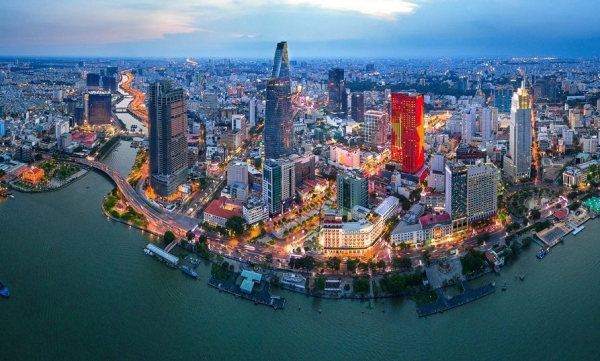
Ho Chi Minh City Proposes Special Mechanisms for Energy Development
In the context of promoting economic growth, Ho Chi Minh City (HCMC) is proposing numerous special mechanisms to address bottlenecks in energy development, ensuring a stable energy supply for the city's future growth. This strategic initiative aims to transform the city's energy landscape while supporting its position as Vietnam's economic powerhouse.
Background of the Proposal
In its recent report to the Government regarding economic growth targets for 2026 and solutions for the second half of the year, the HCMC People's Committee has presented several important proposals related to the energy sector. This represents a strategic move to address the challenges of energy supply for one of the country's largest economic centers. The timing of this proposal coincides with Vietnam's ambitious goals for carbon neutrality by 2050, making energy transition a national priority.
The city's leadership recognizes that sustainable energy development is not just an environmental imperative but an economic necessity. With industrial zones expanding and population growth continuing, the energy demands on HCMC's infrastructure are reaching critical levels. Without intervention, these demands could potentially hinder the city's economic development and quality of life for its residents.
Special Mechanisms Being Proposed
The HCMC People's Committee has requested the Government to consider and issue a series of special mechanisms to promote energy development within the city. These proposals represent a comprehensive approach to energy governance and development:
- Allowing HCMC to independently mobilize investment resources for energy development
- Considering special pricing mechanisms for renewable energy projects in the city
- Permitting the establishment of green energy development funds
- Prioritizing the allocation of central budget resources for energy projects in HCMC
- Developing flexible public-private partnership (PPP) mechanisms in the energy sector
- Granting the city authority to issue green bonds for energy infrastructure projects
- Establishing a dedicated energy regulatory body for HCMC with enhanced decision-making powers
Justification for Special Mechanisms
According to the HCMC People's Committee, the city's energy demand is rapidly increasing due to urbanization and strong economic development. However, the current energy system reveals numerous limitations that require immediate attention:
| Challenge | Impact Level | Description |
|---|---|---|
| Outdated electrical grid system | High | Many distribution lines and transformers exceed their operational lifespan, causing frequent power outages and voltage instability |
| Dependence on external supply sources | Very High | Over 70% of electricity is supplied from other provinces and imported coal, gas, and oil |
| Limited renewable energy integration | Moderate | Renewable energy accounts for less than 5% of total energy consumption |
| High energy costs | High | Industrial electricity tariffs in HCMC are among the highest in the region, affecting competitiveness |
Current Energy Development Status in HCMC
As Vietnam's largest economic center, HCMC has a population of nearly 10 million people and rapid urbanization. The city's energy demand accounts for a significant portion of the country's total energy consumption. However, the current energy system faces several critical challenges:
- The electrical grid system in many areas has deteriorated and cannot meet the growing demand, particularly during peak hours
- Heavy reliance on energy supplies from other provinces and imported fossil fuels creates vulnerability to supply chain disruptions
- The proportion of renewable energy remains low, making little contribution to the total energy supply
- High energy costs negatively impact business competitiveness and the cost of living
- Lack of comprehensive energy planning has led to inefficient energy use and waste
- Insufficient investment in energy infrastructure has resulted in bottlenecks in economic development
These challenges have become increasingly apparent as the city continues to grow. The industrial sector, which contributes significantly to the city's GDP, is particularly affected by energy reliability and cost issues. Meanwhile, the residential sector faces challenges with access to affordable and clean energy solutions.
Expected Impact of the Proposed Mechanisms
The implementation of these special energy mechanisms is expected to bring numerous positive impacts to HCMC's development:
| Impact Area | Expected Magnitude | Timeline |
|---|---|---|
| Stable energy supply | Very High | Short-term (1-3 years) |
| Reduced energy costs | High | Medium-term (2-5 years) |
| Increased renewable energy share | Moderate to High | Long-term (5-10 years) |
| Enhanced economic competitiveness | Very High | Medium-term (3-7 years) |
| Improved environmental sustainability | High | Long-term (10+ years) |
Comparison with Other Localities
Compared to other major Vietnamese cities like Hanoi and Da Nang, HCMC has higher energy demands but more limited domestic energy resources. While Hanoi benefits from hydropower advantages and Da Nang has significant solar energy potential, HCMC primarily depends on external energy sources. This unique challenge makes the implementation of special mechanisms particularly crucial for HCMC's sustainable development.
Other cities have also implemented various energy initiatives, but HCMC's scale and economic significance amplify the importance of its energy transition. The proposed special mechanisms would allow HCMC to address its specific energy challenges while serving as a model for other urban centers in Vietnam and the region.
Expert Opinions
According to energy experts, HCMC's proposal for special mechanisms is both necessary and aligned with global green energy trends. Mr. Nguyen Van Minh, an energy expert at the Energy Research Institute, commented:
"HCMC is the growth engine of the entire country, so ensuring a stable, quality, and reasonably priced energy supply is a vital factor. These special mechanisms will help the city become more proactive in developing a sustainable energy system that supports both economic growth and environmental protection."
Dr. Tran Thi Thanh, an energy policy analyst at the National University of Ho Chi Minh City, added: "The proposed mechanisms reflect a comprehensive understanding of HCMC's energy challenges. The focus on renewable energy and public-private partnerships could position the city as a leader in Vietnam's energy transition."
Renewable Energy Development Prospects
In addition to the special mechanisms, HCMC is concentrating on renewable energy development. The city has significant potential for solar energy and biomass energy from waste. Solar rooftop projects are being encouraged in industrial parks and residential areas. Particularly, converting waste into energy at major landfills such as Phuoc Hiep and Tan Hiep is being viewed as an effective direction.
The city is also exploring offshore wind potential in the nearby coastal areas and developing smart grid technologies to better integrate renewable energy sources. These initiatives, combined with the proposed special mechanisms, could significantly transform HCMC's energy landscape in the coming decade.
Conclusion
HCMC's proposal for special energy mechanisms represents a crucial step in addressing the challenges of energy supply for the city's socio-economic development. If approved and effectively implemented by the Government, these mechanisms will significantly contribute to ensuring a stable energy supply, reducing costs, and promoting green energy development in HCMC, thereby creating a solid foundation for sustainable economic growth in the future.
The success of this initiative could position HCMC as a model for sustainable urban development in Vietnam and Southeast Asia, demonstrating how large metropolitan areas can balance economic growth with environmental responsibility through innovative energy policies and infrastructure development.
#Energy #HoChiMinhCity #SpecialMechanisms #Economy #RenewableEnergy