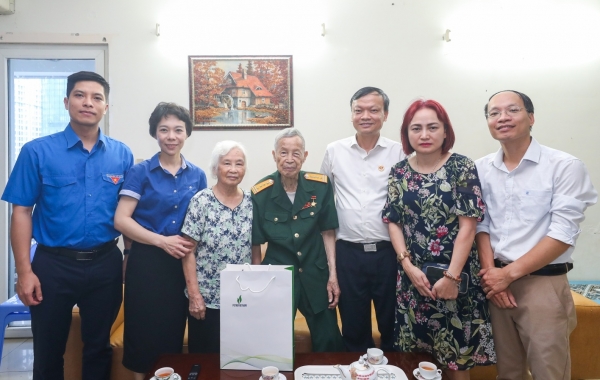
Farewell to the Hero Who Chopped Off His Arm to Destroy an Enemy Outpost
In a solemn moment that has touched the hearts of many across Vietnam, we bid farewell to La Van Cau, a Hero of the People's Armed Forces whose extraordinary act of courage during the war continues to inspire generations. The news of his passing has brought forth an outpouring of tributes from all corners of the nation, as people remember the man whose bravery became a symbol of unwavering determination in the face of seemingly insurmountable odds.
Just last year, I had the distinct honor of being part of a delegation from Vietnam National Energy Group that visited the humble home of this national hero in Hanoi. The memories of that encounter flooded back with renewed clarity upon learning of his departure. In that meeting, we witnessed not just a war hero, but a man whose humility and quiet strength belied the extraordinary circumstances he had endured.
Early Life and Military Career
Born into a farming family in Thai Binh province, La Van Cau's journey to becoming one of Vietnam's most celebrated war heroes began in the rural heartlands of northern Vietnam. His early life was shaped by the hardships of agricultural work and the growing national consciousness against foreign domination.
When the call to defend the nation came during the American War, young La Van Cau answered without hesitation. His military career was marked by exceptional bravery and tactical acumen, distinguishing him among his peers. Over the course of his service, he participated in numerous significant battles, each time demonstrating remarkable courage and dedication to the cause of national independence.
| La Van Cau: Military Service Highlights | |
|---|---|
| Birth | Thai Binh province, Vietnam |
| Military Service | During the American War period |
| Notable Achievements | Multiple distinguished acts of bravery in combat |
| Award | Hero of the People's Armed Forces |
The Heroic Act: Chopping Off His Arm
Among the countless stories of heroism from Vietnam's struggle for independence, La Van Cau's act of self-sacrifice stands as one of the most extraordinary. During a particularly fierce battle, he found himself trapped in an enemy outpost with no apparent means of escape. With enemy forces closing in and capture certain, which would likely have led to torture and death, La Van Cau made the unthinkable decision to chop off his own arm with a bayonet.
This unimaginable act of courage allowed him to create a diversion and escape, leaving behind a bloodied scene that confused and delayed the pursuing enemy forces. His ability to endure such extreme pain while maintaining his presence of mind demonstrates a level of mental fortitude that few can comprehend.
Military historians and psychologists who have studied such cases note that acts of extreme self-sacrifice often emerge from a combination of extraordinary willpower, deep commitment to one's cause, and the ability to push beyond normal human limits of pain endurance.
Life After the War
Following the end of the war, La Van Cau continued to serve his country in different capacities. Despite the permanent physical impairment from his war injuries, he remained an active contributor to national development and social welfare initiatives. His post-war life was characterized by quiet dignity and continued service to the community that had honored him for his wartime bravery.
In his later years, he became a mentor to younger generations, sharing his experiences not as glorification of war, but as a testament to the human capacity for resilience and the importance of national unity and determination. His home in Hanoi became a place of pilgrimage for students and young people seeking inspiration from living history.
Legacy and Influence
La Van Cau's legacy extends far beyond his military record. He has become an enduring symbol of Vietnamese resilience and determination in the face of adversity. His story is prominently featured in educational materials throughout Vietnam, serving as a moral compass for young people developing their understanding of patriotism and sacrifice.
Psychologists and educators who study heroism note that La Van Cau's case represents a particularly compelling example of "transformative courage" – the ability to overcome seemingly insurmountable obstacles through sheer willpower and commitment to a higher purpose.
Family members have painted a picture of a man who carried the physical and emotional scars of war with remarkable grace. Despite the trauma he had endured, he was known for his gentle nature and deep love for his family and community. Historical Context and AnalysisMilitary historians place La Van Cau's heroism within the broader context of Vietnam's struggle for independence. During the American War, Vietnamese soldiers frequently faced situations that tested the limits of human endurance. Acts of extraordinary courage like La Van Cau's were not uncommon, though few have been as dramatically documented. Sociologists studying the construction of national heroes note that La Van Cau's story exemplifies how societies select and celebrate particular forms of bravery that align with their core values. His self-sacrifice, particularly the extreme physical nature of his act, resonates deeply with Vietnamese cultural ideals of endurance and commitment to collective good. ConclusionAs we bid farewell to La Van Cau, we remember not just the man who performed an extraordinary act of courage, but the symbol of resilience he has become for generations of Vietnamese. His life story transcends the specific circumstances of his wartime heroics, offering universal lessons about human potential, the power of commitment, and the capacity to transform suffering into strength. In a world that often seems increasingly divided and uncertain, the example of La Van Cau reminds us of the extraordinary heights of human courage and sacrifice that individuals can reach when motivated by deeply held principles and love for their community. As we honor his memory, we would do well to reflect on how these timeless values might guide us in addressing the challenges of our own time. La Van Cau has departed, but his legacy lives on—not just in the official records of heroism, but in the hearts and minds of those who continue to draw inspiration from his extraordinary life and example of selfless courage. |
|---|