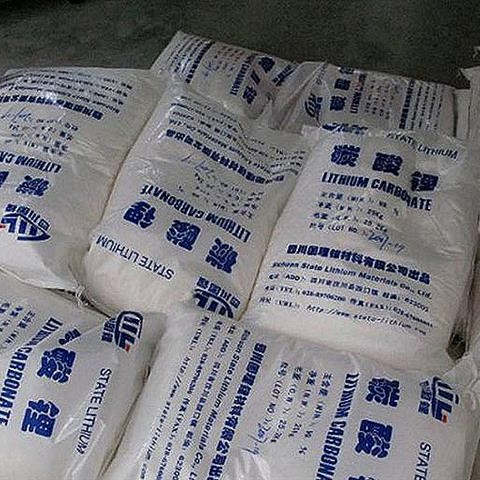
Lithium Market in China: Price Decline Amid Potential Supply Surge from CATL
The lithium carbonate futures market in China has experienced significant volatility in recent days, with prices plummeting by up to 10% across two consecutive trading sessions. This decline has pushed prices to their lowest level in ten weeks, reaching approximately 157,000 Chinese yuan (equivalent to $23,175) per ton as of Tuesday. The market downturn is primarily attributed to growing speculation that Contemporary Amperex Technology Co. (CATL), China's largest electric vehicle battery manufacturer, may soon resume operations at its massive Jianxiawo lithium mine. This potential development has sent shockwaves through the global lithium market, affecting mining companies worldwide and reshaping future supply projections.
Market Dynamics and Recent Price Movements
The current price reversal marks a significant departure from the robust growth trajectory observed earlier in the year. During the first quarter, lithium carbonate prices had surged past 200,000 yuan per ton, driven by supply chain disruptions and unexpectedly strong demand from grid-scale energy storage applications. However, the recent market correction reflects shifting perceptions about future supply availability.
The market's reaction to the potential restart of Jianxiawo highlights the delicate balance between supply and demand in the lithium sector. As the world transitions toward cleaner energy solutions, lithium has emerged as a critical component in both electric vehicle batteries and energy storage systems. The market sensitivity to developments at a single mine underscores the concentrated nature of lithium production and the potential for localized events to have global ramifications.
Impact on Global Lithium Mining Companies
The speculation surrounding CATL's mining operations has had immediate consequences for publicly traded lithium companies worldwide. Stock prices have experienced notable declines across the sector, with some companies losing over 15% of their market capitalization in just 30 days. The following table illustrates the extent of these losses:
| Company | Stock Exchange | Price Change (30 Days) | Market Impact |
|---|---|---|---|
| Lithium Americas | NYSE: LAC | -15.2% | Significant decline |
| Sigma Lithium Corp. | NASDAQ: SGML | -14.8% | Significant decline |
| Atlas Lithium Corp. | NASDAQ: ATLX | -10.2% | Moderate decline |
| Albemarle Corp. | NYSE: ALB | -14.8% | Significant decline |
| Sociedad Química y Minera de Chile S.A. | NYSE: SQM | -5.6% | Mild decline |
These market movements reflect investor concerns about potential oversupply scenarios if CATL successfully restarts operations at Jianxiawo. The mine's substantial production capacity could significantly alter the global supply-demand balance, particularly as the electric vehicle industry continues its rapid expansion.
The Jianxiawo Lithium Mine: Overview and Potential
Located in Yichun, Jiangxi province, the Jianxiawo mine represents one of the world's largest hard rock lithium deposits containing lepidolite, a lithium-bearing mica mineral. While lepidolite typically yields less lithium per ton of ore compared to spodumene (another lithium-bearing mineral), the sheer scale of the Jianxiawo deposit makes it strategically significant in the global lithium supply chain.
According to official reports from Jiangxi province authorities, the mine has successfully passed the preliminary land assessment and site selection phase. The Natural Resources Bureau of Jiangxi province has issued a "Project Land Use Approval and Site Selection Opinion," effective from June 17, 2026, to June 17, 2029. This administrative approval represents a crucial step in the potential resumption of mining operations at the site.
Production Capacity and Global Significance
The Jianxiawo mine possesses an impressive production capacity, with the potential to yield approximately 46,000 tons of lithium carbonate annually. This output represents roughly 3% of current global lithium supply, making the mine's operational status a significant factor in worldwide lithium market dynamics. For context, global lithium production has been estimated at around 1.3-1.4 million tons of lithium carbonate equivalent (LCE) in recent years.
The mine's significance extends beyond its immediate production figures. As a major source of lithium from lepidolite, Jianxiawo could influence processing technologies and extraction methods, potentially opening new pathways for developing similar deposits worldwide. This technological advancement could further expand global lithium production capabilities in the coming years.
Regulatory and Operational Challenges
Despite the positive developments regarding land approvals, several substantial hurdles remain before CATL can fully resume operations at Jianxiawo. Wall Street analysts caution that it is premature to celebrate the mine's potential restart, as multiple regulatory and operational barriers must be addressed.
Regulatory Compliance and Permitting Requirements
The most significant challenge stems from the expiration of the mine's original mining permit, which requires CATL to comply with China's amended Mineral Resources Law. This updated legislation classifies lithium as a strategic independent mineral, subject to stricter regulatory controls and permitting requirements. The company must obtain new mining permits, conduct updated environmental impact assessments, and secure official approval for waste storage facilities.
Among these requirements, approval for waste storage facilities is considered particularly critical. The extraction of low-grade lepidolite ore generates substantial waste material—potentially millions of tons annually. Constructing and obtaining approval for large-scale waste storage dams in accordance with China's stringent environmental regulations represents a complex and time-consuming process that could significantly delay operational resumption.
Furthermore, the company must navigate updated environmental standards that have been strengthened since the mine's initial operation. These regulations address water usage, chemical management, habitat preservation, and community impact—factors that have become increasingly important in mining operations worldwide.
Market Outlook and Future Projections
Despite the potential supply increase from Jianxiawo, market analysts maintain a cautiously optimistic outlook for lithium prices. While short-term volatility may continue, several structural factors suggest that the market is transitioning toward a period of sustained demand growth and potential supply constraints.
Supply-Demand Balance and Market Transition
Analysts at Citi predict that lithium supply and demand will remain tight in the near term, particularly as battery production capacity expansion is expected to accelerate in the third quarter. Many Wall Street analysts believe the global lithium market is transitioning from a period of oversupply to a structural deficit beginning this year, following several years of price declines and market adjustments.
Analysis from Fastmarkets supports this view, indicating a structural imbalance where demand exceeds production capacity. This fundamental market dynamic is driving significant price adjustments and is expected to support lithium prices in the medium to long term. The transition reflects several concurrent factors:
- Rapid expansion of electric vehicle adoption beyond initial markets
- Growing deployment of grid-scale energy storage systems
- Increased lithium usage in emerging technologies
- Reduced investment in new mining projects during previous periods of low prices
The Evolving Energy Storage Market
A particularly significant development is the emergence of battery energy storage systems (BESS) as a major demand driver for lithium. The global BESS market is projected to triple to $150 billion by 2030, with global capacity expected to increase 5 to 15 times by the end of this decade. This expansion is being accelerated by several factors:
- Integration of renewable energy sources into power grids
- Growth in artificial intelligence applications requiring substantial power infrastructure
- Grid modernization and electrification initiatives worldwide
- Increasing frequency of extreme weather events driving demand for resilient energy solutions
The diversification of lithium demand beyond electric vehicles represents a significant structural shift in the market. This reduced dependency on a single application category makes the lithium market more resilient to fluctuations in any one sector while creating multiple growth drivers.
Conclusion: Navigating a Transforming Market
The recent decline in lithium carbonate prices reflects market anticipation of potential supply increases from CATL's Jianxiawo mine. However, the path to full operational status remains uncertain, with regulatory and environmental challenges that could significantly impact the timeline. Meanwhile, structural changes in the broader energy landscape suggest that long-term fundamentals for lithium remain strong.
As the market evolves, industry participants must navigate several competing forces: potential near-term supply increases versus long-term structural deficits, regulatory tightening versus technological innovation, and price volatility versus growing demand from multiple applications. The lithium market appears to be entering a new phase characterized by increased complexity, greater differentiation between product qualities, and heightened sensitivity to policy and environmental considerations.
For investors, policymakers, and industry stakeholders, the current market dynamics underscore the importance of distinguishing between short-term fluctuations and long-term trends. While the potential restart of Jianxiawo may create temporary oversupply concerns, the broader transition toward electrification and renewable energy storage suggests that lithium will remain a critical commodity in the global energy transformation.