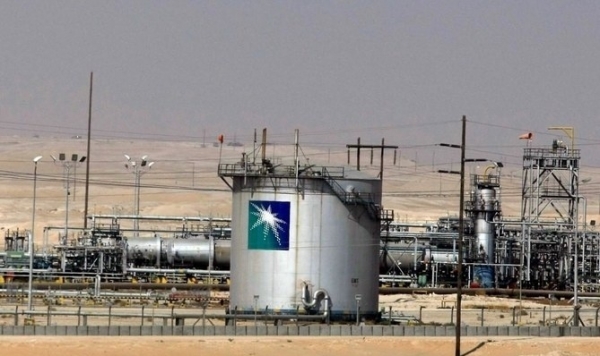
Saudi Arabia Considers Oil Price Hike for Asian Markets Amid Geopolitical Tensions
In the face of increasingly complex geopolitical developments, Saudi Arabia is actively considering increasing crude oil export prices to Asian markets. This potential adjustment, which could see prices rise by as much as $5 per barrel, reflects the mounting transportation costs resulting from shipping disruptions in the Red Sea caused by Houthi forces.
Current Market Situation
According to Reuters sources, Saudi Arabia's potential price revision represents a significant shift in oil pricing dynamics. The move not only threatens to destabilize global oil markets but could also have profound implications for numerous economies dependent on Saudi oil supplies. The timing of this consideration comes amid heightened tensions in one of the world's most critical shipping lanes.
The Red Sea, through which approximately 10% of global oil shipments pass, has become increasingly volatile due to persistent attacks and blockades orchestrated by Houthi rebels. These disruptions have forced many oil tankers to take longer alternative routes, significantly increasing transportation costs and delivery times.
Factors Driving Potential Price Increases
The decision to potentially increase oil prices stems from several interconnected factors:
- Red Sea Blockades: Houthi forces have intensified their activities in the Red Sea, implementing effective blockades that disrupt normal maritime traffic. These actions have created substantial challenges for oil transportation, particularly for shipments heading to Asian markets.
- Rising Transportation Costs: The rerouting of oil tankers around Africa's Cape of Good Hope instead of using the Suez Canal has added approximately 15-20 days to delivery times and significantly increased fuel consumption and insurance premiums. These additional costs are now being factored into the final pricing of crude oil exports.
- Increased Insurance Premiums: Shipping companies face substantially higher insurance costs due to the elevated risk of transit through the Red Sea, with some reports indicating premiums have increased by as much as 300% for vessels navigating these waters.
Market Implications and Regional Impact
The potential oil price increase could trigger a cascade of economic consequences across Asian oil-importing nations:
- Elevated Energy Costs: Major Asian economies including China, Japan, and India would face significantly higher expenditures for crude oil imports. These countries collectively import millions of barrels of Saudi oil monthly, making them particularly vulnerable to price adjustments.
- Domestic Fuel Price Increases: Higher crude oil prices would likely translate to increased gasoline and diesel prices at the consumer level, potentially accelerating inflation and reducing disposable income for millions of households.
- Manufacturing Sector Pressure: Industries dependent on petroleum products, including petrochemicals, plastics, and transportation, would face increased operational costs, potentially leading to reduced competitiveness in global markets.
Future Market Projections
Market analysts predict that if geopolitical tensions in the Red Sea persist, Saudi Arabia may implement further price adjustments, leading to continued volatility in global oil markets. This uncertainty could complicate economic planning for governments and businesses worldwide.
Energy economists suggest that the current situation represents a fundamental shift in oil pricing mechanisms, where geopolitical risk premiums are becoming increasingly significant in determining final export prices. The long-term implications could include a structural increase in baseline oil prices, even after immediate tensions subside.
Regional Price Impact Analysis
The following table illustrates the potential impact of Saudi Arabia's price adjustments on key Asian markets:
| Country | Current Oil Price (USD/barrel) | Predicted Price (USD/barrel) | Price Increase (USD) | Percentage Increase |
|---|---|---|---|---|
| China | 70 | 75 | 5 | 7.1% |
| Japan | 68 | 73 | 5 | 7.4% |
| India | 69 | 74 | 5 | 7.2% |
| South Korea | 71 | 76 | 5 | 7.0% |
| Taiwan | 70.5 | 75.5 | 5 | 7.1% |
Strategic Implications for Stakeholders
For investors and consumers, these developments necessitate close monitoring of market conditions and proactive adaptation strategies. Energy-dependent industries may need to accelerate diversification efforts, while governments might consider strategic reserve releases or alternative sourcing arrangements to mitigate potential economic impacts.
The situation underscores the increasing vulnerability of global energy markets to regional conflicts and the critical importance of maritime security for international trade. As the world continues to grapple with these challenges, the oil industry may witness a fundamental reevaluation of risk assessment methodologies and pricing strategies.
Industry experts suggest that this could mark the beginning of a new era in oil pricing, where geopolitical factors play an even more significant role than traditional supply-demand dynamics. The long-term implications could reshape global energy trade patterns and influence investment decisions across the sector for years to come.