Kazakhstan Restarts Oil Exports Through CPC Pipeline Following Drone Attack Disruption
The Kazakh authorities have successfully resumed crude oil exports through the Caspian Pipeline Consortium (CPC) pipeline, marking a significant development in the nation's energy sector after a week-long suspension triggered by repeated drone attacks. According to reports from Astana Times, the restart occurred on Monday as pipeline operators reopened the Black Sea terminal and resumed accepting crude oil from producers, gradually restoring normal operations to this critical energy corridor.
According to Kazakhstan's Ministry of Energy, two tankers were being loaded with crude oil from the Chevron-led Tengizchevroil project at the Novorossiysk port, while producers had already resumed transporting oil into the CPC pipeline system. The ministry also confirmed that export operations would continue based on ongoing security assessments, indicating that while normalcy is returning, heightened security measures remain in place.
Restart Operations Amid Security Concerns
The resumption of operations follows a complete halt in crude oil intake and tanker loading at the terminal last week, which was implemented after repeated drone attacks targeting vessels operating near or at the facility. In response to the disruption, Kazakhstan had requested producers to reduce output to prevent storage facilities from reaching capacity after being disconnected from the export system.
Industrial data cited by Reuters showed Kazakhstan's oil and condensate production dropped to 133,200 metric tons, equivalent to approximately 1 million barrels per day, on Sunday, down from an average of 2.16 million barrels per day in June. This represents a significant reduction in the country's output and highlights the substantial impact of the security situation on production capabilities.
CPC separately confirmed that pipeline operations were restarted at 12:28 Moscow time. The Ministry of Energy did not specify how quickly production volumes would return to normal levels, suggesting a gradual approach to resuming full capacity.
The Strategic Importance of the CPC Pipeline
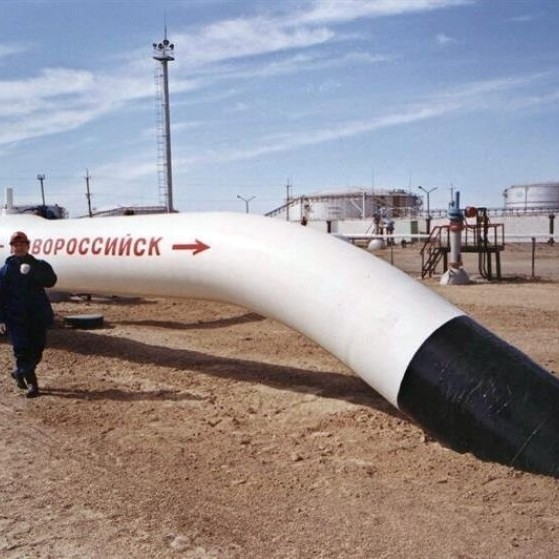
The CPC's 1,500-kilometer pipeline represents a critical infrastructure asset for Kazakhstan, transporting crude oil from the massive Tengiz oil field in southern Kazakhstan to the Black Sea port of Novorossiysk. The pipeline carries over 80% of Kazakhstan's total crude oil exports, making it the nation's primary export route for its most valuable commodity. International producers including Chevron and ExxonMobil rely heavily on this corridor to bring Tengiz production to global markets.
Data from vessel tracking provided by LSEG and cited by Reuters revealed that the Suezmax Asia, chartered by Chevron, had been positioned at the port on Monday. Chevron confirmed they continue to monitor the situation at CPC but declined to provide additional comments when directly approached by Reuters, maintaining a cautious approach as security concerns persist.
Global Oil Market Implications
The disruption temporarily removed over 1 million barrels per day of Kazakh production from global markets, adding supply risks at a time when global oil flows were already under pressure from disruptions affecting both Black Sea and Middle Eastern shipping routes. This incident occurred against a backdrop of heightened geopolitical tensions in energy-producing regions worldwide.
| Parameter | Pre-Disruption | During Disruption | Current Status |
|---|---|---|---|
| Kazakhstan oil production (million barrels/day) | 2.16 | 1.00 | Gradual resumption |
| CPC pipeline status | Normal operations | Suspended | Restarted |
| Novorossiysk port status | Normal operations | Loading suspended | Reopened |
| Security measures | Standard | Heightened | Enhanced |
Corporate Responses to the Restart
Chevron, one of Kazakhstan's largest producers through the Tengizchevroil project, confirmed the resumption of operations but maintained a cautious stance. The company stated they continue to monitor the situation at CPC but declined to provide further comments on the current situation or future production plans, reflecting the ongoing uncertainty surrounding security conditions.
While no official information was available on how other producers such as ExxonMobil have responded to the export resumption, it is likely they will quickly ramp up production following confirmation of the system's safety. The restart represents a positive development for all stakeholders in the Kazakh oil sector, particularly international partners with significant investments in the region.
Future Outlook for Kazakhstan's Oil Exports
Although export operations have been restarted, Kazakhstan's Ministry of Energy emphasized that the continuation of activities would depend on ongoing security assessments. This indicates that authorities remain concerned about the potential for further drone attacks in the near future, necessitating continued vigilance and potentially affecting operational efficiency.
Kazakhstan, one of the world's largest oil producers, must balance the need to maintain production levels with ensuring the security of its export infrastructure. The restart of operations through the CPC pipeline is a positive step, but the situation remains subject to various uncertainties that could impact future operations.
The disruption in Kazakhstan's oil exports occurred amid global oil market challenges from geopolitical conflicts, particularly in the Middle East and Black Sea regions. The stabilization of the CPC pipeline will help alleviate some pressure on the already strained global oil market, though the long-term security of this critical infrastructure remains a concern for producers and consumers alike.
Charles Kennefy for Oilprice.com