Iran Threatens Retaliation After Ukraine Attack in Caspian Sea
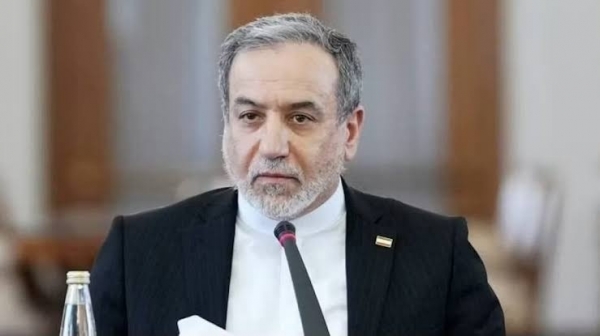
Iranian Foreign Minister Abbas Araghchi issued a stern warning on Sunday following an attack on an Iranian vessel in the Caspian Sea that resulted in casualties. Tehran has vowed to take retaliatory measures against what it describes as a hostile act against its naval assets.
The incident occurs against a backdrop of increasing military and geopolitical sensitivity in the Caspian Sea region, particularly following Russia's extensive involvement in the Ukraine conflict. As one of the Caspian littoral states with significant coastline, Russia's military posture in the region has drawn heightened attention from neighboring nations.
Regional Tensions Escalating
The Caspian Sea, the world's largest inland body of water, is increasingly becoming a focal point for security and military concerns. The five littoral states—Iran, Russia, Kazakhstan, Turkmenistan, and Azerbaijan—all maintain strategic interests in this resource-rich region.
The growing military presence of these nations, especially after Russia established its Caspian Fleet, has significantly heightened tensions in the area. The following table summarizes the naval capabilities of each Caspian nation:
| Country | Naval Forces | Coast Guard | Number of Vessels |
|---|---|---|---|
| Iran | Caspian Navy | Islamic Republic of Iran Navy | ~40 vessels |
| Russia | Caspian Fleet | Border Guard Service | ~20 vessels |
| Azerbaijan | Naval Forces | State Border Service | ~15 vessels |
| Kazakhstan | Naval Forces | Border Guard Service | ~10 vessels |
| Turkmenistan | Naval Forces | Coast Guard | ~5 vessels |
Details of the Attack
According to preliminary reports, an Iranian vessel came under attack in Caspian waters, resulting in injuries to crew members. Iran has not released specific details regarding the exact location, timing, or methodology of the attack.
Multiple sources suggest the incident may be connected to the escalating conflict between Ukraine and Russia, with Iran reportedly supporting Moscow both militarily and economically. However, no concrete evidence has emerged directly linking Ukraine to the incident.
Iran's Retaliation Threat
Foreign Minister Abbas Araghchi responded forcefully to the incident, asserting that Iran would not tolerate what it describes as a "treacherous" attack and would take commensurate retaliatory actions.
"We will not stand idly by by provocative attacks against our vessels. Iran has the right to self-defense and will take necessary actions to protect our national interests," Araghchi declared in a statement.
This threat has raised concerns about potential escalation in the region, particularly as Iran and Ukraine have maintained diplomatic relations for decades despite recent strains.
International Reactions
The United Nations has called on all parties to exercise restraint and avoid actions that could further escalate tensions in the Caspian Sea region.
Russia, Iran's strategic ally, has strongly condemned the attack and expressed solidarity with Tehran. "We view this as a serious provocation and call on all involved parties to act responsibly," a spokesperson for the Russian Foreign Ministry stated.
Ukraine has yet to issue an official statement regarding the incident, though sources in Kiev have denied any involvement.
Impact on Regional Security
The incident could potentially reshape the security landscape in the Caspian Sea, a critical maritime trade and energy route. The following table illustrates key maritime routes and energy projects in the region:
| Sea Route | Length (km) | Economic Significance |
|---|---|---|
| Azerbaijan-Iran route | ~300 | Crude oil exports |
| Kazakhstan-Azerbaijan route | ~400 | General cargo transportation |
| Russia-Iran route | ~500 | Diverse trade activities |
| TAPI gas pipeline project | ~1,800 | European energy supply |
| BTC oil pipeline | ~1,770 | Caspian oil exports |
Expert Analysis
According to international relations experts, this incident could mark a turning point in Iran-Ukraine relations, which have deteriorated since Tehran began supplying drones and other weapons to Russia.
"This is not just an isolated incident. It reflects the broader escalation in the indirect conflict between Ukraine-supporting nations and Russia's allies," Dr. Nguyen Van An, a Middle East regional security expert, commented.
Some analysts also fear that Iran might use this incident as a pretext to enhance its military presence in the Caspian Sea, potentially altering the regional power balance.
Conclusion
The attack on the Iranian vessel in the Caspian Sea and Tehran's subsequent threat of retaliation have plunged the region into a new state of instability. Against the backdrop of the ongoing Ukraine conflict, this incident could create a domino effect, impacting security and stability throughout the region.
Whether Iran will follow through with its threatened retaliation and how other nations will respond remain critical questions to be monitored in the coming days.
Containing tensions and seeking diplomatic solutions will be crucial to preventing the situation from escalating into a larger crisis in the Caspian Sea region.
#Iran #Ukraine #CaspianSea #RegionalSecurity #InternationalConflict