Rebuilding Karabakh Through Green Energy: A Model for Post-Conflict Reconstruction
In an era where the world is actively seeking sustainable development models, the Karabakh region of Azerbaijan has emerged as a pioneering case study. By integrating post-conflict reconstruction with an immediate energy transition, Azerbaijan is transforming war-torn landscapes into modern, sustainable communities powered by renewable energy. From cities once devastated by warfare, Karabakh is experiencing a remarkable rebirth through solar power, hydropower, and advanced green energy zones.
Background: From Conflict to Reconstruction Opportunity
The prolonged conflict in Karabakh left severe consequences for infrastructure and the environment. Rather than simply restoring the pre-war status quo, Azerbaijan has seized this opportunity to build a sustainable future with green energy at its core.
"Instead of rebuilding what was there, we want to create a modern, green, and sustainable Karabakh," stated Ilham Aliyev, President of Azerbaijan, during a recent seminar on regional reconstruction.
Overall Strategy: Integrating Reconstruction and Energy Transition
Azerbaijan has implemented a comprehensive strategy for Karabakh's reconstruction, with green energy playing a central role. This strategy is built on three main pillars:
- Developing large-scale renewable energy infrastructure
- Establishing Green Energy Zones
- Transitioning to a green economy and creating sustainable employment
The table below summarizes the primary objectives of Karabakh's reconstruction strategy:
| Pillar | Specific Objectives | Timeline |
|---|---|---|
| Renewable Energy | Achieve 35% renewable energy in total electricity production | 2030 |
| Green Energy Zones | Complete 3 large-scale green energy zones | 2028 |
| Green Economy | Create 10,000 jobs in the clean energy sector | 2030 |
Solar Power Projects: The Light of Hope
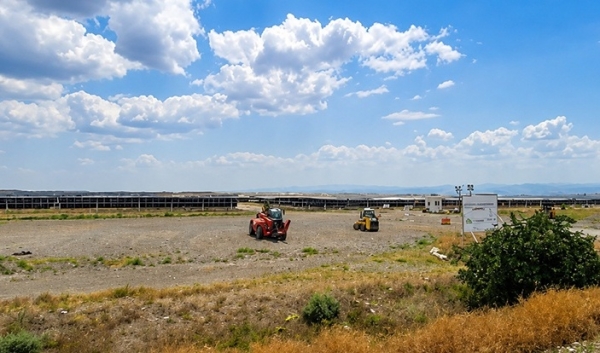
Among renewable energy projects, solar power has received the highest priority for development. Azerbaijan has launched the 240 MW Fuzuli Solar Power Plant, which is expected to become one of the largest solar facilities in the region.
"The project not only provides clean electricity for thousands of households but also serves as a symbol of rebirth," said Samir Valiyev, CEO of Azerenergy, the company implementing the project.
As of mid-2023, Azerbaijan has completed 5 solar power plants with a total capacity of 500 MW, three of which are located in the Karabakh region. These projects are expected to reduce CO2 emissions by 1.2 million tons annually.
Hydropower Projects: Harnessing Local Water Resources
In addition to solar power, Azerbaijan is advancing hydropower development in Karabakh. The 240 MW Khachinchay Hydropower Project, initiated in 2022, is scheduled for completion in 2025.
"Unlike traditional hydropower projects that have raised environmental concerns, we are applying advanced technologies to minimize ecosystem impacts," explained Elshan Rustamov, an energy expert.
Besides the Khachinchay project, Azerbaijan plans to construct an additional 5 small hydropower plants with a total capacity of 300 MW, focusing on areas with favorable terrain.
Green Energy Zones: An Integrated Development Model
The highlight of Karabakh's reconstruction strategy is the development of Green Energy Zones—integrated development areas that combine renewable energy production with sustainable industrial and agricultural activities.
The first Green Energy Zone in Shusha was launched in 2023, covering a total area of 500 hectares. The zone will include:
- A 100 MW solar power station
- A solar panel manufacturing plant
- An industrial zone for producing clean energy equipment
- A high-tech agricultural farm utilizing renewable energy
"Green Energy Zones are not just about producing clean energy; they're about creating a complete economic ecosystem," commented Aynur Mammadova, an environmental economics expert.
Challenges and Solutions
Despite the optimistic outlook, implementing green energy projects in Karabakh faces several challenges:
- War-damaged infrastructure needs restoration before new construction
- Lack of skilled professionals and workers in the renewable energy sector
- Financial constraints for large-scale projects
- Changing community perceptions about clean energy
To address these challenges, Azerbaijan has collaborated with international organizations such as the World Bank, Asian Development Bank, and European energy companies for technology transfer and workforce training.
"We need not only investment capital but also knowledge and experience from advanced countries in clean energy," stated Mikayil Jabbarov, Azerbaijan's Minister of Economy.
Economic and Social Impact
The green energy reconstruction projects in Karabakh are already demonstrating significant positive impacts:
- Job Creation: To date, the projects have created approximately 3,000 direct and 7,000 indirect jobs
- Local Economic Development: Green industrial zones are attracting investment and stimulating economic growth
- Improved Quality of Life: Reliable and cleaner electricity has significantly enhanced residents' living conditions
- Environmental Protection: Reduced greenhouse gas emissions and air pollution
"Solar power has completely transformed our lives. Previously, we frequently experienced power outages, but now we have sufficient electricity and can even sell excess power to the grid," shared Ahmadov, a resident of Fuzuli.
Future: Karabakh as a Global Model
Azerbaijan's success in combining post-conflict reconstruction with energy transition is attracting international attention. Many countries, particularly those recovering from conflicts, are considering adopting this model.
"Karabakh is becoming a living laboratory for sustainable post-conflict development," according to an assessment by the United Nations.
By 2030, Karabakh is expected to become the region's green energy hub, with 70% of its energy needs met from renewable sources. Azerbaijan also aims to export its green energy technology and development experience to other countries.
"We want to demonstrate that even the most devastated areas can become models for sustainable development," President Aliyev affirmed.
Conclusion
Azerbaijan's journey to rebuild Karabakh through green energy represents more than just post-war infrastructure restoration—it exemplifies long-term vision for sustainable development. By integrating reconstruction with energy transition from the outset, Azerbaijan is creating a new model that could be applied in various conflict-affected regions worldwide.
The Karabakh story demonstrates that the greatest challenges can sometimes present the most significant opportunities to build a better future—one that is green, sustainable, and prosperous for all.