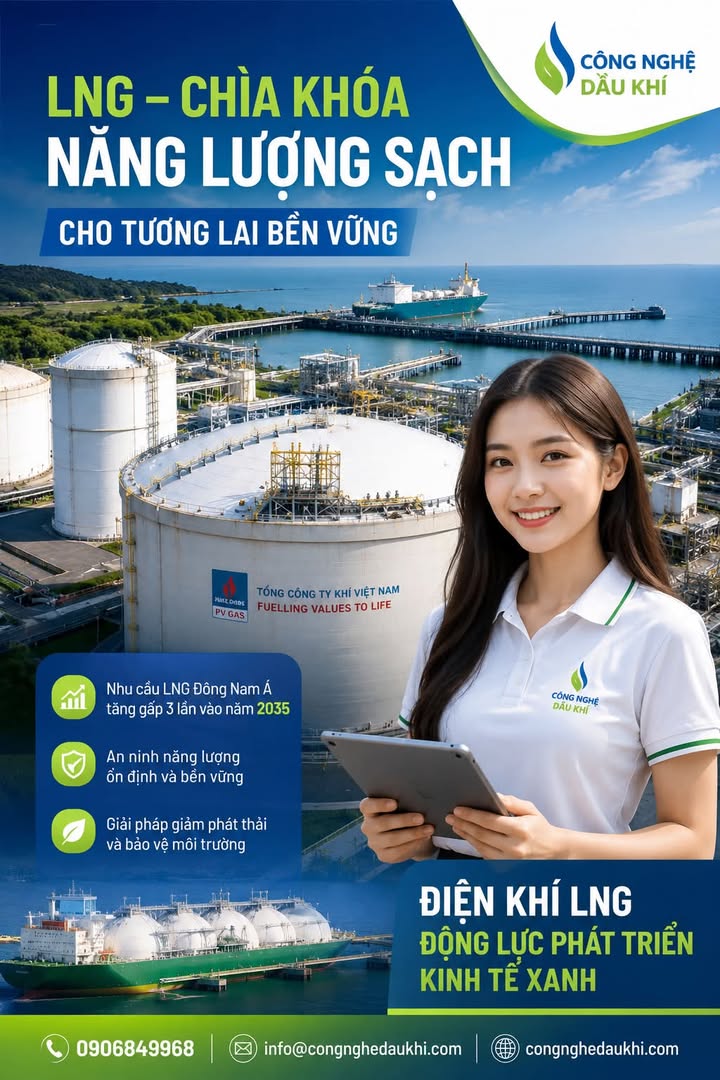
Southeast Asia Faces LNG Implementation Challenge Amid Rising Demand
The Southeast Asian region stands at a critical juncture as it grapples with the challenge of meeting rapidly increasing demand for Liquefied Natural Gas (LNG), with numerous gas power projects facing significant implementation delays. According to a comprehensive analysis by BloombergNEF published on July 23, 2026, the region's ability to secure its energy future may depend on overcoming these obstacles to gas project development.
Regional LNG Demand Outlook
BloombergNEF's analysis projects that LNG imports to Southeast Asia could potentially triple by 2035, driven by two primary factors. First, many countries in the region are experiencing declining production from domestic natural gas fields. Second, there is an increasing need for reliable baseload power to support sustained economic growth and accommodate the integration of intermittent renewable energy sources.
However, the report presents a concerning paradox: while demand projections are rising, the implementation of necessary infrastructure is lagging significantly. The analysis indicates that less than half of the total planned gas-fired power capacity across Southeast Asia is likely to be constructed by the target dates, creating a substantial gap between projected demand and available supply.
Key Challenges to Gas Project Development
The delay in gas power project implementation stems from multiple interconnected challenges across the region:
- Financing hurdles - Securing adequate investment capital remains difficult due to high upfront costs and evolving regulatory environments
- Infrastructure limitations - Insufficient LNG terminal and regasification capacity in many countries
- Contractual complexities - Negotiating long-term power purchase agreements (PPAs) with favorable terms
- Regulatory uncertainty - Inconsistent pricing mechanisms and permitting processes
- Market competition - Competition from other energy sources including coal and renewables
Focus on Vietnam's Energy Transition
For Vietnam, LNG represents a critical component of its Electricity Planning VIII strategy, which aims to diversify the energy mix, reduce dependence on coal, and facilitate the integration of variable renewable energy sources like wind and solar power. The country has positioned natural gas as a transitional fuel toward a cleaner energy future.
Despite this strategic importance, Vietnam's gas power sector faces significant obstacles. Several planned LNG-to-power projects have encountered delays due to difficulties in securing financing, finalizing power purchase agreements, developing the necessary port infrastructure for LNG imports, and establishing appropriate pricing mechanisms.
The country's energy planners must balance immediate energy security needs with long-term decarbonization goals while navigating these implementation challenges. The success of Vietnam's energy transition may well depend on its ability to accelerate gas project development.
Table: BloombergNEF Analysis of Southeast Asia's LNG Sector
| Analysis Category | Details |
|---|---|
| Region Analyzed | Southeast Asia |
| LNG Demand Trend | Potential to increase approximately 3 times by 2035 |
| Key Condition for Forecast | |
| Greatest Risk | Continued delays in gas power project development |
| Publication Date | July 23, 2026 |
Broader Implications for Energy Security
The analysis highlights a fundamental shift in the region's energy challenge: the problem is no longer primarily about consumption demand but rather about the ability to implement gas power projects according to schedule. If current delays persist, the consequences could extend beyond the LNG market to affect broader energy security goals and the transition to low-emission power systems.
Countries across Southeast Asia may need to reassess their energy strategies, potentially accelerating alternative solutions such as increased cross-border electricity trading, enhanced grid flexibility, or more aggressive renewable energy deployment with storage solutions.
The Path Forward
Addressing these challenges will require coordinated efforts among governments, private investors, and international partners. Key strategies to accelerate gas project development could include:
- Creating more stable and transparent regulatory frameworks
- Developing standardized templates for power purchase agreements
- Establishing clear pricing mechanisms that reflect both economic and environmental costs
- Investing in shared infrastructure to reduce individual project costs
- Exploring innovative financing models including public-private partnerships
As Southeast Asia continues its economic development while simultaneously addressing climate commitments, the successful implementation of gas power projects will play a crucial role in balancing these competing priorities. The coming years will determine whether the region can overcome its current implementation challenges or face significant energy security and transition risks.