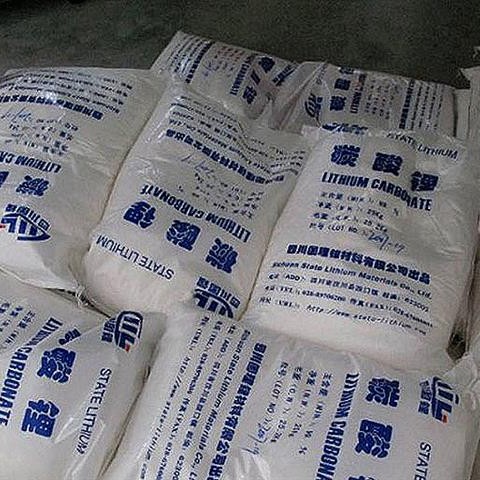
Lithium Prices Plummet to 5-Month Low Amid Supply Glut Concerns
The global lithium market is experiencing significant price volatility, with the essential battery metal falling to its lowest level in five months as concerns mount over potential oversupply. On the Guangzhou Futures Exchange (GFEX), the most active lithium carbonate contract dropped to 136,800 yuan (approximately $20,210) per ton on Wednesday, marking a substantial decline of nearly 30% from its multi-year peak achieved in mid-May.
This sharp price reduction comes as a wave of mine resumptions and expansions across the globe, particularly in China and Australia, threatens to create a supply surplus in the market. The lithium industry, which has been characterized by extreme price volatility in recent years, is now facing a potential shift from scarcity to abundance as previously idled production capacity returns to the market.
Factors Driving the Price Decline
The recent downturn in lithium prices is directly linked to the resumption and expansion of mining operations worldwide. In China, the world's largest consumer and producer of lithium, several major mines have restarted operations after regulatory hurdles were cleared. Notably, Contemporary Amperex Technology Co. (CATL), the electric vehicle battery giant, recently obtained safety production permits for its primary Jianxiawo lithium mine in Yichun. This final regulatory approval has enabled the resumption of production after nearly a year of suspension, effectively reintroducing 3% of global supply to the market.
In Australia, another key lithium-producing region, manufacturers are also ramping up supply as prices have rebounded early in the year. The Australian mining sector, which had scaled back operations during previous price downturns, is now capitalizing on the current price environment to increase production volumes.
The Jianxiawo Mine Resumption
| Information | Details |
|---|---|
| Period of Suspension | August 2025 |
| Annual Production Capacity | 100,000 - 150,000 tons LCE |
| Estimated Total Reserves | 960 million tons of spodumene ore |
| Global Supply Share | 3% |
The Jianxiawo mine had been suspended in August 2025 after its operating license expired amid a regulatory crackdown on environmental compliance, waste management, and tailings safety in Yichun, China's largest lithium mining hub. The resumption of operations at this significant mine represents a substantial addition to global supply at a time when market participants were already anticipating increased production from various sources.
Australian Mining Operations Resume
Australian producers have been particularly active in restarting previously idled operations. In May, Mineral Resources (MinRes) successfully resumed operations at its wholly-owned Bald Hill mine, reversing a November 2024 decision to suspend activities. The mine has the potential to produce approximately 165,000 tons of spodumene concentrate annually.
MinRes has also restarted the much larger Wodgina mine, which it jointly owns with Albemarle Corp. Wodgina features a designed capacity of 750,000 to 828,000 tons of spodumene concentrate per year, making it one of the world's largest hard-rock lithium operations.
Other Mining Projects Restarting
In the same month, Core Lithium restarted mining operations at its Finniss Lithium Operation in the Northern Territory of Australia after a two-year hiatus caused by declining lithium prices. The company has secured a $290 million financing package to support construction and accelerate production, including a $120 million equity capital raise along with debt facilities and convertible bonds from Glencore Australia, InfraVia Capital, and Nebari Holdings.
The resumption of these various mining operations across different regions suggests a coordinated effort by producers to capitalize on current price levels while also positioning themselves for what they anticipate will be continued demand growth in the coming years.
Future Supply Projections
The lithium market is now preparing for anticipated oversupply in the coming years. Global lithium production is expected to grow by 26% annually, reaching 2.16 million tons by 2026 and increasing by 27% in 2027 to reach 2.74 million tons. Supply is projected to continue expanding over the next two years, reaching 3.34 million tons by 2028 and 4.02 million tons by 2029.
| Year | Projected Production (million tons) | Growth Rate (%) |
|---|---|---|
| 2026 | 2.16 | 26 |
| 2027 | 2.74 | 27 |
| 2028 | 3.34 | 22 |
| 2029 | 4.02 | 20 |
However, analysts have pointed out that there is currently a clear price imbalance in the lithium market. Futures traders are actively pricing in the expected surplus in the coming years, while short-term demand for electric vehicles and grid-scale energy storage remains robust.
Strong Demand Continues
Global electric vehicle sales continue to rise, with projections of 23 to 24 million electric vehicles expected to be sold worldwide this year, accounting for more than 70% of total battery deployments. Modern electric vehicles now represent nearly 30% of new car registrations globally, a significant increase from previous years.
Meanwhile, technology companies are rapidly deploying battery storage alongside AI data centers to avoid the multi-year grid connection delays that have plagued many projects. This expansion is creating a new, rapidly growing source of lithium demand. The deployment of utility-scale batteries continues to grow as utilities race to stabilize grids before intermittent wind and solar energy products.
Last year, global battery energy storage system (BESS) capacity increased by 40% compared to the previous year, reaching a record 108-112 gigawatts (GW), with utility-scale deployments accounting for 80% of capacity additions.
Despite the current price concerns, the fundamental drivers of lithium demand remain strong, with the energy transition accelerating globally. The challenge for the industry will be to balance this rapidly expanding supply with the growing demand for lithium in various applications, particularly as the electric vehicle market continues its exponential growth trajectory.