Europe Faces Challenges in Russia Sanctions Policy
The recent agreement by the European Union (EU) on the latest sanctions package against Russia, presented by Brussels as evidence of European unity and determination in maintaining economic pressure on the Kremlin, has highlighted a complex dilemma. Since February 2022, these sanctions have become one of the EU's primary strategic tools, targeting Russia's banking, technology, defense sectors, and increasingly, its energy sector.
However, the negotiations surrounding the new sanctions package have exposed a difficult position that Europe is facing. Brussels must confront the question: "How far can sanctions be tightened before they begin to weaken Europe's own commercial strength?"
Challenges in the LNG Transport Sector
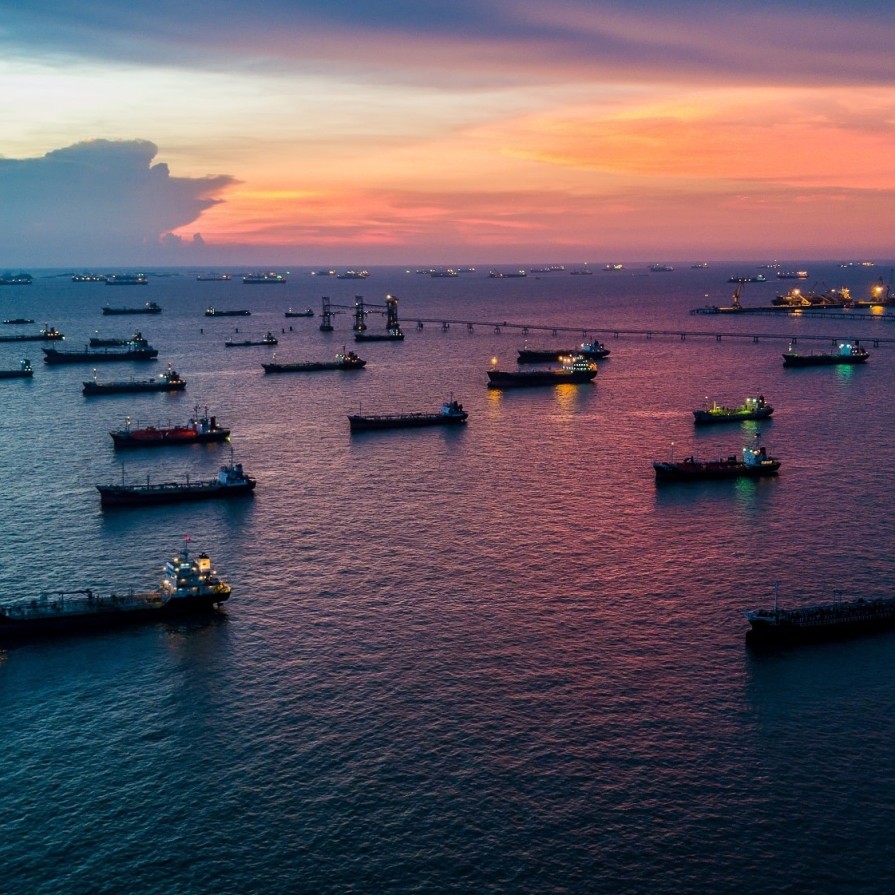
In this context, the issue of Russian liquefied natural gas (LNG) has become central. Greece, as one of the world's largest maritime nations, has called for restrictions on LNG transport to be carefully adjusted to avoid harming the competitiveness of European shipping companies while still significantly reducing Russia's export revenue. To achieve this compromise, Brussels has granted temporary exemptions for certain LNG transport activities related to Russia, allowing for a broader sanctions package.
This agreement, while politically necessary to ensure consensus among member states, has highlighted the increasingly difficult balance between geopolitical objectives and commercial realities.
Structural Issues in Sanctions Policy
This debate is not merely about exemptions or a single member state but reveals a broader structural issue in Europe's sanctions strategy. Currently, public discussions primarily focus on imports, such as the amount of Russian oil or gas that Europe continues to purchase, the reduction in dependency since 2022, and the diversification process. However, the real issue now is the need to address the infrastructure that allows Russian hydrocarbons to reach customers elsewhere in the world.
| Russian Hydrocarbon Export Statistics | 2022 | 2023 |
|---|---|---|
| Crude Oil | 50 million tons | 45 million tons |
| Liquefied Natural Gas (LNG) | 20 million tons | 22 million tons |
| Petroleum Products | 30 million tons | 28 million tons |
In an interconnected global energy market, hydrocarbon production only creates value if it can be transported to buyers. Currently, maritime logistics are as crucial as pipeline infrastructure.
The Role of Greek Shipowners
Greek shipowners have long dominated the global energy transport sector, controlling one of the world's largest commercial fleets and influencing international decisions. This awareness creates a sense of importance and pride among policymakers and industry experts alike.
The current debate is unsurprisingly approached by Athens differently from other member states with less direct exposure to maritime transport. Greek officials have clearly argued that unilateral restrictions on European maritime transport could simply transfer business to non-EU competitors. They are also correct in noting that this would not reduce Russia's energy export capabilities.
New Challenges in Sanctions Policy
The results of current sanctions have also yielded mixed outcomes. Since 2022, Russia's energy exports have shifted. Initial sanctions focused on reducing Europe's direct dependency on Russian hydrocarbons, but have since shifted to limiting revenue from these exports.
As global oil and gas markets have adapted well to new trade routes and intermediary trading hubs, sanctions have failed to eliminate Russia's significant export capabilities.
Conclusion
As Europe continues to strengthen its sanctions architecture, these realities cannot be ignored. The recent negotiations involving Greece show that sanctions policy has entered a new phase, where maritime logistics, commercial competitiveness, and geopolitical strategy are increasingly intertwined.
Brussels now needs to recognize that it is facing a complex policy challenge. If sanctions become stringent enough to exclude experienced European operators from Russian LNG transport, Brussels will need to accept that there is no guarantee that Russia's exports will cease. This all reflects a broader development in Europe's strategic thinking. Since 2022, the primary focus has been on energy security through supply diversification, expanding LNG import capabilities, and increasing investment in renewable energy.
What is now clear is the need to focus on maritime transport as a strategic asset. Control of logistics increasingly shapes geopolitical influence.