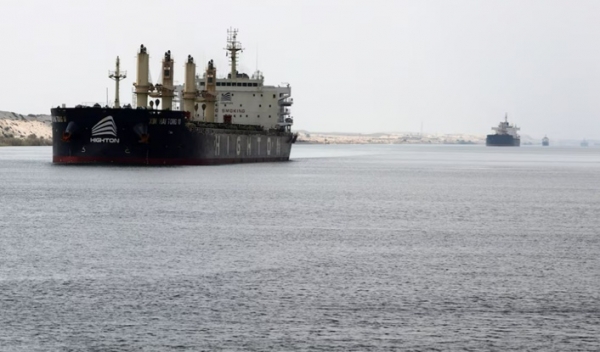
Saudi Arabian Crude Oil Forced to Take Detour to Asia Amid Red Sea Tensions
In a significant development affecting global energy markets, refineries across Asia are redirecting shipments of crude oil from Saudi Arabia's Yanbu port on the Red Sea. These tankers are now being forced to navigate around the southern tip of Africa instead of using the Suez Canal—a direct consequence of escalating security threats in the region.
This strategic shift comes as Houthi forces in Yemen, reportedly backed by Iran, have announced plans to implement a naval blockade targeting Saudi Arabia. The redirection represents a major logistical challenge for the world's largest crude oil exporter and its Asian customers.
Escalating Tensions in the Red Sea
Over recent weeks, security conditions in the Red Sea have deteriorated significantly. The Houthi movement in Yemen, which receives substantial support from Iran, has explicitly threatened military actions against vessels owned by or affiliated with Saudi Arabia. These threats have raised serious concerns among global shipping companies and energy traders.
As the world's leading crude oil exporter, Saudi Arabia relies heavily on the Red Sea route for transporting its energy resources to key markets in Asia and Europe. The Red Sea serves as a critical maritime corridor, with approximately 10% of global seaborne oil trade passing through it annually.
Oil Industry Response to Security Threats
In response to these mounting security concerns, major oil corporations and Asian refineries have begun altering their crude oil transportation routes from Saudi Arabia. Rather than taking the direct route through the Suez Canal—the shortest path from the Red Sea to Asia—tankers loaded with Saudi crude from Yanbu are now circumnavigating Africa via the Cape of Good Hope.
According to industry sources, this rerouting affects shipments destined for major Asian markets including China, Japan, and South Korea. The alternative route, while secure, significantly extends both travel time and operational costs for these energy shipments.
Impact on Transportation Costs and Time
The redirection of Saudi crude oil shipments has substantial implications for both transportation costs and delivery times. The alternative route via the Cape of Good Hope represents a dramatic increase in both distance and duration compared to the traditional Suez Canal passage.
| Factor | Suez Canal Route | Cape of Good Hope Route |
|---|---|---|
| Transportation Time | ~7-10 days | ~20-25 days |
| Distance | ~2,300 km | ~17,000 km |
| Transportation Costs | Lower | 30-40% higher |
The extended transit time of 10-15 additional days results in increased fuel consumption for tankers, while simultaneously raising insurance premiums due to the longer journey and associated risks. These additional costs are likely to be passed down through the supply chain, affecting end consumers and industrial users of petroleum products.
Potential Impact on Oil Prices
Disruptions to the crude oil supply chain from the Middle East could have significant implications for global oil prices. Market analysts project that crude oil prices could increase by $2-5 per barrel due to supply concerns and elevated transportation costs.
Energy sector experts note that while the current oil market experiences a supply surplus, disruptions to critical transportation routes like the Red Sea can still cause significant price volatility. The Suez Canal traditionally handles approximately 5% of global oil shipments, making its indirect closure through security concerns a notable market factor.
International Responses and Security Measures
In response to the escalating security situation, Saudi Arabia has enhanced its naval security measures to protect its crude oil transportation routes. The kingdom is simultaneously exploring alternative shipping corridors and strengthening international cooperation to ensure maritime security.
International organizations, including the United Nations and various maritime agencies, have called for restraint from all parties involved, urging actions that could further escalate tensions in the Red Sea—a vital corridor for global energy transportation.
Challenges Facing Asian Markets
For Asian refineries, the redirection of Saudi crude oil shipments presents significant logistical and cost challenges. Major importers in China, Japan, South Korea, and India—key markets for Middle Eastern crude—will face increased input costs, potentially affecting their profit margins.
Many companies have begun diversifying their crude oil sources, seeking suppliers from Africa, the Americas, and Russia to reduce dependence on Middle Eastern oil. This strategic shift may have long-term implications for global oil trade patterns and supplier relationships.
Future Market Projections
According to energy industry analyses, tensions in the Red Sea could persist for several months, compelling oil companies to continue utilizing the longer route around Africa. Market analysts predict that the oil industry will need to adapt to these new conditions with higher transportation costs and more complex supply chains.
This situation could lead to medium and long-term restructuring of the global oil industry. Additionally, the current circumstances present opportunities for other oil-producing nations such as the United States, Brazil, and Canada to increase crude oil exports to Asia, particularly light crude that can serve as a substitute for Middle Eastern grades.
Conclusion and Strategic Implications
The redirection of Saudi Arabian crude oil to Asia via the longer southern route exemplifies the increasingly complex geopolitical challenges facing the global energy sector. The mandatory detour not only increases costs but also extends transportation times, impacting the global energy supply chain.
In this context, diversifying supply sources, developing alternative transportation routes, and enhancing international cooperation to ensure maritime security have become urgent priorities for nations and oil companies alike.
Continuously monitoring developments in the Red Sea and their implications for the global energy market remains essential for all stakeholders to make informed decisions in this volatile environment.
Keywords: Crude Oil, Saudi Arabia, Red Sea, Houthi, Suez Canal, Energy, Asia