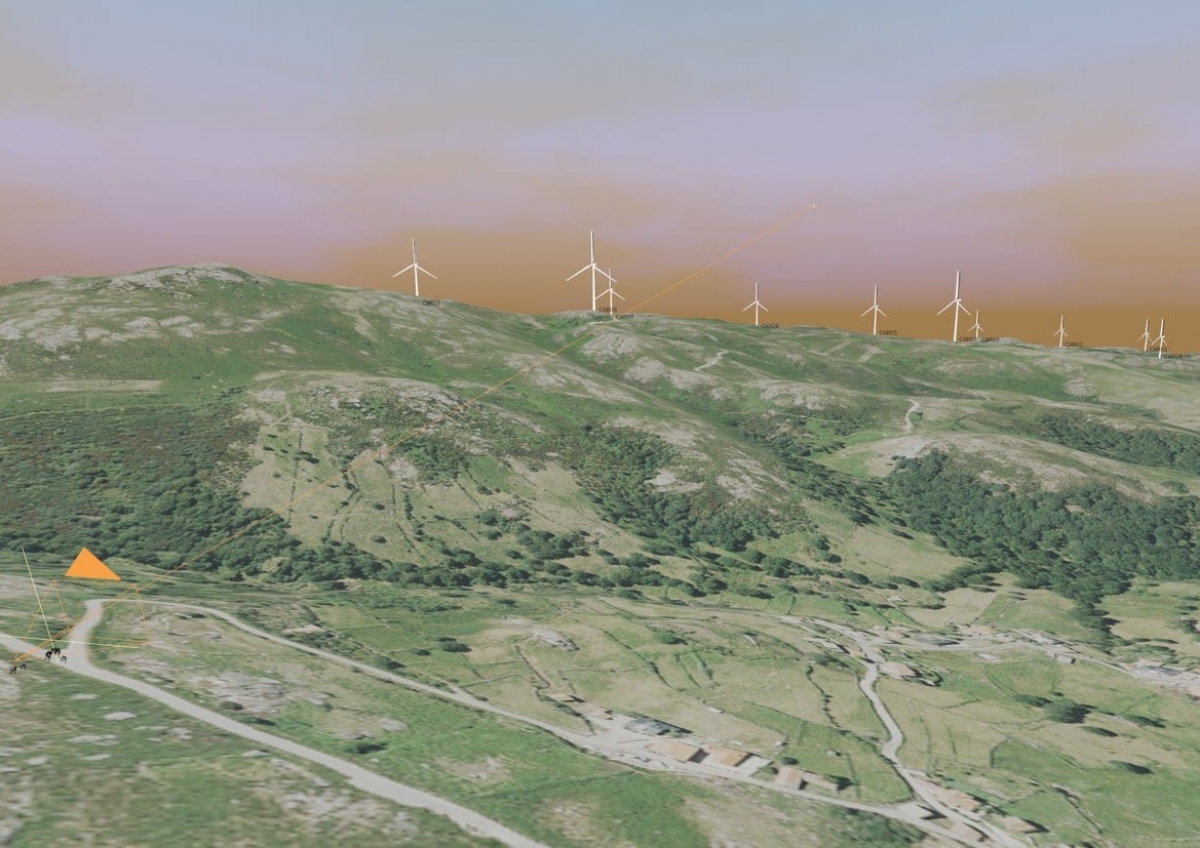
Gia Lai Province Approves Investment for Ia Le 2 Wind Power Project: New Momentum for Central Region's Renewable Energy
In today's rapidly evolving global energy landscape, renewable energy has emerged as a cornerstone of sustainable development strategies worldwide. Vietnam, recognizing the critical importance of transitioning to cleaner energy sources, has placed renewable energy development at the forefront of its national agenda. A significant milestone in this journey was recently achieved when the People's Committee of Gia Lai Province officially approved the investment proposal for the Ia Le 2 Wind Power Plant project, representing a substantial advancement in the region's renewable energy infrastructure.
Comprehensive Project Overview
The Ia Le 2 Wind Power Plant is an integral component of the larger Ia Le Wind Power Complex, strategically located in Chư Pưh and Ia Le communes within Gia Lai Province. This development marks a significant step forward in Vietnam's pursuit of diversifying its energy portfolio and reducing dependence on fossil fuels. The project approval comes at a crucial time when Vietnam is actively working toward its ambitious renewable energy targets and commitments to international climate agreements.
| Project Parameter | Specification |
|---|---|
| Project Name | Ia Le 2 Wind Power Plant |
| Location | Chư Pưh and Ia Le Communes, Gia Lai Province |
| Investor | Yet to be announced (through competitive bidding) |
| Investment Method | Competitive tender/bidding process |
| Project Type | Wind Power Generation Facility |
| Integration | Part of Ia Le Wind Power Complex |
Strategic Significance of the Ia Le 2 Wind Power Project
The approval of the Ia Le 2 Wind Power Plant carries profound implications for both Gia Lai Province and Vietnam's broader renewable energy ambitions. This project represents more than just an energy generation facility; it symbolizes a strategic commitment to sustainable development, environmental stewardship, and economic diversification in the Central Highlands region of Vietnam.
From an environmental perspective, the wind power plant will significantly contribute to reducing greenhouse gas emissions and minimizing the ecological footprint of energy production in the region. Unlike conventional power plants that rely on fossil fuels, wind power generates electricity without producing harmful emissions, making it a crucial component in Vietnam's efforts to combat climate change and improve air quality.
Economically, the project is poised to stimulate growth in Gia Lai Province by creating employment opportunities during both the construction and operational phases. Local communities will benefit from job creation, skill development, and potential infrastructure improvements that often accompany large-scale energy projects. Additionally, the wind power plant will enhance the province's energy security by providing a reliable, domestic source of electricity.
Investment Process and Implementation Framework
Following the approval of the investment principle, the next critical phase involves selecting a qualified investor through a competitive bidding process. This approach ensures transparency, fairness, and optimal value for the project while attracting experienced developers with the technical expertise and financial capacity to deliver a world-class wind power facility.
The competitive bidding process will likely involve several key stages:
- Publication of bidding documents and qualification criteria
- Pre-qualification of interested investors
- Submission of detailed technical and financial proposals
- Evaluation by a specialized committee
- Awardment of the project contract to the most qualified bidder
This structured approach not only ensures project quality but also fosters innovation in project design and implementation. By attracting experienced international and domestic investors, Gia Lai Province can leverage global best practices in wind power development while creating opportunities for technology transfer and knowledge sharing.
Future Prospects and Alignment with National Energy Strategy
The Ia Le 2 Wind Power Plant aligns perfectly with Vietnam's comprehensive Power Development Plan for the 2021-2030 period, with a vision toward 2045. This national roadmap prioritizes renewable energy as a key pillar of Vietnam's energy transition, targeting significant increases in the share of wind, solar, and other renewable sources in the country's energy mix.
According to Vietnam's updated energy strategy, the country aims to achieve 15-20% renewable energy in its total electricity generation capacity by 2030, with wind power playing a substantial role in this transition. The Central Highlands region, including Gia Lai Province, possesses significant wind resources that remain largely untapped, making it an ideal area for wind power development.
As wind energy technology continues to advance and costs decrease, projects like Ia Le 2 are becoming increasingly economically viable. The successful implementation of this project could pave the way for additional wind power developments in the region, creating a cluster of renewable energy facilities that can benefit from shared infrastructure and expertise.
Expected Economic and Environmental Impacts
The Ia Le 2 Wind Power Plant is expected to deliver substantial benefits across multiple dimensions:
| Impact Category | Expected Benefits |
|---|---|
| Energy Production | Clean electricity generation to power thousands of homes and businesses |
| Economic Development | Job creation during construction and operation, local business opportunities |
| Environmental Protection | Reduction in greenhouse gas emissions, decreased air pollution |
| Infrastructure | |
| Energy Security |
Conclusion: A Milestone in Vietnam's Renewable Energy Journey
The approval of the Ia Le 2 Wind Power Plant project represents more than just a single energy development; it signifies a meaningful step forward in Vietnam's transition toward a sustainable energy future. As the country continues to grapple with the dual challenges of meeting growing energy demand while addressing environmental concerns, projects like Ia Le 2 demonstrate how economic development and environmental responsibility can go hand in hand.
For Gia Lai Province, this project offers an opportunity to harness its natural resources for economic benefit while positioning itself as a leader in Vietnam's renewable energy transformation. The successful implementation of the Ia Le 2 Wind Power Plant could serve as a model for future renewable energy developments across Vietnam, demonstrating the viability and benefits of clean energy in the country's diverse geographical contexts.
As Vietnam continues to advance its renewable energy agenda, the Ia Le 2 Wind Power Plant stands as a testament to the country's commitment to building a cleaner, more sustainable energy future. With careful planning, transparent implementation, and strong stakeholder engagement, this project has the potential to deliver lasting benefits to Gia Lai Province, Vietnam's energy sector, and the global environment.
Renewable Energy #WindPower #Vietnam #GiaLai #SustainableDevelopment #CleanEnergy