Kuwaiti Oil Tanker Attacked in Strait of Hormuz, Pushing Oil Prices Above $90 per Barrel
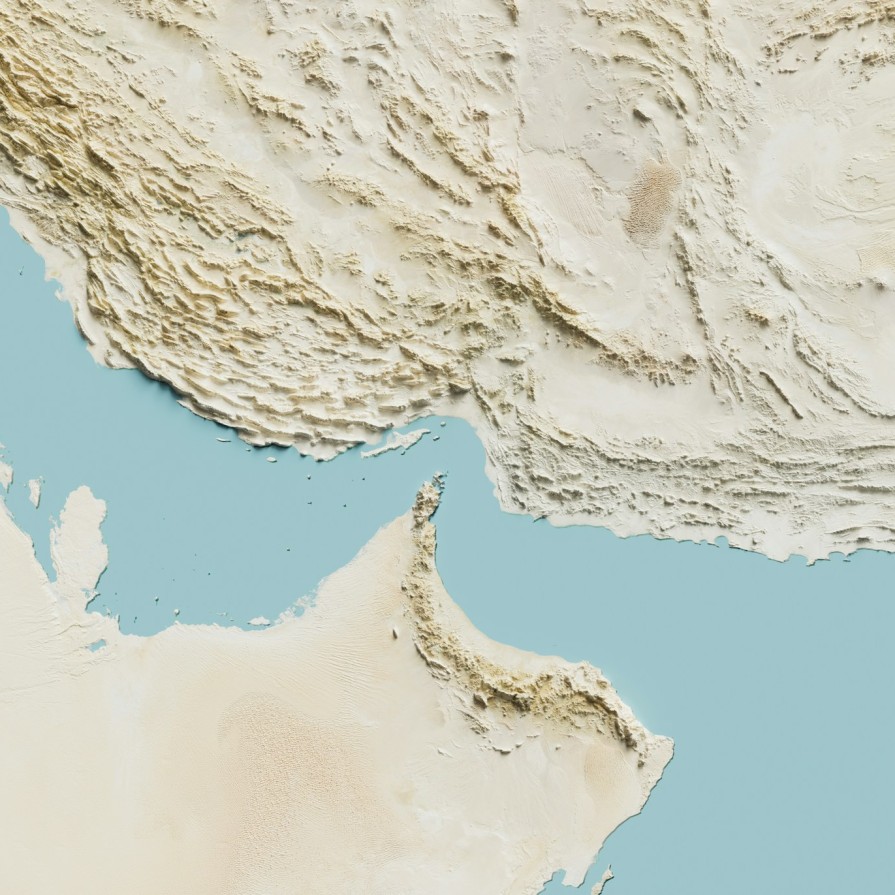
In a significant escalation of tensions in one of the world's most critical maritime chokepoints, a Kuwaiti-owned oil tanker came under attack with unidentified ammunition in the Strait of Hormuz near Oman. The incident has sent shockwaves through global energy markets, immediately pushing Brent crude prices back above the $90 per barrel mark and raising concerns about the stability of oil supplies through this strategically vital waterway.
Detailed Account of the Attack
The vessel targeted in this latest security incident was identified as the Kaifan, an oil products tanker owned by Kuwait Oil Tanker Company S.A.K., according to information from the EOS Risk Group consultancy as cited by Bloomberg. This attack represents one of the most serious incidents in recent weeks in the increasingly volatile region.
The UK Maritime Trade Operations (UKMTO) reported receiving information early Tuesday morning about an incident occurring approximately 8 nautical miles northeast of Limah, Oman. According to multiple reports relayed to UKMTO, the oil tanker was communicating on VHF channel 16, announcing that it had been fired upon with unidentified ammunition while transiting the Strait of Hormuz.
In a concerning development, the vessel's Company Security Officer (CSO) reported to UKMTO that the crew had abandoned ship and were currently on lifeboats. Despite the alarming nature of the attack, authorities have reported no environmental impact resulting from the incident at this time.
The Strategic Context of the Strait of Hormuz
This latest incident occurs against a backdrop of near-paralysis in maritime traffic through the Strait of Hormuz, which has been severely impacted by multiple Iranian attacks on vessels traveling in the southern lane near Oman. The situation has deteriorated significantly over the past week, with Iranian forces increasingly targeting and harassing commercial vessels attempting to transit this critical waterway.
Oil tanker operators have virtually ceased attempting to navigate through the Strait of Hormuz since hostilities resumed more than a week ago, when Iran began systematically attacking and interfering with vessels in this strategic passage. This represents a dramatic reduction in one of the world's busiest oil shipping corridors.
| Date | Incident | Impact |
|---|---|---|
| July 2024 | Kaifan tanker attacked | Brent oil prices rise above $90/barrel |
| Previous week | Iran announced interception of 4 vessels | Significant reduction in Hormuz traffic |
| Monday | Houthis announced naval blockade of Saudi Arabia | Deterioration of regional security situation |
Iranian Activities and Recent Interdictions
The situation in the Strait of Hormuz has been further complicated by recent actions of the Iranian Islamic Revolutionary Guard Corps Navy. At the end of last week, Iranian forces announced they had intercepted four vessels attempting to pass through the Strait of Hormuz. According to statements from the Revolutionary Guard, these vessels had their transponders turned off, with two of them reportedly "experiencing accidents and being stopped."
The reduction in oil tanker traffic through Hormuz has reached its lowest level in two months, sparking growing concerns about potential supply shortages during the peak summer demand season for petroleum products. This reduction in capacity comes at a time when global oil markets are already facing various supply constraints.
Market Implications for the Oil Industry
The attack on the Kuwaiti oil tanker occurs against a backdrop of already heightened tensions in the global oil market. Following the incident, Brent crude prices immediately climbed back above the $90 per barrel threshold, reflecting market concerns about potential supply disruptions from one of the world's most important oil-producing regions.
The Strait of Hormuz serves as a vital maritime artery, through which approximately one-third of all seaborne oil trade passes. Any disruption to this critical waterway can trigger significant volatility in global oil markets, as demonstrated by the immediate price reaction following this latest incident.
Market Analysis and Price Impacts
| Market Indicator | Pre-Incident | Post-Incident | Change |
|---|---|---|---|
| Brent crude price (USD/barrel) | ~$88 | >$90 | Increase of >2% |
| Vessel traffic through Hormuz | Significantly reduced | Near paralysis | Further decrease |
| Regional security risk assessment | High | Very high | Increased risk |
Regional Political Developments
The security situation in the Middle East deteriorated further on Monday when Yemen's Houthis—a group with reported ties to Iran—announced an immediate naval blockade of Saudi Arabia. This development effectively extends the US-Iran conflict to the southern entrance of the Red Sea, threatening the alternative export route that Saudi Arabia has utilized to avoid disruptions in the Strait of Hormuz.
The Houthi blockade creates a dual threat to regional energy security, simultaneously impacting both the Strait of Hormuz and the Red Sea, which represents another critical maritime corridor for global trade. This coordinated pressure on multiple shipping lanes significantly amplifies the risks to global energy supplies.
Future Outlook and Potential Scenarios
The ongoing cessation of oil tanker traffic through the Strait of Hormuz risks leading to global supply shortages, particularly during the peak summer demand period when oil consumption typically reaches its annual maximum. Oil-importing nations, especially those in Asia, may face higher prices and supply instabilities in the coming weeks.
Maritime security experts predict that the current tense situation will likely persist for at least several weeks in the absence of diplomatic intervention to de-escalate tensions. Energy companies and shipping operators are reportedly evaluating alternative routing options, though these often involve longer transit times and increased costs.
Conclusion
The attack on the Kuwaiti oil tanker in the Strait of Hormuz serves as a stark reminder of the escalating tensions in the Middle East and their potential impact on global energy security. With oil prices once again surpassing the $90 per barrel threshold and oil tanker traffic through this strategic corridor nearly at a standstill, the global oil market faces significant challenges.
Oil-importing nations and energy industry stakeholders will need to closely monitor developments in the region while simultaneously considering alternative supply chain strategies to ensure stable energy flows amid increasingly volatile security conditions. The situation underscores the critical importance of this narrow waterway to global energy markets and the potential economic consequences of sustained disruptions in this vital shipping lane.
The coming weeks will be crucial in determining whether diplomatic efforts can successfully de-escalate tensions or if the region will continue down a path of increased confrontation with potentially far-reaching implications for global energy markets and economic stability.