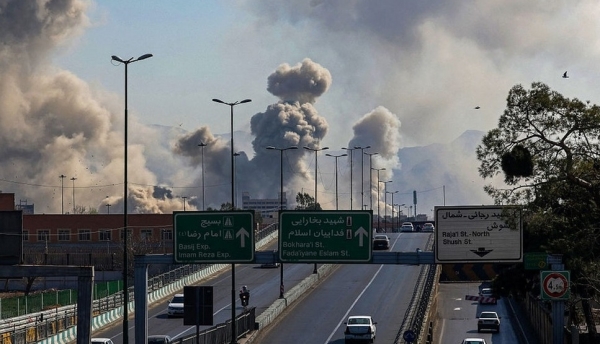
Iran Officially Terminates Ceasefire Agreement with United States, Escalating Middle East Tensions
In a surprising move on the international stage, Iran has officially declared its suspension of commitments under the ceasefire agreement reached with the United States as renewed conflict between the two nations reignites. The decision comes amid the highest levels of tension between the two countries in recent years, raising concerns about potential military escalation in the volatile Middle Eastern region.
Conflict Background
Relations between the United States and Iran have remained consistently tense since the U.S. withdrawal from the 2015 nuclear agreement under President Donald Trump. However, the situation has deteriorated significantly in recent months following attacks targeting U.S. forces in the Middle East and subsequent retaliatory actions from Washington.
Iran accuses the United States of violating previous ceasefire agreements, while Washington alleges Tehran supports anti-American armed groups. The escalating series of tensions has raised international concerns about the risk of large-scale military conflict.
Iran's Official Statement
Nasser Kanaani, spokesperson for Iran's Ministry of Foreign Affairs, officially announced the suspension of the ceasefire order during a press conference on Tuesday. He emphasized that Iran was compelled to take this step following repeated violations of previous commitments by the United States.
"After the United States and its allies continued hostile actions and violated ceasefire agreements, Iran has decided to suspend its implementation of commitments," Kanaani stated.
Iran also announced it would reconsider its policy toward the United States once the regional situation stabilizes. However, Iran did not specify a timeline for this review process.
Reactions from the United States and International Community
Ned Price, spokesperson for the U.S. Department of State, strongly condemned Iran's announcement. He described the move as "provocative and dangerous" and affirmed that the United States would continue to protect its interests and personnel.
"We are not seeking conflict, but we will not hesitate to act to defend ourselves and our allies," Price stated.
The United Nations has also expressed deep concern over the situation. Secretary-General António Guterres called on both sides to exercise restraint and return to dialogue to prevent escalation into a large-scale conflict.
Regional and Global Impacts
Iran's decision is expected to have profound effects on security in the Middle East. Regional nations including Israel, Saudi Arabia, and Iraq are closely monitoring the situation's developments.
Economically, escalating tensions could impact the global oil market. As one of the world's largest oil producers, any conflict involving Iran could disrupt global oil supplies, potentially leading to price volatility and supply chain disruptions.
Additionally, the suspension of the ceasefire could affect ongoing negotiations regarding Iran's nuclear program, which has been a focal point of international diplomacy for over a decade.
History of U.S.-Iran Relations
Relations between the United States and Iran have experienced numerous ups and downs in modern history. The following table summarizes key milestones:
| Year | Major Event | Impact |
|---|---|---|
| 1953 | U.S. and UK overthrow Prime Minister Mossadegh | Establishment of pro-U.S. regime |
| 1979 | Islamic Revolution | Diplomatic relations severed |
| 1980-1988 | Iran-Iraq War | Hundreds of thousands casualties |
| 2015 | JCPOA Nuclear Agreement | Partial restoration of relations |
| 2018 | U.S. withdrawal from nuclear agreement | Tensions escalate again |
| 2020 | U.S. kills General Soleimani | Iran retaliates with missile strikes |
| 2023 | Iran suspends ceasefire | Increased risk of conflict |
Future Analysis
International security experts describe the current situation as extremely fragile. While both nations claim they do not desire military conflict, the risk of misunderstandings or defensive actions could lead to unintended escalation.
"We are at a dangerous point in U.S.-Iran relations," Dr. James Smith, Middle East expert at Georgetown University, stated. "Both sides have red lines, and crossing these lines could lead to irreversible consequences."
Despite these concerns, some analysts remain optimistic that diplomatic channels could prevent conflict. Countries such as Qatar, Oman, and Iraq have previously served as mediators in negotiations and may continue to play this role in de-escalating tensions.
The suspension of the ceasefire follows a series of incidents including attacks on U.S. military bases in Syria and Iraq, which Washington blamed on Iranian-backed groups. In response, the U.S. has increased its military presence in the region and imposed additional sanctions on Iranian officials and entities.
Conclusion
Iran's decision to suspend the ceasefire agreement has pushed its relationship with the United States into a new phase of heightened risk. The international community is urging both sides to exercise restraint and return to negotiation tables to avoid a conflict that could have severe consequences for the region and the world.
Meanwhile, civilians in both countries and across the region are expressing anxiety about the future. Only time will tell whether tensions will subside or continue to escalate into a larger crisis. The situation remains fluid, with potential implications for global security, energy markets, and the broader geopolitical landscape.