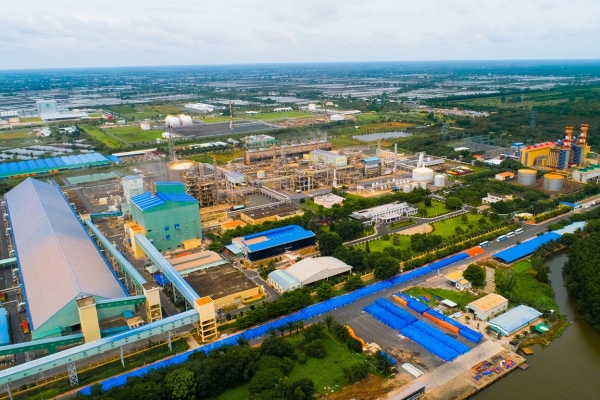
Part 2: Leading Enterprises Before a New Mission
In the context of Vietnam's orientation toward rapid and sustainable growth goals and building an independent, self-reliant economy, enterprises are not merely business entities but direct forces in realizing strategic objectives regarding science and technology, international integration, state economic development, private economic development, and institutional improvement.
The New Position of Enterprises in National Development Strategy
Over recent periods, under the decisive leadership of the Party and State, Vietnam's enterprise system has undergone significant transformations, not only making important contributions to economic growth but also becoming the primary driving force in implementing the country's strategic goals. Leading enterprises, particularly state-owned enterprises (SOEs) and large economic corporations, are expected to play a pivotal role in realizing the nation's sustainable development aspirations.
Challenges and Opportunities in the New Context
In the face of globalization trends and the Fourth Industrial Revolution, Vietnamese enterprises confront both significant challenges and opportunities. The challenges include intense competition from international rivals, dependence on foreign technology, and limitations in high-quality human resources. However, from these challenges, enterprises also have opportunities to innovate, create, and enhance their competitive edge.
To meet the requirements for rapid and sustainable development, enterprises need to focus on breakthrough solutions such as:
- Strong investment in science, technology, and innovation
- Improving the quality of human resources, especially high-quality talent
- Strengthening linkages between enterprises and between enterprises and research institutes
- Proactively engaging in international integration while maintaining national identity and interests
The Role of Different Types of Enterprises in the Economy
In a socialist-oriented market economy, different types of enterprises play complementary roles, contributing to overall development. The table below compares the roles of various enterprise types:
| Enterprise Type | Role in the Economy | Key Advantages |
|---|---|---|
| State-owned Enterprises | Strategic orientation, leading key sectors, ensuring national economic security | Abundant resources, large capital mobilization capability, implementation of large-scale projects |
| Private Enterprises | Creating competitive momentum, flexibility, innovation, and job creation | Quick market response, innovation, high efficiency |
| Foreign-invested Enterprises | Bringing advanced technology, management experience, creating value chain linkages | Access to modern technology, international markets, professional management |
| Cooperative Enterprises | Mobilizing small resources, developing rural agriculture, ensuring social welfare | Community proximity, sustainable development, environmental protection |
Development Directions for Leading Enterprises
To fulfill their new mission in the current context, leading enterprises need to focus on the following strategic orientations:
1. Science, Technology Development and Innovation
Enterprises should consider science and technology as the primary driver for growth, proactively invest in research and development (R&D), transfer high technology, and build an innovation ecosystem. Large corporations like Vietnam Oil and Gas Group (PetroVietnam) and Vietnam Electricity Group (EVN) are pioneering in applying high technology to production and business operations.
2. Enhancing Competitiveness and International Integration
Enterprises need to improve competitiveness by enhancing product and service quality, building strong brands, and proactively participating in global value chains. Enterprises should leverage free trade agreements (FTAs) signed to expand export markets and attract foreign investment.
3. Sustainable Development and Social Responsibility
Enterprises should focus on sustainable development, balancing economic profits with social responsibility and environmental protection. Implementing sustainable development standards not only helps enterprises enhance their reputation but also creates long-term value for the community and society.
4. Institutional Improvement and Governance Enhancement
Enterprises need to continue innovating their governance models, applying international governance standards, and enhancing transparency and operational efficiency. Improving corporate governance mechanisms, especially for state-owned enterprises, is a key factor in enhancing operational efficiency and contributing to the economy.
Conclusion
Before the new mission in the context of the country's orientation toward rapid and sustainable growth, leading enterprises need to clearly recognize their roles and responsibilities. With determination, innovation, and creativity, enterprises will not only contribute to economic development but also become the primary driving force in realizing the country's strategic goals, building an independent, self-reliant economy and successfully integrating internationally.
To accomplish this mission, enterprises need the accompaniment and favorable conditions from the Government and society. Only then can Vietnamese enterprises truly become the primary driving force for the country's sustainable development, contributing to making Vietnam a developed, high-income country by 2049 as set forth in the goals.
#VietnameseEnterprises #SelfReliantEconomy #HighTechnology #InternationalIntegration #SustainableDevelopment