Gia Lai Calls for Investment in High-Tech Energy Projects
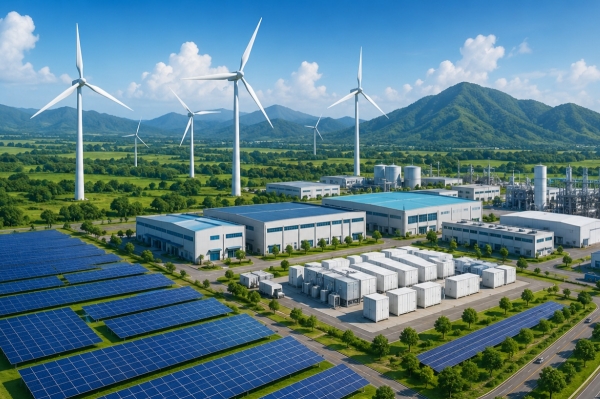
The province of Gia Lai has recently announced its investment project portfolio for 2027, with special priority given to industrial energy and high-tech projects. This strategic move aims to capitalize on the global energy transition trend, attracting investors into the equipment manufacturing chain serving renewable energy development and green industrial growth.
Focus on Key Sectors
According to the announced plan, Gia Lai Province will focus on attracting investment in key sectors of the high-tech energy industry:
- Battery storage production
- Solar panel manufacturing
- Wind power equipment production
- Green hydrogen development
Strategic Context
Gia Lai, with its favorable geographical location and abundant renewable energy potential, is striving to become a high-tech energy center of the Central Highlands region. The province possesses significant potential for land use, natural resources, and high-quality human resources, creating favorable conditions for the development of high-tech energy projects.
The province is also accelerating the economic structure shift from agriculture to industry and services, with high-tech industry and clean energy identified as the main drivers.
Global Energy Transition Trends
Gia Lai's focus on attracting investment in high-tech energy projects comes against the backdrop of a global shift toward renewable energy. According to a report by the International Energy Agency (IEA), global investment in clean energy reached a record $1.8 trillion in 2023, a 17% increase from the previous year.
In Vietnam, the government has also issued the Renewable Energy Development Strategy to 2030, with a vision to 2050, setting a target of achieving 60-70% of total electricity capacity from renewable energy sources by 2030.
| Vietnam's Renewable Energy Market Forecast to 2030 | |
|---|---|
| Solar Energy | 20,000 MW |
| Wind Power | 18,000 MW |
| Biomass Energy | 2,000 MW |
| Small-scale Hydropower | 500 MW |
Gia Lai's Competitive Advantages
Gia Lai possesses several competitive advantages for developing high-tech energy projects:
- Central location in the Central Highlands with convenient connections to neighboring provinces
- Vast land areas suitable for large-scale industrial projects
- Abundant renewable energy potential, especially solar and wind power
- High-quality human resources from universities and colleges in the region
- Attractive investment incentive policies
Sustainable Development Orientation
The attraction of investment in high-tech energy projects aims not only at economic development but also at sustainable development. These projects will contribute to:
- Reducing greenhouse gas emissions
- Creating clean, safe energy for residents
- Promoting digital transformation in the energy sector
- Creating high-quality jobs for local workers
- Developing supporting industries, increasing added value
Challenges and Solutions
Despite its potential, developing high-tech energy projects in Gia Lai also faces several challenges:
- Inadequate technical infrastructure
- Limited availability of high-skilled professionals
- Administrative procedures need improvement to facilitate investors
- Need for mechanisms to encourage innovation
To address these challenges, Gia Lai Province is focusing on improving infrastructure, training human resources, and simplifying administrative procedures. At the same time, the province is developing attractive incentive policies to attract high-tech enterprises both domestically and internationally.
Future Vision
According to the development plan to 2030, Gia Lai aims to become a high-tech energy center of the Central Highlands region, making an important contribution to the national energy transition strategy. The province sets a target of attracting at least 10 major high-tech energy projects with a total investment of $5 billion in the 2025-2030 period.
The development of high-tech energy projects will also contribute to diversifying the province's economic structure, reducing dependence on agriculture and resource exploitation, and moving toward a sustainable knowledge-based economy.
This strategic move by Gia Lai comes amid the strong trend of global energy transition, creating opportunities for localities with potential for renewable energy and high-tech development.
Conclusion
The call for investment in high-tech energy projects is the right direction for Gia Lai Province, not only meeting the global development trend but also significantly contributing to the sustainable socio-economic development of the locality. With existing advantages and high political determination, Gia Lai can completely become an attractive destination for investors in the high-tech energy sector.
These projects will not only create economic value but also significantly contribute to implementing commitments to reduce greenhouse gas emissions, building a green economy, and achieving sustainable development in Vietnam.