Why the US Withdrawn Its Proposal to Charge Fees for Ships Passing Through the Strait of Hormuz
In a significant policy shift, the Trump administration has decided to withdraw its controversial proposal to impose fees on commercial vessels transiting through the Strait of Hormuz. This decision has raised important questions about American maritime security strategy and its relationships with Gulf nations.
The Geopolitical Context of the Strait of Hormuz
The Strait of Hormuz, a strategically vital waterway, serves as the sole maritime passage for oil-rich Gulf nations including Iran, Iraq, Kuwait, Saudi Arabia, Bahrain, Qatar, the United Arab Emirates, and Oman. Approximately 30% of the world's seaborne oil, equivalent to 17-18 million barrels daily, passes through this narrow chokepoint.
The geopolitical sensitivity of this region has been demonstrated through numerous past crises, particularly the escalating tensions between the US and Iran. Ensuring maritime security in this strait has consistently remained a top priority for the international community.
The Controversial Fee Proposal
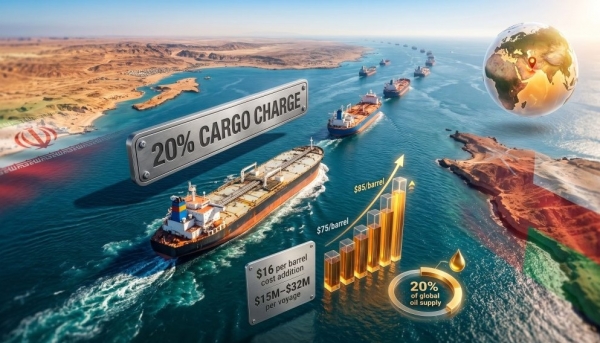
In early 2020, the Trump administration unveiled a plan that sent shockwaves through global maritime trade: imposing a 20% fee on the value of cargo for all vessels passing through the Strait of Hormuz. The stated rationale was to offset the costs incurred by the US in protecting this critical maritime shipping lane.
Under the proposed plan, these fees would have been used to fund naval operations in the region aimed at countering threats to maritime security. However, the proposal immediately faced widespread condemnation from the international community and America's trading partners.
International Reactions to the Proposal
- European Union: Expressed deep concerns about the proposal's legality under international law
- China: Argued that this unilateral action violated freedom of navigation rights
- Russia: Appreciated the opposition from regional countries
- Saudi Arabia and other Gulf allies: Worried about negative impacts on trade and relations with partners
Reasons for the US Withdrawal
After weeks of intense debate, the White House opted for a strategic pivot. Rather than imposing fees, the US shifted focus toward promoting investment agreements with Gulf nations. More importantly, the administration recognized that the fee proposal might do more harm than good to American interests in the region.
The key factors leading to the withdrawal included:
- Strong opposition from the international community and traditional allies
- Risk of exacerbating tensions with Iran
- Potential negative impact on relations with Gulf allies
- Legal concerns regarding international maritime law
- Risk of fracturing the anti-Iran coalition
Professional Analysis of the Issue
According to maritime law experts, the US fee proposal could have violated the United Nations Convention on the Law of the Sea (UNCLOS), which the US has not ratified but generally adheres to many of its provisions. Under the convention, nations are prohibited from imposing charges on the right of innocent passage through territorial waters and international straits.
The following table summarizes the key perspectives on the fee proposal:
| Entity | Position | Reasoning |
|---|---|---|
| United States | Initially supported | Compensate for maritime security costs |
| European Union | Opposed | |
| Iran | Strongly opposed | |
| China | Opposed | |
| Saudi Arabia |
Impact of the Withdrawal Decision
The US withdrawal of the fee proposal has been welcomed internationally as a sign that Washington remains committed to multilateral cooperation on maritime security issues. However, the challenge of funding naval patrols in the region remains unresolved.
According to expert analysis, this decision could:
- Enhance cooperation between the US and Gulf nations on maritime security
- Reduce short-term tensions with Iran
- Pave the way for international legal solutions to maritime security cost-sharing
- Reshape American energy security strategy in the Middle East
Future Prospects
Although the fee proposal has been withdrawn, ensuring maritime security in the Strait of Hormuz remains a pressing concern. Experts predict that the US will focus on the following approaches:
- Strengthening military cooperation with Gulf nations
- Promoting multilateral initiatives on maritime security
- Negotiating cost-sharing agreements with regional stakeholders
- Developing advanced maritime surveillance and patrol technologies
President Trump has demonstrated flexibility in his foreign policy by shifting from a fee-based approach to promoting investment cooperation. This new approach could help the US maintain regional influence without exacerbating geopolitical tensions.
Conclusion
The US withdrawal of its proposal to charge fees for ships passing through the Strait of Hormuz serves as an important lesson in the complexities of foreign policy and international law. This decision indicates Washington's recognition of the limitations of unilateral actions and the necessity of multilateral cooperation.
The Strait of Hormuz will likely remain a geopolitical hotspot in the future. Ensuring maritime security along this vital shipping lane requires cooperation from all stakeholders rather than unilateral measures that could further destabilize the region.
America's handling of this issue could reshape how great powers approach global maritime security challenges, emphasizing dialogue and cooperation over imposition and unilateralism.