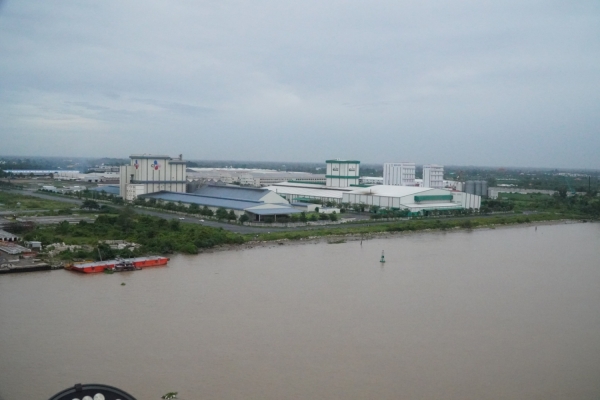
Vĩnh Long Pioneers Eco-Industrial Park Model to Address Waste Management Challenges
The Vietnamese province of Vĩnh Long is researching a pilot eco-industrial park model aimed at minimizing waste and creating sustainable production linkages, addressing the current environmental pressure from waste management practices.
Chairman of the Vĩnh Long Provincial People's Committee has directed the Department of Natural Resources and Environment to research and propose a pilot eco-industrial park model. This initiative emerges from the current reality that waste management across the province still relies predominantly on landfill methods, creating significant environmental pressure.
Background of the Waste Management Challenge in Vĩnh Long
According to reports from the Vĩnh Long Department of Natural Resources and Environment, the volume of domestic and industrial waste in the province is rapidly increasing, estimated at approximately 350-400 tons per day. However, waste treatment technology in industrial parks (IPs) remains limited, primarily using landfill methods, which results in resource waste and environmental pollution.
Mr. Nguyễn Văn Thắng, Chairman of the Vĩnh Long Provincial People's Committee, stated: "Landfill waste treatment not only wastes resources but also poses potential risks of soil, water, and air pollution. We need to transition to a circular economy model, where waste from one process becomes raw material input for another process."
The Eco-Industrial Park Model - A Breakthrough Solution
An eco-industrial park (EIP) is a model that organizes factories and enterprises within the same industrial park based on industrial symbiosis principles, where by-products and waste from one enterprise become raw materials for another, thereby minimizing environmental discharge.
According to initial proposals, Vĩnh Long will pilot this model in an existing industrial park. Enterprises will be encouraged to participate in circular value chains, thereby reducing waste and saving on treatment costs.
Benefits of the Eco-Industrial Park Model
The implementation of the eco-industrial park model in Vĩnh Long offers numerous practical benefits:
- Waste Reduction: Through utilizing waste as raw materials for other production processes
- Resource Conservation: Reduced consumption of raw materials, energy, and water
- Economic Efficiency: Lower waste treatment costs, creation of new products from waste
- Environmental Protection: Reduced pollution and greenhouse gas emissions
- Enhanced Competitiveness: Enterprises producing "green" products that meet market requirements
Implementation Challenges
Despite its significant potential, the implementation of the eco-industrial park model in Vĩnh Long faces numerous challenges:
- Lack of financial resources for investing in advanced treatment technologies
- Limited technological capacity and expertise of local enterprises
- Difficulties in connecting enterprises to form circular chains
- Need for encouraging policies and support for enterprise transition
- Impact on current land use planning
Implementation Plan
According to the plan, Vĩnh Long will implement the eco-industrial park pilot model in three phases:
| Phase | Timeline | Main Tasks |
|---|---|---|
| Phase 1 | 2023-2024 | Research, survey, and develop pilot project proposal |
| Phase 2 | 2024-2025 | Pilot implementation in 1 IP, connect at least 5 enterprises |
| Phase 3 | 2025-2030 | Expand model to other IPs in the province |
The Vĩnh Long Department of Natural Resources and Environment is coordinating with related departments to build detailed proposals, expected to be submitted to the Provincial People's Committee in the fourth quarter of 2023.
Long-term Vision
In the long term, Vĩnh Long aims to become a leading locality in developing eco-industrial parks in the Mekong Delta region. This model not only addresses waste management issues but also contributes to circular economic development toward sustainable growth.
According to Mr. Thắng: "This is the inevitable trend of modern industrial development. We expect the eco-industrial park model to be a highlight in Vĩnh Long's socio-economic development strategy in the coming period."
Successful implementation of this model will not only solve environmental problems but also create a circular economic development model that can be replicated nationwide, contributing to Vietnam's sustainable development goals.
Global Context and Significance
The eco-industrial park concept aligns with global sustainability trends and the circular economy movement gaining momentum worldwide. As countries seek to balance economic growth with environmental protection, industrial symbiosis models like the one being implemented in Vĩnh Long offer practical pathways to reduce industrial footprints while maintaining economic competitiveness.
Vietnam's commitment to sustainable development, as outlined in its National Strategy on Green Growth and commitments under international climate agreements, makes initiatives like Vĩnh Long's eco-industrial park particularly significant. If successful, this model could serve as a template for other industrial regions in Vietnam and similar developing economies.
Stakeholder Engagement and Future Prospects
The success of Vĩnh Long's eco-industrial park initiative will depend on effective engagement from multiple stakeholders including government agencies, industrial park management, enterprises, research institutions, and local communities.
Initial discussions with potential participating enterprises have shown positive interest, particularly from businesses in food processing, agriculture, and manufacturing sectors that could benefit from waste-to-resource conversion opportunities. The provincial government is also exploring partnerships with international organizations and development agencies that have experience in implementing similar models in other countries.
As the project moves forward, monitoring and evaluation mechanisms will be crucial to assess environmental, economic, and social impacts, ensuring continuous improvement and adaptation based on lessons learned during implementation.