July 15: Middle East Heats Up as Trump Proposes Fees for Strait of Hormuz Passage
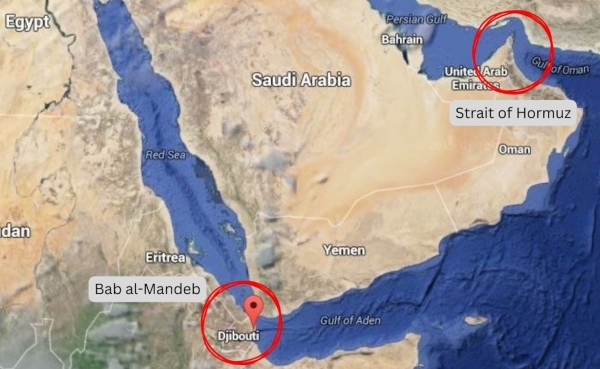
Global Energy Times - Amid escalating tensions in the Middle East, U.S. President Donald Trump has unexpectedly proposed a plan to impose fees for passage through the Strait of Hormuz - the world's most strategically important maritime route for oil transport. This proposal has sent shockwaves through the international community and could further destabilize an already volatile region.
Escalating Tensions in the Middle East
The Strait of Hormuz, located between Iran and the Arabian Peninsula, represents the world's most critical maritime chokepoint, through which approximately 30% of globally traded oil is transported by sea. The region has emerged as a hotspot of tension in recent months, particularly following the U.S. withdrawal from the Iran nuclear deal in 2018 and the subsequent imposition of economic sanctions against the country.
Early July saw an Iranian warship seize a British oil tanker in the Strait of Hormuz, heightening concerns about potential crisis in the area. This latest incident marks another development in the escalating tensions between Tehran and the West.
Trump's Controversial Proposal
In a highly publicized statement on July 15, President Trump suggested that the United States should impose fees for protecting international shipping lanes in the Strait of Hormuz. He argued, "We have been protecting these sea lanes for decades, and other nations should contribute to the cost of this protection service."
The proposal comes as the United States seeks to increase pressure on Iran while simultaneously reducing financial burdens on its military. However, the suggestion has immediately faced opposition from numerous countries and international experts.
International Community's Response
Iran: Tehran's government swiftly condemned Trump's proposal as "piracy" and vowed to protect its rights in the Strait of Hormuz. Iranian Foreign Minister Mohammad Javad Zarif stated: "The United States has no legal right to impose fees on international shipping lanes. This action violates international law."
European Union: EU nations expressed concerns about the proposal, fearing it could further escalate tensions in the region. A high-level EU official commented: "We understand the security concerns, but the solution lies in dialogue and de-escalation, not in imposing fees."
Russia and China: Both countries opposed the U.S. proposal, arguing it violates international law and could lead to military conflict. Russian Foreign Minister Sergei Lavrov noted: "This is a unilateral action not recognized by international law."
United Kingdom: The UK, with significant economic interests in the region, voiced reservations about the fee proposal. Prime Minister Boris Johnson indicated that Britain was discussing the situation with allies but did not support charging for maritime protection.
Potential Impacts on Global Energy Markets
The Strait of Hormuz is the world's most vital oil transit route, with approximately 20 million barrels of oil passing through daily. Any disruption to this waterway could significantly impact global oil prices.
Trump's fee proposal could lead to several potential scenarios:
- Iran might retaliate by closing the Strait of Hormuz, triggering a global energy crisis
- Other nations could form separate alliances to protect shipping lanes without U.S. involvement
- Oil prices could surge if tensions escalate, affecting the global economy
- Oil companies might alter shipping routes, increasing transportation costs and time
Comparative Analysis of Potential Fee Proposal Impacts
| Factor | Short-term Impact | Long-term Impact |
|---|---|---|
| Oil Prices | 10-15% increase if tensions escalate | 20-30% increase if Strait of Hormuz is closed |
| Maritime Security | Increased risks for shipping vessels | Regional maritime security structure changes |
| International Relations | Escalating U.S.-Iran tensions | Global security order transformation |
| Global Economy | Growth slowdown of 0.2-0.5% | Global energy structure realignment |
Expert Analysis
According to maritime security experts, Trump's proposal appears more politically motivated than practically feasible. "The unilateral imposition of fees by the U.S. in the Strait of Hormuz is legally unfeasible and could be counterproductive," stated Dr. John Smith, an expert in international maritime law.
However, some analysts suggest the proposal reflects genuine U.S. concerns about the costs of protecting global maritime security. "The United States has spent billions protecting critical sea lanes, and it's reasonable for other nations to contribute to these costs," noted Dr. Sarah Johnson, an international relations expert.
Future Scenarios
In the coming months, the situation in the Strait of Hormuz could evolve along several possible paths:
- Scenario 1: The U.S. and allies form a maritime security alliance without imposing fees. Iran de-escalates after receiving guarantees against additional sanctions.
- Scenario 2: Tensions continue to escalate, with Iran temporarily closing the Strait of Hormuz, causing an energy crisis. Oil prices skyrocket, forcing all parties back to the negotiation table.
- Scenario 3: Asian nations establish a separate alliance to protect shipping lanes, reducing dependence on U.S. maritime security.
Conclusion
President Trump's proposal to impose fees for passage through the Strait of Hormuz has further heightened tensions in the Middle East, an already volatile region. Regardless of the political intentions behind this proposal, it will undoubtedly have profound implications for maritime security and global energy markets.
In this context, the international community needs to seek legal and political solutions that ensure maritime security without exacerbating instability. The Strait of Hormuz remains the world's most critical maritime passage, and stability in this region is vital for the global economy.
#MiddleEast #StraitOfHormuz #Trump #MaritimeSecurity #Energy #Iran