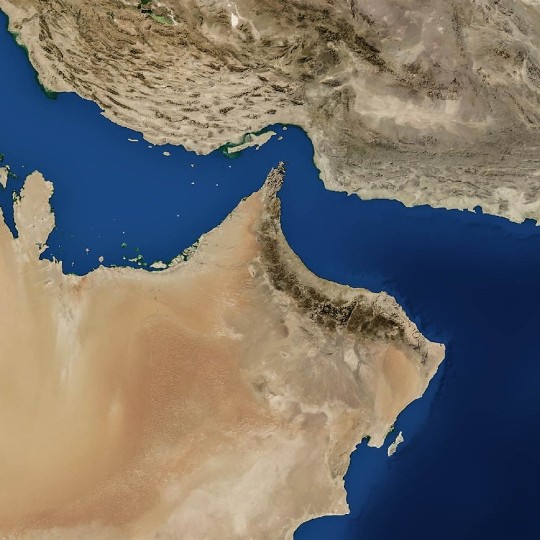
Proposal for 20% Fee on Goods Passing Through Strait of Hormuz: A Controversial Policy Shift
Former U.S. President Donald Trump's recent proposal to impose a 20% fee on all goods passing through the Strait of Hormuz has sparked significant debate among international trade experts, energy analysts, and legal scholars. This unprecedented move, if implemented, would fundamentally alter global energy trade dynamics and potentially accelerate the worldwide transition to renewable energy sources. The proposal raises critical questions about international maritime law, economic consequences, and the future of global energy markets.
Economic Implications of the Proposed Fee
The Strait of Hormuz serves as a critical chokepoint for global energy trade, through which approximately 21 million barrels of oil and petroleum products pass daily prior to recent tensions. At an average oil price of $70 per barrel, the total value of goods transiting this strategic waterway amounts to approximately $1.47 billion daily. A 20% fee would add approximately $294 million daily to transportation costs, equivalent to over $107 billion annually for oil shipments alone.
The economic impact extends beyond crude oil, affecting liquefied natural gas (LNG) and numerous other commercial goods. Analysts estimate that the total annual fee collection could reach $115 billion when considering all commodities passing through the strait.
| Average Oil Price (USD/barrel) | Annual Fee Revenue (billion USD) |
|---|---|
| $60 | $92 |
| $70 | $107 |
| $80 | $122 |
The fee structure would create complex market distortions. Energy-importing nations would bear the brunt of these costs, with potential price increases affecting everything from gasoline prices to manufacturing expenses. Developing economies, particularly those heavily dependent on Middle Eastern energy imports, would face disproportionate economic challenges.
Legal Framework and International Maritime Law
From a legal perspective, the proposal faces significant obstacles. International maritime law, particularly the United Nations Convention on the Law of the Sea (UNCLOS), establishes clear principles regarding transit passage through straits used for international navigation. Article 38 of UNCLOS explicitly guarantees ships the right of transit passage through such straits, which "shall not be impeded."
The International Maritime Organization (IMO) has previously affirmed that no legal basis exists for any nation to impose fees or discriminatory conditions on transit through international straits. The United States, as a non-littoral state of the Strait of Hormuz, would lack jurisdictional authority to unilaterally impose such charges.
Legal experts warn that implementing such a fee would set a dangerous precedent, potentially encouraging other nations to impose similar charges on critical international waterways. This fragmentation of global maritime governance could undermine the entire framework of international trade law.
Impact on the Oil and Gas Industry
The oil and gas sector would experience profound consequences from this policy. The immediate effect would be higher transportation costs, which would likely be passed on to consumers through elevated energy prices. This creates a potential negative feedback loop: higher fees lead to higher oil prices, which in turn increase the fee burden, further elevating costs.
Industry analysts suggest several potential responses from the energy sector:
- Accelerated development of alternative transportation routes, such as pipelines or rail networks
- Increased investment in energy efficiency and conservation technologies
- Greater emphasis on domestic energy production in importing countries
- Shift toward long-term contracts that account for increased transportation costs
These changes could fundamentally alter investment patterns in the energy sector, potentially reducing capital expenditure on new oil and gas projects while increasing funding for alternative energy solutions.
Environmental Implications and Accelerated Energy Transition
From an environmental perspective, the policy could inadvertently advance climate goals by making fossil fuels from the Persian Gulf less competitive. Higher transportation costs would disadvantage Middle Eastern energy sources compared to alternatives, potentially accelerating the global shift toward renewable energy.
This economic pressure could drive several positive environmental outcomes:
- Increased adoption of solar, wind, and other renewable energy sources
- Enhanced investment in electrification technologies
- Greater development of green hydrogen and other alternative fuels
- Improved energy efficiency across multiple sectors
The policy might create conditions where renewable energy sources become more economically attractive not due to direct climate policies, but through market mechanisms influenced by altered transportation economics.
Geopolitical Considerations
The proposal carries significant geopolitical ramifications. The Strait of Hormuz is bordered by Iran and Oman, with nearby territories including those of the United Arab Emirates, Saudi Arabia, Qatar, and Kuwait. Any unilateral imposition of transit fees by the United States would likely provoke strong diplomatic responses from these nations.
Regional dynamics could shift in several ways:
- Strengthened energy cooperation among Gulf nations to counter external pressures
- Potential realignment of international alliances and trade partnerships
- Increased emphasis on diplomatic solutions to maritime disputes
- Possible emergence of new international frameworks for managing strategic waterways
The policy might also influence global security calculations, as nations reassess their military postures and energy security strategies in response to changed economic conditions.
Market Responses and Alternative Pathways
Global markets would likely respond to the proposed fee through several mechanisms:
- Price adjustments in energy markets as transportation costs are factored into commodity pricing
- Shifts in global supply chains as businesses seek to minimize exposure to the fee
- Increased investment in alternative energy technologies and infrastructure
- Potential development of new trade agreements that account for altered energy economics
Energy-importing nations might pursue various strategies to mitigate the impact:
- Diversification of energy suppliers and routes
- Strategic petroleum reserve expansions
- Accelerated development of domestic renewable energy resources
- Enhanced energy efficiency measures across industries
Long-Term Implications for Global Energy Architecture
If implemented, this policy could mark a turning point in global energy architecture. The increased cost of Persian Gulf energy might accelerate several long-term trends already underway in the energy sector:
- Declining importance of fossil fuels in the global energy mix
- Rising prominence of distributed energy systems
- Increased regionalization of energy markets
- Faster adoption of energy storage and grid modernization technologies
The policy might also influence international climate negotiations by creating economic realities that align with emission reduction goals, potentially making more aggressive climate policies politically viable in some nations.
Conclusion: Unintended Consequences and Global Transformation
Donald Trump's proposal for a 20% fee on goods passing through the Strait of Hormuz represents more than just a trade policy—it could become a catalyst for profound global transformation. While facing significant legal and diplomatic obstacles, the policy highlights tensions in current international arrangements and the evolving nature of global energy markets.
From an economic perspective, the fee would substantially increase energy costs globally, potentially accelerating the transition away from fossil fuels through market mechanisms rather than direct climate policy. Environmentally, this could result in faster adoption of renewable energy sources and alternative technologies. Geopolitically, the proposal might reshape alliances and create new international frameworks for managing strategic waterways.
Ultimately, while the policy's implementation faces considerable challenges, its very proposal underscores the fragility of current global energy arrangements and the potential for unexpected policy shifts to accelerate long-term structural changes in the global economy and energy landscape.