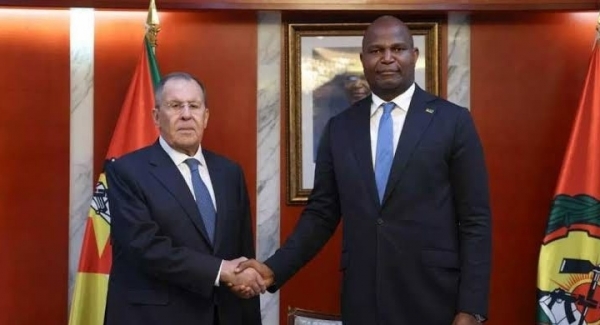
Russia's Strategic Move in Africa: Mozambique Emerges as Global Energy Hotspot
In an increasingly intense geopolitical competition among world powers, Russia is making a significant strategic move in Africa, focusing on Mozambique—a nation rapidly emerging as a new global energy hotspot with liquefied natural gas (LNG) projects valued at over $50 billion.
The Conflict Context in Cabo Delgado
Cabo Delgado province in northern Mozambique has become the center of international attention due to security instability that has persisted for several years. Islamist extremist groups have carried out numerous attacks, causing significant human casualties and material damage, while directly threatening the massive energy projects in the region.
According to sources, since the conflict erupted in 2017, more than 3,000 people have been killed and over 800,000 displaced. Multinational energy companies such as TotalEnergies (France), Eni (Italy), and ExxonMobil (United States) have been forced to suspend or scale back operations due to security concerns.
Russia's Proposal for Military Support
In this context, Russia has offered to enhance military support to the Mozambican government to control the security situation in Cabo Delgado. This move is viewed as part of Moscow's strategy to expand its influence in Africa, where Russia has gradually built partnerships with numerous nations.
According to analysts, Russia's involvement not only brings security benefits to Mozambique but also creates opportunities for Russian companies to participate in the nation's burgeoning energy market. Companies such as Gazprom and Rosneft have expressed interest in Mozambique's LNG projects.
The Strategic Value of LNG Projects
Mozambique possesses enormous natural gas reserves, particularly in the offshore areas of Cabo Delgado province. The LNG projects in this region are valued at over $50 billion, including:
- Coral South LNG: Led by Eni (Italy), valued at approximately $8 billion
- Rovuma LNG: Led by TotalEnergies (France), valued at approximately $20 billion
- Mozambique LNG: Led by ExxonMobil (United States), valued at approximately $23 billion
These projects not only promise substantial revenue for Mozambique but also have the potential to transform the country into one of the world's leading LNG exporters, competing with Qatar, Australia, and the United States.
| Major LNG Projects in Mozambique | |
|---|---|
| Project Name | Value (Billion USD) |
| Coral South LNG | 8 |
| Rovuma LNG | 20 |
| Mozambique LNG | 23 |
| Total | 51 |
Reactions from Stakeholders
Russia's growing involvement in Mozambique has elicited varied responses from countries and international organizations.
- France: This country has historical ties with French-speaking African nations and maintains a presence in Mozambique through TotalEnergies. Paris may reassess its position if Russian influence increases.
- United States: Washington is monitoring the situation closely and may increase support for the Mozambican government to counterbalance Russia's growing influence.
- Europe: The European Union is concerned about energy dependence on Russia and is seeking to diversify its energy sources, including Mozambique.
- China: Beijing also maintains strong economic relations with Africa and may view Mozambique as part of its "Belt and Road" initiative.
Geopolitical Implications
Russia's engagement in Mozambique could bring significant changes to the African geopolitical landscape:
- Enhanced Russian influence in Africa, particularly in the energy sector
- New competition among major powers for influence in Africa
- Shift in the balance of power in Southeast Africa
- Impact on global energy supply chains
The Future of Energy in Mozambique
Despite facing numerous security challenges, Mozambique's energy potential remains highly valued. Analysts forecast that:
- Mozambique's LNG production could reach 25-30 million tons/year by 2030
- Revenue from LNG exports could account for 30-40% of Mozambique's GDP
- Mozambique could become a significant LNG supplier to Asia and Europe
- Security stability in Cabo Delgado will be a decisive factor in the development pace of these projects
Conclusion
Russia's involvement in Mozambique's security situation marks a new step in Moscow's African strategy. With LNG projects worth tens of billions of dollars, Mozambique is becoming a hotspot for geopolitical competition among major powers. The future of this African nation will depend on its ability to balance international relationships and ensure security for its strategic energy projects.
The game in Mozambique is not just a counter-terrorism effort but a race for influence and energy resources for the 21st century. Russia's move in Africa could reshape the balance of power on the continent and impact global energy supply chains for decades to come.
#Mozambique #Russia #Africa #LNG #Energy #Geopolitics #CaboDelgado #NaturalGas