EVN Reviews Progress of Key Power Grid Projects in Northern Vietnam
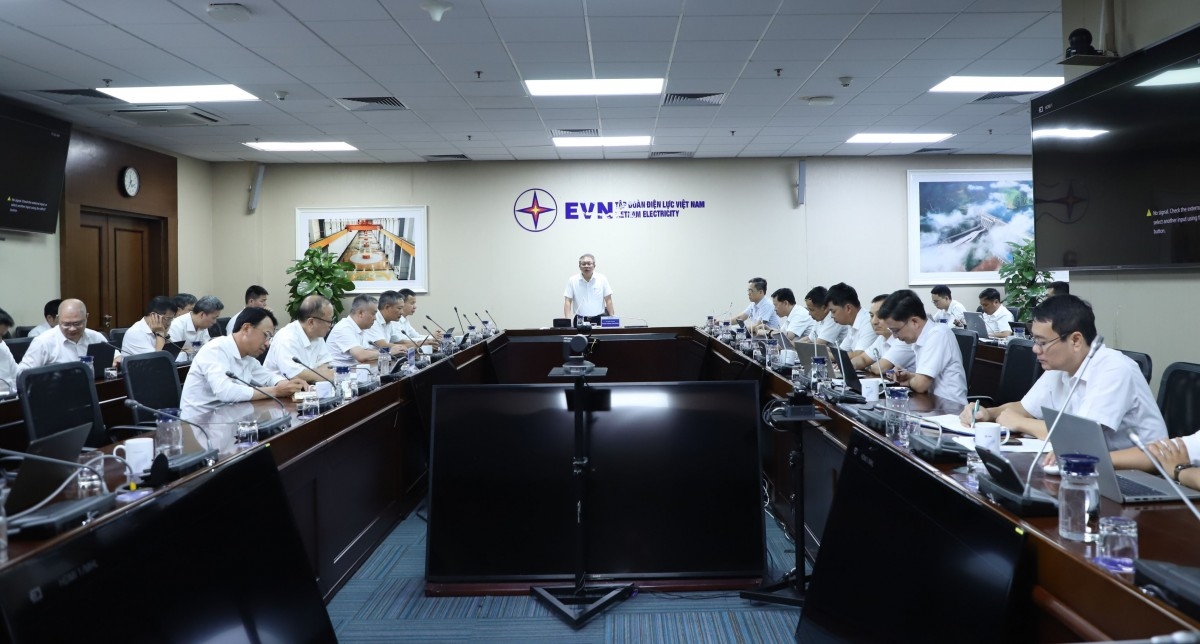
In a significant development for Vietnam's energy infrastructure, Vietnam Electricity (EVN) convened a crucial meeting on July 13, 2026, in Hanoi to thoroughly assess the implementation status of major power grid projects across the northern region. Chaired by Mr. Pham Hong Phuong, Deputy General Director of EVN, the meeting brought together key stakeholders to evaluate current progress, identify challenges, and formulate strategies to ensure the reliable supply of electricity to meet growing demand in the coming years.
Meeting Objectives and Significance
The meeting represented a critical checkpoint in Vietnam's ambitious energy development plans, focusing specifically on the northern power grid infrastructure. With Vietnam's economy continuing to expand and industrial zones proliferating, the demand for electricity has surged, placing increased pressure on the existing power distribution network.
Mr. Pham Hong Phuong emphasized the importance of these projects in ensuring national energy security and supporting sustainable economic growth. "The northern region is the economic heartland of Vietnam, with numerous industrial parks, commercial centers, and densely populated urban areas," he stated. "Therefore, strengthening our power grid infrastructure is not just a technical necessity but an economic imperative."
The meeting had three primary objectives:
- Comprehensive evaluation of the progress made on key power grid projects throughout 2026
- Assessment of the grid's capacity to meet projected electricity demands for the 2027-2028 period
- Identification and resolution of obstacles affecting priority projects to ensure timely completion
Current Status of Power Grid Projects
During the meeting, EVN presented a detailed overview of the implementation status of various power grid projects across the northern region. The assessment revealed a mixed progress picture, with some projects advancing according to schedule while others face significant delays due to various challenges.
The northern power grid, which serves approximately 40% of Vietnam's population and accounts for over 45% of the country's industrial output, has been undergoing extensive upgrades to accommodate growing demand and integrate renewable energy sources. These projects are critical for stabilizing the national power system, particularly during peak consumption periods.
The following table summarizes the status of three key power grid projects currently under implementation:
| Project Name | Progress (%) | Estimated Completion | Primary Obstacles |
|---|---|---|---|
| 220kV Transmission Line from Hoa Binh to Hanoi | 75% | Q4 2026 | Approval procedures and land acquisition |
| 500kV Substation Expansion in Bac Ninh Province | 60% | Q2 2027 | Financial constraints and equipment supply delays |
| Smart Grid Implementation in Hanoi Metropolitan Area | 80% | Q1 2027 | Coordination between multiple utility companies |
Challenges and Implementation Obstacles
The meeting highlighted several significant challenges affecting the timely completion of power grid projects in northern Vietnam. These obstacles span technical, financial, administrative, and coordination domains:
Financial Constraints: Many projects face funding shortfalls due to rising construction costs and limited capital allocation. The global supply chain disruptions have also increased equipment costs, straining project budgets.
Administrative Bottlenecks: Complex approval processes and regulatory requirements have caused significant delays. Land acquisition procedures, in particular, have proven problematic, with lengthy negotiations and compensation processes often extending project timelines.
Technical Challenges: Integrating renewable energy sources into the traditional grid has presented technical difficulties. The intermittent nature of solar and wind power requires advanced grid management solutions that are still being developed.
Coordination Issues: Effective collaboration between EVN, local authorities, and other utility companies has been inconsistent. This has led to scheduling conflicts, duplicated efforts, and inefficient resource utilization.
Proposed Solutions and Strategic Approaches
To address these challenges, EVN has developed a comprehensive set of solutions designed to accelerate project implementation and ensure the reliable delivery of electricity to northern Vietnam:
- Enhanced Inter-agency Coordination: EVN plans to establish a formal coordination mechanism with relevant ministries, provincial authorities, and other stakeholders. This will include regular inter-departmental meetings and a shared digital platform for real-time project updates and issue resolution.
- Accelerated Land Acquisition Process: To reduce delays related to site clearance, EVN will work with the Ministry of Natural Resources and Environment to develop a streamlined land acquisition protocol. This includes standardized compensation frameworks and dedicated mediation teams to resolve disputes quickly.
- Innovative Financing Models: To address funding constraints, EVN will propose more flexible financial mechanisms, including public-private partnerships (PPPs), green bonds, and international development loans. The company will also seek to optimize project phasing to match available funding with critical implementation milestones.
- Technology Integration: EVN plans to accelerate the adoption of digital technologies in grid management, including advanced monitoring systems, predictive maintenance tools, and automated grid control systems to improve efficiency and reliability.
Future Outlook and EVN's Commitments
Looking ahead to 2027-2028, EVN has projected a 7-8% annual increase in electricity demand for the northern region, driven by industrial expansion, urbanization, and the growing adoption of electric vehicles. To meet this demand, the company aims to complete all priority projects by the end of 2027, with interim milestones established for each quarter.
"Our goal is not just to meet current demand but to build a resilient, flexible power grid that can accommodate Vietnam's future energy needs," Mr. Pham Hong Phuong stated. "This includes supporting the government's commitment to increasing renewable energy's share in the national energy mix to 30% by 2030."
EVN has committed to implementing a robust monitoring and reporting system, with weekly progress reviews for priority projects and monthly comprehensive reports to the Ministry of Industry and Trade. The company will also establish a dedicated task force to proactively identify and resolve emerging issues.
Conclusion
The July 13, 2026 meeting marked a pivotal moment in Vietnam's power grid development, demonstrating EVN's commitment to addressing infrastructure challenges proactively. By implementing the proposed solutions and maintaining rigorous oversight of project implementation, EVN aims to ensure the reliable delivery of electricity to support Vietnam's continued economic growth and development.
As Vietnam transitions toward a more sustainable energy future, the successful completion of these power grid projects will play a crucial role in stabilizing the national energy system, integrating renewable energy sources, and meeting the evolving needs of industrial, commercial, and residential consumers across the northern region.