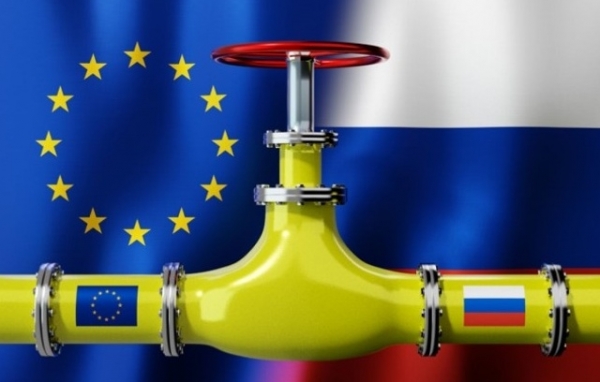
European Refineries Adjust Strategy Following Russia's Moves
In the context of global energy market volatility, European refineries are implementing significant strategic adjustments, prioritizing gasoline and diesel production over other products. This shift represents a direct response to the substantial increase in refining margins for these two road fuels, while simultaneously resulting from recent Russian decisions regarding crude oil exports.
Background: Russia's Decisions and Impact on the Oil Market
Following Russia's implementation of crude oil production cuts and redirection of export flows, the global oil market has experienced significant fluctuations. Moscow has reduced crude oil production in accordance with OPEC+ agreements while simultaneously redirecting exports from Western markets toward Asia and other nations. This has created fundamental shifts in the global supply-demand structure, directly impacting the operations of European refineries.
According to analysts, Russia's reduced crude oil exports to Europe have forced regional refineries to seek alternative supply sources while facing higher input costs. Interestingly, however, the market has witnessed a significant increase in refining margins for gasoline and diesel production.
Strategic Shift of European Refineries
In response to the new market conditions, European refineries are rapidly adjusting their production structures to optimize profitability. Rather than allocating resources evenly across petroleum products, they are concentrating on gasoline and diesel—the two fuel types with the highest current refining margins.
This strategic shift is clearly evidenced by:
- Increasing gasoline and diesel production capacity by 10-15% compared to average levels
- Reducing production of heavy oil products such as kerosene and industrial lubricants
- Adjusting crude oil import orders to align with the new production structure
- Restructuring refineries to optimize the production process for road fuels
Significant Volatility in Refining Margins
The refining margin (crack spread)—the difference between crude oil prices and refined product prices—has changed considerably in recent months. Particularly, crack spreads for gasoline and diesel in Europe have reached multi-year highs, providing strong motivation for European refineries.
According to market data, crack spreads for gasoline and diesel in Europe increased from an average of 5-10 USD/barrel in Q4 2022 to 15-20 USD/barrel in Q1 2023. Meanwhile, crack spreads for other petroleum products like kerosene and industrial lubricants have decreased.
| Fuel Type | Crack Spread (USD/barrel) - Q1 2023 | Crack Spread (USD/barrel) - Q4 2022 | Change (%) |
|---|---|---|---|
| Gasoline | 18.5 | 8.2 | +125.6% |
| Diesel | 16.8 | 7.5 | +124.0% |
| Kerosene | 4.2 | 6.8 | -38.2% |
| Industrial Lubricants | 3.5 | 5.2 | -32.7% |
Deep Analysis of Underlying Causes
The increase in crack spreads for gasoline and diesel is not merely coincidental but reflects fundamental market trends. Multiple factors have contributed to this situation:
- Increased Summer Demand: European summers typically see heightened gasoline demand due to increased tourism and road transportation.
- Energy Transition: The shift from coal to diesel in certain industrial sectors has increased demand for this fuel.
- Supply Shortages: Refinery outages or maintenance in Asia have reduced global diesel supply to the market.
- Slower Crude Oil Price Increases: Despite fluctuations in crude oil prices, refined product prices for gasoline and diesel have risen faster, creating attractive profit margins.
Impact from Russia's Decisions
Russia's decisions regarding crude oil production cuts and export redirection have played a crucial role in reshaping the market. According to experts, Russia's reduced crude oil exports to Europe have created supply pressure, but have simultaneously decreased the volume of heavy oil products (such as kerosene) that Russia exports to the region.
This means Europe must produce more road fuels domestically while potentially importing fewer heavy oil products. The result is a supply-demand imbalance for various petroleum products in the European market, driving up gasoline and diesel prices.
| Month | Russian Oil Production (million barrels/day) | Exports to Europe (million barrels/day) | Export Share to Europe (%) |
|---|---|---|---|
| Feb 2022 | 10.8 | 4.2 | 38.9% |
| Jun 2022 | 9.5 | 2.8 | 29.5% |
| Dec 2022 | 8.9 | 1.9 | 21.3% |
| Mar 2023 | 8.3 | 1.5 | 18.1% |
Impacts and Outlook
The strategic adjustments by European refineries are creating significant impacts on the global energy market:
- Gasoline and Diesel Prices: Prices are likely to remain elevated in the short term due to continued supply constraints amid increasing demand.
- Refinery Industry Structure: Refineries focused on road fuels may gain a competitive advantage.
- Crude Oil Market: Demand for crude oil specifically for gasoline and diesel production may increase, while demand for other products may decrease.
- Energy Policy: Continued dependence on fossil fuels may prolong the transition to renewable energy.
Long-term Outlook
While the short-term strategy of focusing on gasoline and diesel yields high profits, experts warn that the long-term trend remains toward clean energy transition. European refining companies need to consider investing in technologies that convert petroleum products into higher-value chemicals, or prepare for the transition to biofuel and hydrogen production.
Simultaneously, increasingly stringent climate policies in Europe will pressure the refining industry to reduce carbon emissions and develop more sustainable production processes.
Conclusion
The strategic shift of European refineries toward gasoline and diesel production represents a rational response to market fluctuations and Russian decisions. The attractive refining margins from road fuels have provided strong momentum for this change.
However, in the context of the global energy transition and Europe's emission reduction commitments, refineries need long-term strategies to adapt to emerging trends. While focusing on fossil fuels in the short term may generate profits, this cannot be a sustainable solution for the future.
The global oil market and refined product markets will continue to fluctuate based on political and economic decisions from major producing nations, as well as the evolving energy demands of consuming markets.