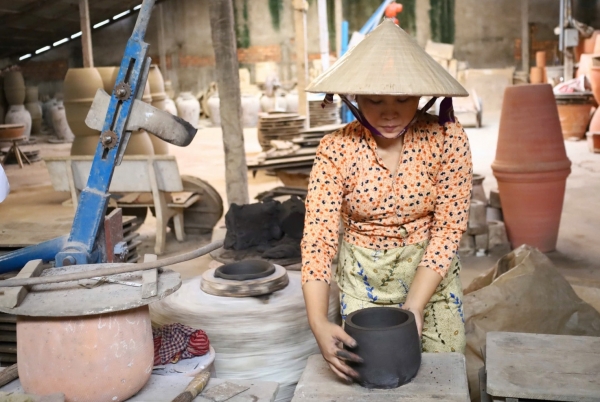
From Brick Kilns to Heritage: The Revival of Mang Thit's Pottery Legacy
Once the thriving capital of brick and pottery production in the Mekong Delta, Mang Thit district in Vinh Long province now faces the reality of numerous kilns ceasing operations. No longer dominated by smoke and flames, many kiln areas have fallen silent, marking a new phase focused on preservation and heritage valorization.
A Millennium Heritage Amidst the Mekong River
Nestled along the Tien River in Mang Thit district, Vinh Long province has long been renowned for its traditional brick and pottery craftsmanship. This is not merely an economic industry but a unique cultural heritage that reflects the wisdom and creativity of local people across generations.
Unlike other pottery villages in Vietnam, Mang Thit is famous for its distinctive red bricks, crafted from the region's unique clay soil. Mang Thit's brick and pottery products were not only widely used throughout the area but also transported to various locations across the country and even exported to international markets.
Traditional Brick and Pottery Production Process
The production process in Mang Thit is meticulously carried out by hand through these steps:
- Clay selection: Artisans choose the region's distinctive clay, known for its high plasticity and binding properties
- Raw material preparation: The clay is sifted, mixed with water, and left to ferment for a specific period
- Shaping: The material is molded into bricks of various sizes
- Drying: The bricks are dried in the sun until completely dry
- Firing: Bricks are arranged in kilns and fired at high temperatures of approximately 800-1000°C
- Finishing: After firing, bricks undergo quality inspection and packaging
Current Status: From Smoke and Flame to Silence
In the past, Mang Thit had hundreds of kilns operating continuously, creating a distinctive landscape with white smoke columns rising from the kilns. However, in recent years, the situation has changed dramatically.
| Period | Number of Active Kilns | Annual Production (million units) | Direct Labor Force |
|---|---|---|---|
| Early 21st Century | 200+ | 50 | 5,000+ |
| Present | 50+ | 15 | 1,200+ |
The main factors contributing to this decline include:
- Rising input material costs
- Environmental protection pressures
- Competition from modern building materials
- Changes in market demand
- Shortage of skilled labor
Economic and Social Impact
The decline of the traditional brick and pottery industry has had significant repercussions for Mang Thit's economy and society. Many households dependent on this craft have had to switch to other occupations, while younger generations tend to leave their hometowns in search of better job opportunities.
Nevertheless, this transformation also opens new opportunities for preserving and developing the cultural heritage value of the pottery village.
Heritage Values Worth Preserving
Beyond its economic value, Mang Thit's brick and pottery industry carries numerous cultural, historical, and artistic values:
- Historical value: The pottery craft in Mang Thit has developed for hundreds of years, closely linked with the settlement and development of the land
- Cultural value: Traditional pottery production techniques are valuable intangible cultural heritage
- Artistic value: Mang Thit pottery products feature a distinctive beauty with their characteristic red color and exquisite designs
- Social value: The pottery craft has created a unique identity for Mang Thit's people
Future Development Directions
In light of the current situation, local authorities and Mang Thit residents are seeking new approaches to preserve and develop the pottery heritage:
1. Preserving the Traditional Pottery Village
Establishing a pottery village conservation area with exhibition spaces, museums, and facilities to preserve and introduce the history and traditional production processes. Meanwhile, preserving ancient kilns and production tools for research and tourism purposes.
2. Developing Cultural Tourism
| Tourism Product | Description | Target Audience |
|---|---|---|
| Village Pottery Tours | Exploring the traditional pottery production space | Domestic and international tourists |
| Pottery Making Experiences | Direct participation in the pottery production process | Children, families, tourists |
| Pottery Festival | Exhibitions, seminars, and pottery demonstrations | Culture and art enthusiasts |
3. Applying New Technologies
Some production facilities are experimenting with combining traditional techniques with modern technologies to enhance product quality, reduce environmental impact, and increase productivity. However, it's crucial to ensure that the distinctive character of traditional products is not lost in this process.
4. Developing New Products
In addition to traditional construction bricks, artistic pottery, decorative ceramics, and high-grade ceramic household products are being developed to meet modern market demands and bring higher economic value.
Conclusion: From Heritage to Future
The transformation of Mang Thit's pottery village from a bustling production center to a tranquil heritage space presents both opportunities and challenges. Preserving and developing the pottery heritage is not only the responsibility of authorities but requires the collaboration of the community and cultural organizations.
The dream of a Mang Thit that maintains its heritage identity while achieving sustainable economic development is achievable with appropriate strategies and determination from all stakeholders. Mang Thit's red brick pottery village is not only the pride of Vinh Long's people but also a precious gem in Vietnam's cultural heritage that needs to be preserved and promoted.
Further Reading
- Traditional pottery crafts in the Mekong Delta region
- Ceramic material culture in Western Vietnamese folk architecture
- Industrial heritage preservation in Vietnam
#MangThit #BrickPottery #CulturalHeritage #VinhLong #MekongDelta #HeritagePreservation #WesternCulture