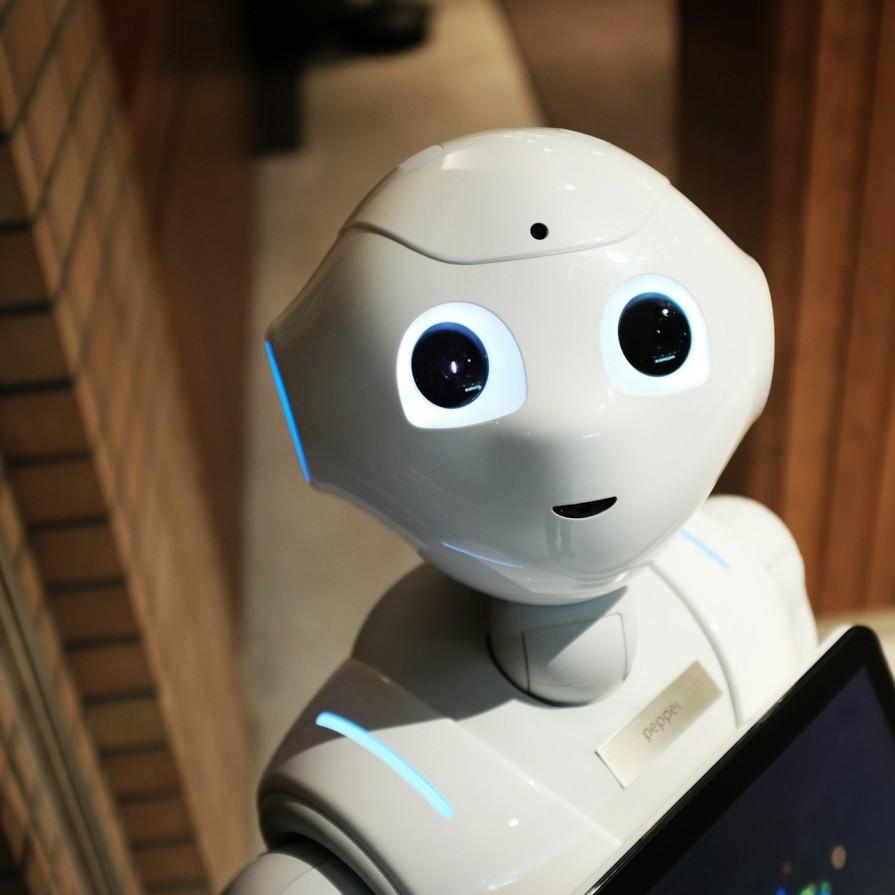
Citi Leadership Conference on Robotics & Physical AI: Assessing the Future of the Robotics Industry
The Citi Leadership Conference on Robotics & Physical AI concluded this past Tuesday, bringing together robotics founders, investors, executives, and industry leaders to evaluate the state of "physical AI." Analyst Heath Terry summarized the key takeaways from the conference on Wednesday morning, painting a picture of an evolving robotics industry transitioning from experimental concepts to commercial deployment, while also warning that scaling robotics remains challenging.
This annual conference has become a pivotal event for stakeholders in the robotics and automation space, offering insights into technological advancements, market trends, and investment opportunities. As businesses increasingly seek to integrate physical AI solutions into their operations, understanding the current landscape and future trajectory has never been more important.
Key Takeaways from the Conference
Terry explained to clients that: "Labor shortages, reshoring production, and favorable regulatory conditions are driving enterprise demand, while data scarcity, talent limitations, battery constraints, and high deployment costs remain significant hurdles." Companies that succeed in the physical AI space will be those that can own exclusive real-world data, address specific labor bottlenecks, and utilize Robotics-as-a-Service models to reduce initial costs for customers.
The conference underscored the growing commercial viability of physical AI solutions across multiple industries. While challenges persist, the momentum toward broader adoption is undeniable, with several sectors already experiencing transformative changes through automation and AI integration.
| Leading Companies | Industry Focus |
|---|---|
| Rockwell Automation | Industrial automation |
| Emerson Electric | Automation and controls |
| Honeywell | Technology and services |
| Symbotic | Warehouse automation |
| Ralliant | Sensors |
| Belden | Industrial networking |
Humanoid robots are attracting significant investor attention. Last month, BMW revealed that a new humanoid robot has been deployed at its Spartanburg plant in South Carolina. Over the past two years, approximately $20 billion has been invested in physical AI, with applications spanning warehousing, logistics, transportation, construction, aerospace, and defense.
Industry Highlights and Developments
Following the conference, it's clear that automation, robotics, and physical AI are gradually progressing toward widespread commercialization, creating sustainable growth momentum for related industrial companies. Organizations such as Rockwell Automation (ROK), Emerson Electric (EMR), and Honeywell (HON) are recognized as leading automation providers, alongside Symbotic in warehouse automation, Ralliant in sensors, and Belden in industrial networking.
The conference highlighted several critical factors shaping the future of physical AI:
- Automation Demand: Constrained labor markets and increasing domestic manufacturing activities are driving demand for automation solutions across multiple sectors.
- AI Potential: Artificial intelligence has the potential to unlock new capabilities and skills for robotics and automation systems, enabling more complex and adaptable solutions.
- Robotics-as-a-Service: This business model is helping to lower barriers for small and medium-sized enterprises, making advanced robotics technology more accessible to a broader range of businesses.
- Data Ownership: Companies that can collect and leverage proprietary data from physical operations will gain significant competitive advantages in developing and refining AI models.
- Implementation Challenges: Real-world deployment continues to present technical, safety, and integration challenges that must be addressed for broader adoption.
The conference reinforced the perspective that physical AI will be a long-term process, with sustainable value accruing to companies that own data, solve practical deployment challenges, and meet the highest safety standards. Robotics-as-a-Service models are expected to accelerate deployment, reduce initial costs for customers, and enable more effective scaling in the future.
Investment Trends and Market Growth
The $20 billion invested in physical AI over the past two years reflects growing confidence in the sector's potential. This investment has been distributed across various applications and technologies, with particular emphasis on:
| Application Area | Investment Focus |
|---|---|
| Warehousing & Logistics | Autonomous mobile robots, picking systems |
| Manufacturing | Collaborative robots, quality control systems |
| Construction | Autonomous equipment, site monitoring |
| Transportation | Autonomous vehicles, delivery systems |
| Defense & Aerospace | Unmanned systems, inspection robots |
The BMW deployment of a humanoid robot at its Spartanburg plant exemplifies the growing trend of integrating advanced robotics into manufacturing environments. Such implementations not only address labor challenges but also demonstrate the increasing sophistication and reliability of modern robotic systems.
Challenges and Opportunities
Despite the optimism surrounding physical AI, several significant challenges must be addressed:
- Data Scarcity: High-quality, domain-specific data remains limited, hindering the development of robust AI models.
- Talent Limitations: A shortage of skilled professionals in robotics, AI, and related fields is constraining growth.
- Battery Constraints: Power limitations continue to restrict the operational capabilities and duration of many robotic systems.
- High Deployment Costs: The initial investment required for implementing advanced robotics solutions remains prohibitive for many businesses.
- Integration Complexities: Incorporating robotics into existing workflows and systems presents technical and operational challenges.
Conversely, these challenges present significant opportunities for innovation and growth. Companies that can develop solutions to address these pain points stand to gain substantial competitive advantages in an increasingly automated world.
Future Outlook for Physical AI
The conference concluded with a consensus that physical AI represents a transformative shift in how industries operate, with value creation occurring across multiple dimensions:
- Operational Efficiency: Robotics and AI systems can optimize processes, reduce waste, and improve resource utilization.
- Enhanced Capabilities: AI-powered robots can perform tasks beyond human capabilities, opening new possibilities across industries.
- Economic Accessibility: As technology matures and costs decrease, advanced automation will become accessible to smaller enterprises.
- New Business Models: The emergence of Robotics-as-a-Service and similar models will create new revenue streams and market opportunities.
The long-term trajectory of physical AI appears promising, with adoption expected to accelerate as technological advancements address current limitations and business models evolve to better meet market needs.
Conclusion
Physical AI is emerging as a critical field with the potential to deliver substantial value to companies that can effectively leverage data and address real market needs. The Citi Leadership Conference on Robotics & Physical AI has provided valuable insights into the current state and future direction of this rapidly evolving industry.
As businesses continue to face labor challenges, operational complexities, and competitive pressures, the integration of physical AI solutions will likely become increasingly essential. Companies that position themselves at the forefront of this technological transformation, particularly those that can combine domain expertise with advanced AI capabilities, are well-positioned to capture significant value in the years ahead.
The journey toward widespread adoption of physical AI will be gradual, requiring continued innovation, investment, and collaboration between technology providers, businesses, and regulatory bodies. However, the potential benefits—enhanced productivity, improved safety, new capabilities, and economic efficiency—make this a space worthy of close attention and strategic consideration.