The Iranian Oil Paradox: Sanctions Eased Yet Still Difficult to Sell
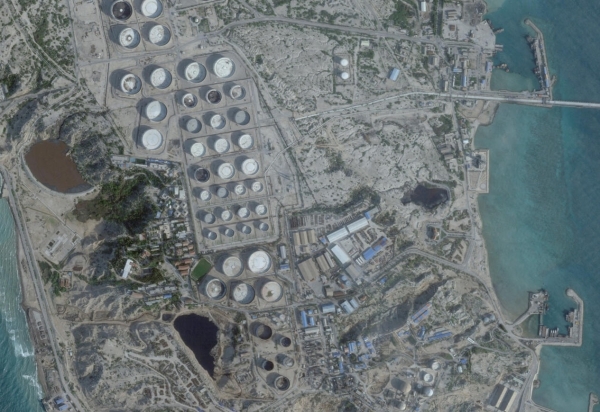
In a notable paradox of the global energy market, Iranian crude oil has been extracted, loaded onto vessels, and is now adrift at sea without clear buyers. This unusual situation has been observed by experts monitoring maritime shipping flows, despite Washington's decision in mid-June to temporarily lift sanctions on Tehran's oil exports for a 60-day period.
Background: Sanctions and Their Easing
In June 2023, the US administration announced the temporary lifting of sanctions on Iran's oil exports, a diplomatic move considered significant amid regional tensions. The initial duration of this easing was set at 60 days, with hopes of creating conditions for nuclear negotiations and reducing Middle Eastern tensions.
This easing of sanctions was expected to bring substantial oil supplies from Iran—one of the world's largest oil reserves. However, the market reality has presented a different picture.
The Current Reality: Tens of Millions of Barrels of "Stranded" Oil
According to maritime shipping experts, tens of millions of barrels of Iranian oil are currently offshore without clear destinations. Iranian oil tankers are moving across the seas without specific ports of destination, creating a rare phenomenon of "stranded oil" in the market.
Data from shipping tracking companies shows that as of early July, at least 30-40 million barrels of Iranian crude have been exported but not delivered to any ports. This volume is equivalent to approximately 700,000-900,000 barrels per day.
| Time Period | Number of Iranian Oil Tankers | Total Oil Volume (Million Barrels) | Average Days at Sea |
|---|---|---|---|
| Early July 2023 | 25-30 tankers | 30-40 million barrels | 15-20 days |
| Mid-June 2023 | 10-15 tankers | 10-15 million barrels | 5-10 days |
Deep-Rooted Causes: Why Iranian Oil Remains Difficult to Sell
Despite sanctions being eased, Iranian oil continues to struggle to find buyers. The reasons for this situation stem from multiple complex factors:
1. Persistent Legal Risks
Although the US government has eased sanctions, many companies and countries remain concerned about legal risks. The sanctions have not been completely lifted but are merely temporary, and transactions with Iran could still lead to future legal complications.
"Insurance and financial companies remain very cautious when dealing with Iranian oil, as they fear that sanctions could be reinstated at any time," an energy industry expert commented.
2. Uncompetitive Pricing of Iranian Oil
The current price of Iranian crude oil is not sufficiently competitive compared to other supply sources. Despite being sold at a discount to benchmark crude grades, this price is still less attractive than alternatives from producers like the US, Saudi Arabia, or African nations.
| Oil Supply Source | Price (USD/barrel) | Discount to Brent | Delivery Reliability |
|---|---|---|---|
| Iranian Oil | 72-74 | 5-7 USD | High Risk |
| US Oil (WTI) | 75-77 | 2-4 USD | Stable |
| Saudi Arabian Oil | 74-76 | 3-5 USD | Stable |
3. Infrastructure and Logistics Limitations
Iran has faced difficulties upgrading its oil infrastructure over many years due to sanctions. This has led to limitations in storage, transportation, and crude oil processing capabilities, reducing the appeal of its products.
4. Changes in Global Demand
Global oil demand is shifting with trends toward renewable energy and energy efficiency. Many countries are reducing their dependence on oil, which decreases demand for Iranian oil.
Impact on the Global Oil Market
The "stranded oil" situation from Iran is creating complex effects on the global oil market:
- Potential Supply Increase: Despite not being delivered, the presence of large volumes of Iranian oil has already created downward price pressure.
- Price Volatility: The uncertainty regarding where and when Iranian oil will be delivered has created price fluctuations.
- Changes in Global Oil Flows: Traditional importing countries are reconsidering their oil purchasing strategies.
- Impact on OPEC+: The situation in Iran further complicates OPEC+'s efforts to stabilize the market.
Outlook and Forecasts
According to experts, the difficulty in selling Iranian oil is likely to continue for the next few months, especially if sanctions are reinstated after the 60-day period. However, if the easing is extended and legal barriers are addressed, Iran may gradually find markets for its oil.
"Iran needs time to rebuild commercial relationships and convince international companies that purchasing their oil is legally safe," an energy market analyst noted.
Conclusion
The Iranian oil paradox—sanctions eased yet still difficult to sell—reflects the complexities of international policy and the global energy market. Despite its significant potential, Iran continues to face numerous challenges in bringing its crude oil to buyers.
This situation not only affects Iran's economy but also creates unpredictable fluctuations in the global oil market, requiring close observation from investors and policymakers.