Technological Arms Race in the Middle East: Advanced Systems Reshaping Regional Security Dynamics
The Digital Battlefield: How Technology is Transforming Conflict in the World's Most Volatile Region
TechGlobal Review - The Middle East is witnessing an unprecedented technological arms race as regional powers rapidly deploy advanced military systems, cybersecurity capabilities, and surveillance technologies. This technological transformation is not only changing the nature of warfare but also creating new paradigms in regional security dynamics, with potentially global implications for energy markets and international stability.
The Technological Landscape of Modern Conflict
According to defense technology analysts, the Middle East has become a living laboratory for next-generation military applications. Nations in the region are investing heavily in autonomous systems, artificial intelligence applications for defense, and integrated battlefield networks that are revolutionizing traditional warfare.
What makes the current situation particularly significant is the convergence of multiple technological domains – from space-based surveillance to cyber operations and autonomous weapons systems – creating a multi-dimensional battlefield that is increasingly difficult to monitor and control.
Key Technological Deployments in the Region
Three specific areas stand out as focal points for technological advancement in Middle Eastern security:
- Missile defense and counter-drone systems
- Autonomous weapons and unmanned aerial vehicles (UAVs)
- Cybersecurity and electronic warfare capabilities
Advanced Military Technology Deployments by Regional Powers
The technological competition has intensified significantly in 2023, with several nations introducing cutting-edge defense systems that could alter the strategic balance in the region.
| Country | Key Technology Deployments | Strategic Impact |
|---|---|---|
| Israel | Iron Dome & David's Sling integrated systems, AI-powered battlefield management, cyber warfare capabilities | Enhanced multi-layered defense, reduced response time to threats, expanded cyber deterrence |
| Iran | Ballistic missile upgrades, UAV swarm technology, indigenous drone production, cyber warfare units | Extended deterrence capabilities, asymmetric warfare advantages, regional influence projection |
| United Arab Emirates | Thales Raytheon air defense system, Kestrel ISR drones, AI surveillance platforms | Enhanced border security, improved situational awareness, advanced threat detection |
| Turkey | Bayraktar TB2 drone fleet, Kargu-2 autonomous combat drone, electronic warfare systems | Tactical reconnaissance advantages, reduced military casualties, expanded operational reach |
The Drone Revolution: Changing Battlefield Dynamics
Unmanned aerial systems have emerged as perhaps the most transformative technology in recent Middle Eastern conflicts. Both state and non-state actors have increasingly utilized drones for reconnaissance, precision strikes, and even as weapons platforms.
The proliferation of drone technology has created significant challenges for traditional defense systems. In response, regional powers are developing counter-drone technologies including electronic jamming systems, laser-based defenses, and kinetic interceptors specifically designed for small aerial targets.
Cybersecurity: The Invisible Frontline
Cyber capabilities have become increasingly important in Middle Eastern security calculations. Nations are investing heavily in both offensive and defensive cyber capabilities, creating a new domain of potential conflict that operates below the threshold of traditional warfare.
Recent cyber incidents targeting critical infrastructure in the region have highlighted vulnerabilities in energy, water, and transportation systems. In response, regional powers are developing sophisticated cyber defense networks and establishing specialized cyber command structures.
Space-Based Surveillance and Communications
The deployment of satellite technology has revolutionized surveillance and communications capabilities in the region. Several Middle Eastern nations have either launched their own satellites or secured access to commercial satellite imagery, providing unprecedented situational awareness.
These space-based assets enhance military operations through improved reconnaissance, communications, navigation, and early warning capabilities. The growing dependence on satellite technology has also created new vulnerabilities that are being addressed through the development of counter-space capabilities.
Artificial Intelligence and Machine Learning Applications
AI technologies are being increasingly integrated into military applications across the region. From predictive maintenance for military equipment to AI-powered target recognition and decision support systems, machine learning algorithms are enhancing operational efficiency and effectiveness.
However, the use of AI in military applications raises significant ethical and operational concerns, particularly regarding autonomous weapons systems and the potential for reduced human control over life-and-death decisions.
Impact on Global Energy Markets
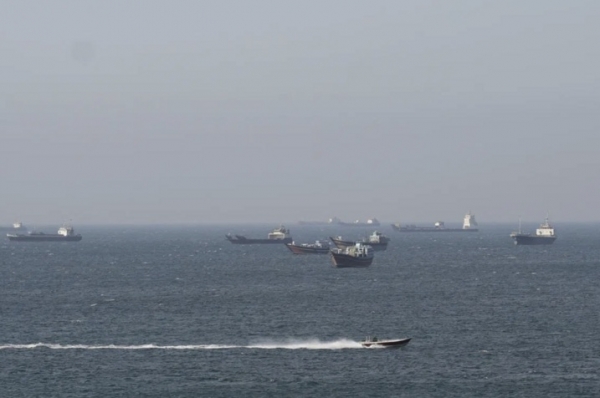
As the world's primary source of oil and natural gas, the Middle East's technological evolution in security has direct implications for global energy markets. Advanced surveillance and monitoring technologies are being deployed to protect critical energy infrastructure, including pipelines, refineries, and shipping lanes.
| Technological Security Measure | Potential Impact on Energy Markets | Implementation Timeline |
|---|---|---|
| Advanced surveillance of shipping lanes | Reduced risk of disruptions, stable supply chains, potentially lower insurance costs | Short-term (0-6 months) |
| AI-powered threat detection systems | Improved response to security incidents, reduced market volatility, enhanced price stability | Medium-term (6-18 months) |
| Autonomous protection of offshore facilities | Enhanced security for remote installations, reduced human exposure to risk, continuous monitoring | Long-term (18-36 months) |
International Responses to the Technological Arms Race
Global powers are responding to the Middle East's technological transformation through various approaches. The United States has increased its technology transfer partnerships with regional allies, while Russia and China have expanded their defense technology exports to the region.
International organizations, including the United Nations, are working to establish frameworks for the responsible use of emerging technologies in military applications, though progress has been limited by competing national interests and differing security priorities.
Future Trajectories and Strategic Implications
Looking ahead, several technological trends are likely to shape the security landscape in the Middle East:
- Increased integration of AI in decision-making processes
- Proliferation of autonomous weapons systems
- Development of quantum computing applications for military purposes
- Expansion of space-based military capabilities
- Growing importance of cyber operations in strategic calculations
Conclusion: Navigating a Technologically Complex Future
The Middle East's embrace of advanced technologies is fundamentally altering the region's security dynamics. While these technologies offer enhanced defensive capabilities and improved situational awareness, they also introduce new complexities and potential points of escalation.
As regional powers continue to invest in cutting-edge military technologies, the international community faces the challenge of promoting stability while respecting legitimate security concerns. The responsible development and deployment of these technologies will be crucial for preventing unintended escalation and maintaining regional peace.
The technological transformation underway in the Middle East serves as a microcosm of broader global trends in military technology, offering valuable insights into how emerging capabilities are reshaping the nature of conflict and international security in the 21st century.
#MilitaryTechnology #Cybersecurity #Drones #ArtificialIntelligence #MiddleEast #DefenseInnovation #SecurityTechnology #Geopolitics #EmergingTech