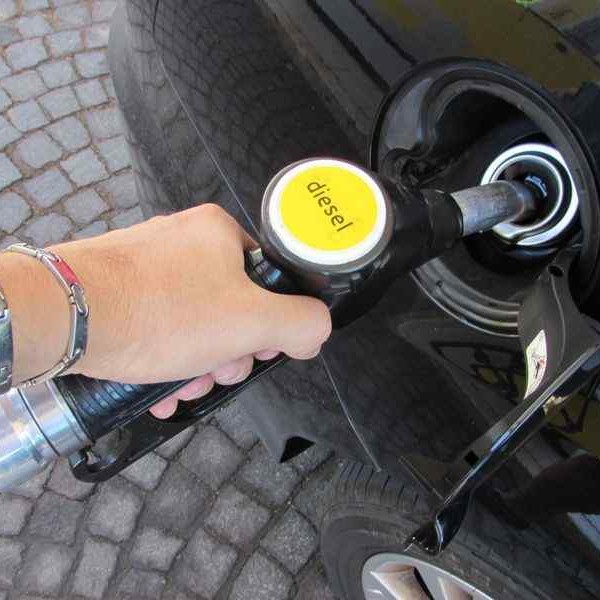
Russia Halts Diesel Exports Amid Escalating Ukrainian Attacks on Oil Refineries
In a decisive move to safeguard its domestic fuel market, Russia has officially imposed a comprehensive ban on all diesel export activities. This strategic decision follows a series of devastating drone attacks by Ukraine targeting Russia's energy infrastructure, which have significantly compromised the nation's refining capabilities and fuel supply security.
Comprehensive Export Ban Details
According to Deputy Prime Minister Alexander Novak, the export prohibition encompasses all diesel-related commercial activities, effectively closing loopholes that previously allowed domestic fuel producers to sell petroleum products abroad. The ban, which is expected to remain in effect through the end of July, represents an unprecedented measure by Moscow to prioritize domestic fuel availability amid escalating infrastructure attacks.
"The situation requires immediate intervention to ensure our domestic market remains stable," stated Novak in an official announcement. "We must take decisive steps to address the challenges facing our fuel production and distribution networks."
Devastating Impact of Ukrainian Offensive
Last Tuesday, a prolonged Ukrainian offensive successfully compromised the Omsk oil refinery, operated by Gazprom Neft and Russia's largest fuel processing facility. The attack specifically targeted key crude distillation units, forcing the complete shutdown of critical production equipment. At least four direct strikes hit the ELOU-AVT-11 crude distillation unit, which accounts for approximately 40% of the refinery's total processing capacity.
The damage to this strategically vital facility represents one of the most successful Ukrainian strikes on Russian energy infrastructure since the conflict began. The Omsk refinery, located in southwestern Siberia, plays a crucial role in supplying fuel to Russia's eastern regions and has been a persistent target for Ukrainian forces seeking to disrupt Russia's energy capabilities.
Expansion of Strategic Targets
In a significant escalation of its energy warfare strategy, Ukraine has broadened its focus to include oil infrastructure near the Baltic port city of Saint Petersburg. This expansion marks a departure from previous operations that concentrated primarily on refining facilities. The current Ukrainian campaign represents one of the most sophisticated and far-reaching offensives against Russian energy assets, demonstrating enhanced capabilities to penetrate deep into Russian territory.
Intelligence analysts suggest that these coordinated attacks are part of a broader strategy to degrade Russia's fuel production and distribution capabilities, potentially impacting both military operations and civilian supply chains. The inclusion of Saint Petersburg's energy infrastructure—home to one of Russia's largest Baltic energy hubs—indicates a comprehensive approach to targeting Russia's energy network.
Advanced Drone Technology in Modern Warfare
The Ukrainian military's recent success can be largely attributed to the deployment of advanced drone systems, particularly the Fire Point FP-1 model. These unmanned aerial vehicles demonstrated remarkable range capabilities during the Omsk attack, traveling over 2,500 kilometers to reach their target. The FP-1's innovative wing design functions as an auxiliary fuel tank, extending its operational range to an impressive 3,400 kilometers, making it one of the longest-range attack drones deployed in the ongoing conflict.
To date, Ukrainian drones have successfully targeted more than 16 major Russian oil refineries and fuel storage facilities, collectively reducing Russia's national refining capacity by over 30%. This systematic campaign has created significant challenges for Russia's fuel production and distribution networks, forcing the government to implement unprecedented measures to maintain domestic supply stability.
Production Shortfalls and Import Strategies
The sustained attacks on Russia's energy infrastructure have created a substantial domestic fuel deficit, with the country currently experiencing a 20% shortage in gasoline and diesel production. To mitigate this critical shortfall, Russian authorities have announced plans to import up to 400,000 tons of fuel monthly from neighboring countries.
In a remarkable shift in trade relationships, Russia has already commenced fuel imports from India, with at least 60,000 tons of gasoline having been shipped from the Nayara Energy refinery in Gujarat. This import agreement represents a significant realignment of Russia's fuel supply chains, which traditionally relied on domestic production rather than foreign imports.
The Russian government is reportedly negotiating additional import agreements with other Asian and Middle Eastern producers to ensure adequate supply for domestic consumption during the ongoing refining capacity crisis.
| Information Category | Key Details |
|---|---|
| Diesel Export Ban | Effective through July; comprehensive prohibition on all diesel exports |
| Omsk Refinery Attack | 40% of refinery capacity damaged; ELOU-AVT-11 unit specifically targeted |
| Fire Point FP-1 Drone | Maximum range: 3,400 km; longest-range attack drone deployed in conflict |
| Domestic Production Shortfall | 20% deficit in gasoline and diesel production nationwide |
| Fuel Imports from India | 60,000 tons of gasoline received from Nayara Energy refinery |
| Planned Monthly Imports | Up to 400,000 tons of fuel from neighboring countries |
Strategic Implications and Future Outlook
Russia's decision to halt diesel exports reflects not only the escalating tensions between Moscow and Kyiv but also a fundamental shift in the nation's energy management strategy. The unprecedented nature of this measure underscores the severity of the challenges facing Russia's fuel production and distribution networks.
Energy analysts suggest that this export ban may have significant ripple effects across global energy markets, potentially disrupting established supply chains and creating volatility in diesel prices. The move also indicates Russia's prioritization of domestic stability over international market obligations, a stance that could influence future energy policies in the region.
As Ukraine continues its campaign against Russian energy infrastructure, the effectiveness of these attacks will likely shape the trajectory of the conflict and Russia's response strategies. The deployment of increasingly sophisticated drone technology suggests that both sides are engaged in a technological arms race that could redefine modern energy warfare.
The long-term implications of these developments remain uncertain, but they undoubtedly represent a critical juncture in the ongoing conflict and its impact on global energy security.