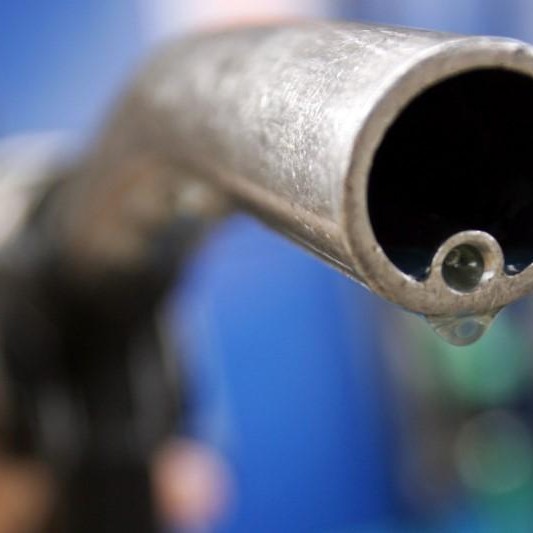
Trump Administration Expands Gas Price Investigation to State Level
Federal Government Calls for State Cooperation in Antitrust Investigation of Fuel Market
The Trump administration is formally taking its campaign against high gasoline prices to the state level. Just over a week after President Trump directed the Department of Justice to investigate potential price gouging at gas stations, federal antitrust regulators have officially requested state attorneys general to join the effort, warning that market volatility in the oil sector cannot serve as an excuse for anti-competitive behavior.
Official Letter to States
In a letter sent on Friday and reviewed by CBS News, the Department of Justice and the Federal Trade Commission (FTC) announced they are actively monitoring the oil market for evidence of price-fixing or monopolistic practices. The letter encourages states to determine whether retailers or fuel suppliers have violated their consumer protection laws.
"Recent fluctuations in crude oil prices do not suspend antitrust laws or state consumer protection laws, and they do not permit companies to manipulate retail prices or collude with competitors," the agencies wrote.
Expanded Federal Investigation
The letter goes further than last week's federal investigation announcement. While the Department of Justice and FTC acknowledge they lack jurisdiction to enforce state price-gouging regulations, they urge state attorneys general to examine whether emergency pricing laws have been violated in their jurisdictions.
"Businesses cannot use market volatility as an excuse for anti-competitive practices, fraud, or any other illegal activities that harm the American people," the agencies added.
Current Pricing Situation
The administration's increasingly aggressive stance comes as crude oil prices have fallen sharply from spring highs after tanker traffic through the Strait of Hormuz was partially restored. Brent crude has fallen back to pre-war levels, and WTI has dropped below $70 per barrel, yet retail gasoline prices have decreased much more slowly.
This discrepancy has become a frequent target of President Trump, who has repeatedly argued that gasoline prices should be much lower given the collapse in crude oil prices. He has simultaneously criticized ExxonMobil, Chevron, Shell, and BP while pressuring retailers to cut gasoline prices "immediately."
Reaction from the Oil Industry
The oil industry has responded by noting that retail gasoline prices don't move in lockstep with crude oil prices because refining costs, transportation expenses, taxes, wholesale inventory levels, and local competition all play significant roles in determining prices at the pump.
Professional Analysis of Gasoline Pricing
The following are the key factors affecting retail gasoline prices:
| Factor | Impact on Gasoline Prices | Level of Influence |
|---|---|---|
| Crude Oil Prices | Cost of raw material to produce gasoline | High |
| Refining Costs | Cost of converting crude oil into gasoline | Medium |
| Taxes | Federal, state, and local taxes | High |
| Transportation Costs | Shipping from refineries to gas stations | Medium |
| Local Competition | Number of gas stations in the area | Low |
Industry experts note that while crude oil prices are the primary determinant of gasoline prices, the delay in adjusting retail prices is due to the complex supply chain and various local factors.
Future Outlook
The Trump administration's campaign against high gasoline prices is likely to continue putting pressure on the oil industry in the short term. However, experts suggest that reducing gasoline prices depends on many external factors beyond government intervention.
Meanwhile, states are likely to carefully consider the administration's request, balancing consumer protection with maintaining a healthy competitive business environment in this critical energy sector.
Industry Implications
The expanded investigation comes at a time when the oil industry is already facing multiple challenges, including fluctuating demand due to economic uncertainties and increasing pressure toward energy transition. The potential for increased regulatory scrutiny could further complicate the operating environment for oil companies and retailers.
Industry analysts suggest that if the investigation leads to concrete evidence of anti-competitive practices, it could result in significant legal and financial consequences for implicated companies. However, without clear evidence of wrongdoing, the investigation may ultimately serve more as a political statement than a precursor to major regulatory action.
Consumer Impact
For American consumers, the investigation represents continued attention to gasoline prices, which remain a significant household expense. While the immediate impact of the investigation on pump prices is uncertain, the increased scrutiny may lead to greater transparency in pricing practices.
Historically, gasoline prices have shown significant volatility, influenced by a complex interplay of market forces, geopolitical events, and policy decisions. The current investigation represents one of the most significant federal interventions in the gasoline market in recent years.