Rosatom and Petrovietnam Collaborate to Establish Advanced Additive Manufacturing Center in Vietnam
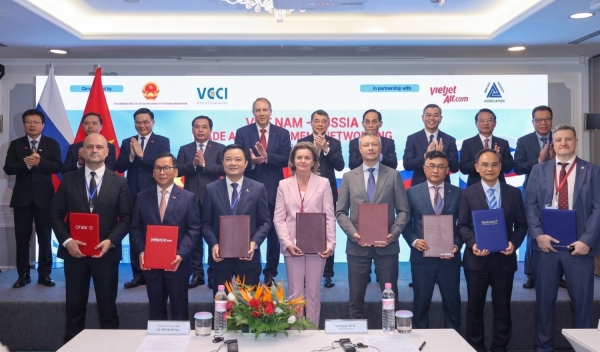
In a significant development for the technology and energy sectors in Southeast Asia, Rosatom, Russia's state-owned nuclear energy corporation, has officially signed a Memorandum of Understanding (MOU) with Petrovietnam, Vietnam's national oil and gas group. The agreement aims to establish a state-of-the-art additive manufacturing center in Vietnam, marking a pivotal advancement in industrial technology capabilities across the region.
Strategic Importance of the Additive Manufacturing Center
The establishment of this advanced additive manufacturing center represents a crucial step in modernizing Vietnam's industrial landscape and enhancing its competitiveness in the global market. By leveraging cutting-edge manufacturing technologies, Vietnam aims to position itself as a hub for innovation in Southeast Asia.
Additive manufacturing, commonly known as 3D printing, is revolutionizing production processes worldwide. This technology enables the creation of complex components through layer-by-layer material deposition, offering unprecedented design flexibility and efficiency. The planned center will focus on research, development, and application of these advanced manufacturing techniques to serve various industrial sectors.
Understanding Additive Manufacturing Technology
Additive manufacturing encompasses a range of technologies that build objects by adding material layer by layer, in contrast to traditional subtractive manufacturing methods that remove material from a solid block. This approach offers several advantages:
- Design Freedom: Enables creation of complex geometries that would be impossible with traditional manufacturing methods
- Reduced Waste: Minimizes material usage by only using what is necessary for the product
- Customization: Facilitates cost-effective production of customized or personalized components
- Rapid Prototyping: Accelerates product development cycles by quickly creating physical models
- On-Demand Production: Allows for local manufacturing of parts without large inventories
Key Applications in Various Industries
The additive manufacturing center is expected to serve multiple industries with tailored solutions:
| Industry | Potential Applications |
|---|---|
| Energy Sector | Customized components for oil and gas equipment, turbine parts, and specialized tools for maintenance operations |
| Aerospace | |
| Healthcare | |
| Automotive |
Rosatom and Petrovietnam: Key Players in the Collaboration
Both organizations bring significant expertise and resources to this partnership:
| Organization | Background and Expertise |
|---|---|
| Rosatom | Rosatom is Russia's state-owned nuclear energy corporation and one of the world's leaders in nuclear technologies. The company manages the world's largest nuclear fleet, accounts for 20% of Russia's electricity generation, and is actively involved in various high-tech industries including advanced materials and manufacturing technologies. Rosatom has extensive experience in implementing large-scale industrial projects and possesses cutting-edge expertise in metallurgy and materials science. |
| Petrovietnam | Petroleum Vietnam (Petrovietnam) is Vietnam's national oil and gas group, playing a crucial role in the country's energy security and economic development. The company is involved in the full spectrum of oil and gas activities, from exploration and production to refining and distribution. Petrovietnam has been instrumental in modernizing Vietnam's energy sector and has been increasingly focused on technological advancement and sustainable development practices. |
Goals and Expected Outcomes
The collaboration between Rosatom and Petrovietnam aims to achieve several strategic objectives:
- Technology Transfer: Facilitate the transfer of advanced manufacturing technologies from Russia to Vietnam, building local technical capabilities
- Workforce Development: Create training programs to develop a skilled workforce proficient in additive manufacturing technologies
- Research and Innovation: Establish a collaborative research environment for developing new applications and improving existing manufacturing processes
- Industrial Modernization:: Help modernize Vietnam's industrial base by introducing more efficient production methods
- Economic Growth: Stimulate economic development through technological advancement and increased industrial productivity
Both organizations anticipate that the center will not only create employment opportunities for local professionals but also attract international investment in Vietnam's technology sector. The implementation of advanced manufacturing technologies is expected to enhance product quality while reducing production costs, thereby fostering sustainable industrial growth in Vietnam.
Regional Implications and Future Prospects
The establishment of this additive manufacturing center aligns with Vietnam's broader industrial strategy and its aspirations to become a technology leader in Southeast Asia. The collaboration represents a model for international partnerships that combine technological expertise with local market knowledge.
Additionally, this initiative supports Vietnam's commitment to sustainable development by promoting resource-efficient manufacturing processes. Additive manufacturing typically produces less waste than traditional methods and can optimize material usage, contributing to more sustainable industrial practices.
The center is also expected to become a hub for knowledge exchange and collaboration between Russian and Vietnamese experts, potentially leading to further technological advancements and innovations that could benefit other industries and regions.
Implementation Timeline and Next Steps
Following the signing of the MOU, both organizations will work on developing a detailed implementation plan. The initial phase will likely involve:
- Site selection and facility planning
- Procurement of advanced manufacturing equipment
- Development of training programs for local personnel
- Establishment of research priorities and project pipelines
- Creation of governance structures for the center
The successful implementation of this project could serve as a blueprint for similar collaborations in other emerging economies, demonstrating how strategic partnerships can accelerate technological development and industrial modernization.
Conclusion
The MOU between Rosatom and Petrovietnam to establish an advanced additive manufacturing center in Vietnam marks a significant milestone in the country's technological development journey. This collaboration not only brings cutting-edge manufacturing capabilities to Vietnam but also fosters international cooperation in the advancement of industrial technologies.
As Vietnam continues to position itself as an emerging industrial power in Southeast Asia, initiatives like this additive manufacturing center will play a crucial role in enhancing the country's technological capabilities and economic competitiveness. The center is expected to become a cornerstone of Vietnam's industrial innovation ecosystem, driving progress across multiple sectors and creating new opportunities for sustainable economic growth.
This partnership exemplifies how international collaboration can accelerate technological advancement and industrial development, potentially serving as a model for similar initiatives in other emerging economies seeking to modernize their industrial base.