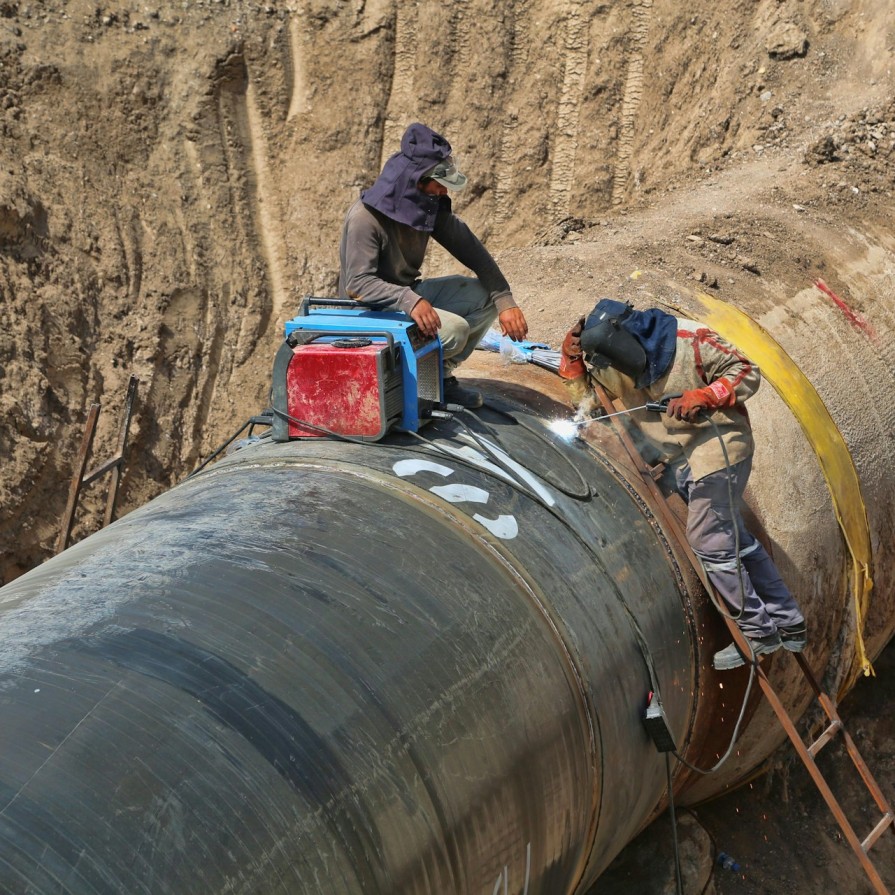
Kuwait Petroleum Corporation Proceeds with $7 Billion Stake Sale in Oil Pipeline Network
The Kuwait Petroleum Corporation (KPC) has reportedly initiated a formal bidding process for the sale of a minority stake in its oil pipeline network, seeking to raise approximately $7 billion in what would be one of the largest infrastructure deals in the Middle East this year. According to sources familiar with the matter, KPC has requested several asset management firms to submit proposals for the acquisition of equity in the pipeline infrastructure.
The move represents a strategic shift for Kuwait as it seeks to diversify its revenue streams while maintaining control over its critical energy infrastructure. The sale process comes at a time when geopolitical tensions in the region are escalating, yet Kuwait appears determined to proceed with the transaction.
Context: Growing Trend in Oil and Gas Infrastructure Investment
Earlier this year, reports emerged indicating that KPC was considering following in the footsteps of its counterparts in Saudi Arabia and Abu Dhabi by attracting major international infrastructure investors to acquire stakes in its oil pipeline network. This approach aligns with a broader regional strategy to monetize non-core assets while preserving strategic control over the energy sector.
KPC has held preliminary discussions with several major investors regarding this potential transaction. According to industry reports, the world's largest asset managers including BlackRock, Brookfield Asset Management, EIG Partners, and KKR have expressed interest in the assets that Kuwait plans to lease and lease-back to raise capital.
The Bidding Process Amid Complex Geopolitical Landscape
Notably, KPC has launched this process amid escalating tensions with Iran, demonstrating the corporation's commitment to completing a deal with a consortium of investors regardless of the complex geopolitical situation in the Middle East. This determination suggests the strategic importance of the transaction to Kuwait's economic planning.
According to sources familiar with the matter, including Reuters, the investor group including BlackRock's Global Infrastructure Partners (GIP), Brookfield, EIG Global Energy Partners, KKR, and Apollo has advanced to the next stage of the sales process. This indicates that serious negotiations are underway and that the deal is progressing beyond preliminary discussions.
Comparative Analysis with Similar Regional Deals
If Kuwait successfully structures this agreement, it will join other major crude oil producers in the region, such as Saudi Arabia and the United Arab Emirates (UAE), in selling a minority stake in their pipeline networks through lease-and-leaseback arrangements. These deals have become increasingly common as Gulf nations seek to optimize their balance sheets while maintaining control over strategic assets.
In recent years, Saudi Arabia and the UAE have signed similar agreements with international investors, including BlackRock and KKR, demonstrating a clear regional trend in energy infrastructure monetization.
| Country | Company | Deal Structure | Estimated Value | Lead Investor | Year |
|---|---|---|---|---|---|
| Saudi Arabia | Aramco | Lease and leaseback of Jafurah gas processing facilities | $11 billion | BlackRock's GIP-led consortium | 2022 |
| UAE | ADNOC | Acquisition of minority stake in gas pipeline network | Undisclosed | KKR | 2023 |
| Kuwait | KPC | Sale of stake in oil pipeline network | $7 billion (estimated) | To be determined | 2023 |
| Qatar | QatarEnergy | Infrastructure partnership in LNG facilities | $10 billion | Blackstone, Qatar Investment Authority | 2022 |
Strategic Significance of Infrastructure Monetization
The sale of equity stakes in oil and gas infrastructure represents an increasingly prevalent trend across the Gulf region, where oil-producing nations are seeking to diversify revenue sources and raise capital for other development projects while maintaining control over strategic assets. These transactions serve multiple purposes simultaneously.
For national oil companies, such deals provide substantial capital that can be reinvested in new technologies, renewable energy projects, or economic diversification initiatives. For international investors, these arrangements offer exposure to stable, cash-generating infrastructure assets with predictable long-term returns. The lease-and-leaseback structure particularly benefits Gulf nations as it allows them to retain operational control while accessing immediate capital.
Market Response and Investor Appetite
The strong interest from major investment funds such as BlackRock and Brookfield demonstrates the appeal of Middle Eastern oil and gas infrastructure assets, even amid geopolitical tensions. These institutional investors typically seek assets with stable cash flows and resilience against market volatility, characteristics that well-maintained pipeline networks inherently possess.
While the $7 billion valuation for Kuwait's pipeline network may appear substantial, market analysts suggest it represents reasonable value when considering the long-term utility of these assets and the growing global demand for energy infrastructure. The competitive nature of the bidding process, with multiple major investment firms participating, further supports this valuation assessment.
Industry experts note that these deals also provide investors with geographic diversification in their infrastructure portfolios, reducing exposure to any single region's market conditions or regulatory changes.
Implications for Kuwait's Economic Strategy
The ongoing sale process for KPC's pipeline network occurs as major oil-producing nations in the region continue to optimize their investment portfolios and raise capital for development initiatives. Kuwait's determination to proceed with the transaction despite heightened geopolitical tensions underscores the nation's strong commitment to economic modernization and diversification away from its oil-dependent economy.
Successfully completing this agreement would not only provide Kuwait with significant capital but also strengthen the country's position in the global trend of oil and gas industry internationalization, where national oil companies increasingly collaborate with international investors to maximize value from infrastructure assets.
Furthermore, this deal aligns with Kuwait's broader Vision 2035 economic development plan, which aims to transform the country into a regional financial and trade hub while maintaining its position as a significant energy producer. The capital raised from such infrastructure sales could be channeled into developing Kuwait's non-oil sectors, including technology, tourism, and logistics.
Future Outlook for Gulf Energy Infrastructure Deals
Industry observers predict that the trend of Gulf nations monetizing energy infrastructure assets is likely to continue, with several other national oil companies potentially following suit in the coming years. As global energy demand evolves and the transition toward cleaner energy sources accelerates, these deals may become increasingly sophisticated, potentially incorporating elements related to carbon capture, hydrogen transport, and other emerging energy technologies.
The success of Kuwait's pipeline network sale could serve as a benchmark for future transactions in the region, influencing deal structures, valuation methodologies, and the level of operational control retained by national oil companies.
Conclusion
The bidding process for Kuwait's oil pipeline network represents a significant development in the Middle East's energy sector, reflecting a strategic approach to capitalizing on valuable infrastructure assets while navigating complex geopolitical challenges. As the process advances, the outcome will provide valuable insights into investor sentiment toward Gulf energy infrastructure and the future direction of regional economic diversification efforts.
For Kuwait, completing this transaction successfully would mark an important milestone in its economic transformation journey, providing substantial capital for development initiatives while maintaining control over its strategic energy resources. For international investors, these deals offer exposure to stable, long-term cash flows in a region critical to global energy markets.
As the energy landscape continues to evolve, the partnership between Gulf national oil companies and international investors is likely to grow in complexity and significance, potentially setting new precedents for infrastructure investment in the global energy sector.