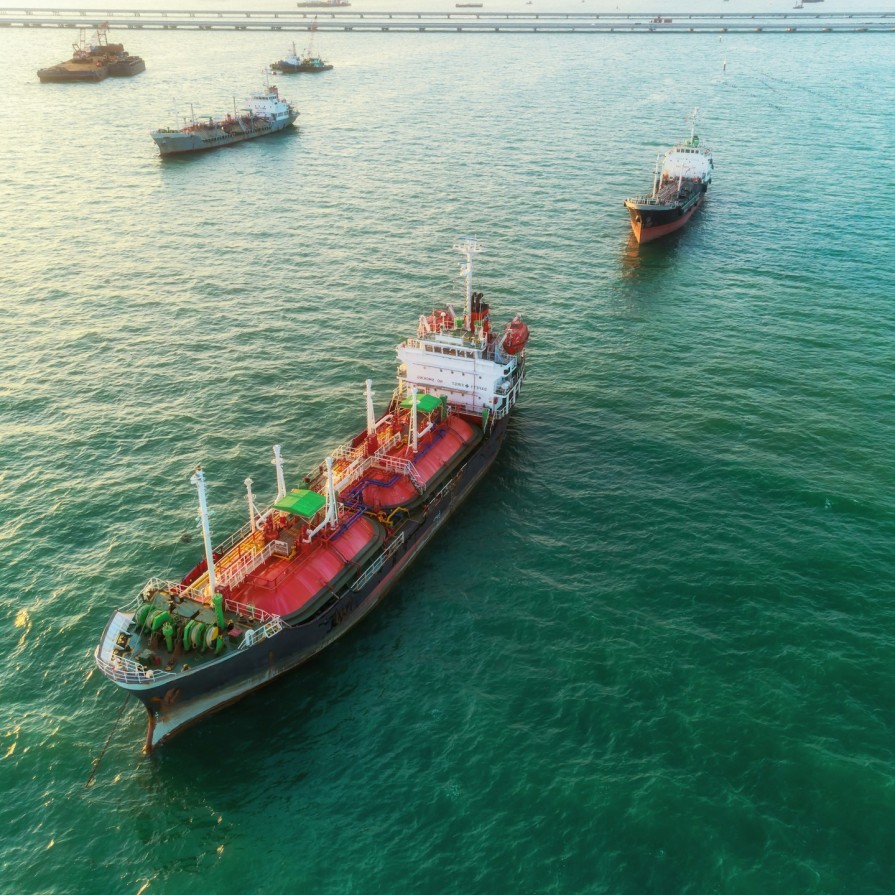
Saudi Arabia and Algeria Reduce LPG Prices Amid Rising European Natural Gas Costs
In a significant development affecting global energy markets, both Saudi Arabia and Algeria have implemented substantial reductions in liquefied petroleum gas (LPG) prices for July amid increasing global supply. This move comes at a time when European natural gas prices are experiencing a resurgence due to escalating geopolitical tensions, creating a complex landscape for global energy consumers and producers.
Major LPG Price Adjustments by Saudi Arabia and Algeria
According to information released by Reuters on Wednesday, Aramco, Saudi Arabia's national oil company, has significantly reduced its official selling prices (OSP) for LPG products. The company decreased propane prices by $180 per ton, bringing them down to $580 per ton, while butane prices were reduced by $220 per ton to $600 per ton. These substantial cuts reflect the current dynamics of the global LPG market.
Similarly, Sonatrach, Algeria's state-owned oil and gas producer, has adjusted its July OSP prices, though with less dramatic reductions. The company decreased propane prices by $57 per ton to $518 per ton and butane prices by $10 per ton to $600 per ton.
| Company | Product | Previous Price (USD/ton) | New Price (USD/ton) | Change (USD/ton) | Percentage Change |
|---|---|---|---|---|---|
| Saudi Aramco | Propane | 760 | 580 | -180 | -23.7% |
| Butane | 820 | 600 | -220 | -26.8% | |
| Sonatrach | Propane | 575 | 518 | -57 | -9.9% |
| Butane | 610 | 600 | -10 | -1.6% |
Significance of These Major Energy Producers
The price adjustments by these two state-owned energy giants carry significant weight in global markets. Aramco's OSP prices serve as the primary benchmark for LPG contracts in the Middle East and Asia-Pacific regions. Meanwhile, Sonatrach's pricing standards are used as the reference point for the Black Sea and Mediterranean markets, including Turkey.
The substantial price reductions, particularly from Saudi Aramco, have provided immediate relief to consumers in these affected markets. In Pakistan, for instance, the Oil and Gas Regulatory Authority (OGRA) responded to the global downward trend by reducing prices for 11.8kg LPG cylinders by more than 21% for July, demonstrating the direct impact of international price movements on local markets.
European Natural Gas Prices Experience Resurgence
While LPG prices are decreasing in certain markets, European natural gas prices have seen a notable increase amid rising geopolitical tensions. The recent surge comes as Iran has unexpectedly withdrawn from previously scheduled peace negotiations with US envoys in Doha, shattering hopes for a swift diplomatic resolution to Middle Eastern conflicts.
The benchmark ICE Dutch TTF contract has jumped to approximately €43.80 per megawatt-hour, reaching its highest level in over two weeks. Equivalent gas contracts in the United Kingdom have followed the European upward trend, peaking at two-week highs of 104.8 pence per therm.
Escalating Geopolitical Tensions
Iran has officially eliminated direct meetings with high-level US envoys, opting instead to rely entirely on intermediaries such as Qatar and Pakistan. This decision follows Tehran's suspension of discussions earlier this month in response to Israeli military operations in Lebanon, followed by the country's departure from the summit conference in Switzerland.
Ongoing disagreements regarding the future of ceasefire agreements, tensions related to the Strait of Hormuz, and disputes over Iran's nuclear program continue to complicate efforts toward achieving a sustainable agreement. These geopolitical factors significantly influence energy markets, particularly in regions dependent on natural gas imports.
Market Implications and Future Outlook
The diverging trends in global energy markets—falling LPG prices in some regions while natural gas prices rise in others—create a complex picture for energy consumers and producers worldwide. This dichotomy reflects both current economic and geopolitical realities and long-term challenges within the energy industry.
For consumers in markets influenced by Saudi Aramco's pricing, the current reductions provide temporary relief from energy costs. However, the resurgence in European natural gas prices highlights the vulnerability of energy markets to geopolitical instability and the interconnected nature of global energy systems.
Energy industry analysts will be closely monitoring these developments, particularly the ongoing geopolitical tensions in the Middle East and their potential impact on global energy supplies and prices in the coming months.