US Prepares to Ban Import of Chinese Energy Inverter Equipment
In the latest development in bilateral trade tensions, the Trump administration is preparing to issue an executive order banning the import of energy inverter equipment manufactured in China, according to knowledgeable sources. The decision comes amid concerns about national energy security and potential disruptions to the power grid system.
What Are Energy Inverter Devices?
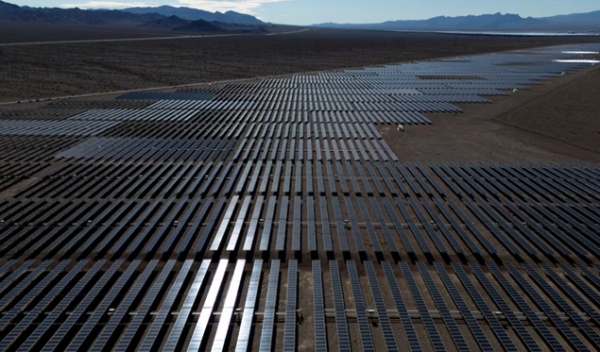
Energy inverter devices are critical electronic components that convert direct current (DC) from renewable energy sources such as solar panels and battery storage systems into alternating current (AC) for integration into the national power grid. They play a pivotal role in modern energy infrastructure, particularly in solar energy projects and energy storage systems.
As the United States accelerates the development of renewable energy to reduce dependence on fossil fuels and meet climate change commitments, inverter devices have become essential components in the energy transition infrastructure.
Details of the Proposed Ban
According to government officials, the ban is expected to focus on energy inverters imported from China, particularly those used in large-scale solar energy projects and battery storage systems. The order could be issued within weeks through an executive action.
Sources indicate that the ban may not only apply to newly imported equipment but could also affect existing projects using Chinese-made devices. This could potentially require the replacement of installed equipment in the future.
Rationale Behind the Decision
The Trump administration is concerned that China might install "backdoors" in energy inverter equipment, allowing them to disrupt power supplies or even sabotage the US power grid. This represents a serious national security concern, particularly as the energy system is the backbone of both the economy and national defense.
Additionally, the ban aims to protect the domestic energy production industry from unfair competition from Chinese companies, which are believed to receive substantial government support through subsidies and protectionist measures.
| Global Energy Inverter Market Share | ||
|---|---|---|
| Country | Market Share (%) | Annual Revenue (Billion USD) |
| China | 45% | 12.5 |
| US | 18% | 5.0 |
| Europe | 22% | 6.1 |
| Japan | 8% | 2.2 |
| Others | 7% | 1.9 |
Impact on the US Energy Sector
The ban could pose significant challenges for the US energy sector in the short term, as a substantial portion of energy inverter equipment is imported from China. Solar energy project developers and battery storage providers may face equipment shortages or substantially increased costs when switching to other suppliers.
In the long term, however, the ban could stimulate the development of domestic inverter manufacturing capabilities. US technology companies such as Tesla, Schneider Electric, and energy startups could benefit from this shift.
Impact on US-China Relations
This decision could escalate trade tensions between the world's two largest economies. China has responded to US trade restrictions with tariffs on American goods and may consider similar retaliatory measures.
Furthermore, China could leverage other tools such as restricting exports of critical materials for the battery and solar industries, including lithium, cobalt, and rare earth minerals.
| Projected Economic Impact of the Ban | ||
|---|---|---|
| Aspect | Short-term Impact | Long-term Impact |
| Renewable Energy Costs | Increase 10-15% | Decrease 5-10% |
| Employment | Loss of 5,000-10,000 jobs | Creation of 15,000-25,000 jobs |
| Renewable Energy Investment | Decrease 20-30% | Increase 10-15% |
| Energy Security | Slight increase | Significant increase |
Reactions from Stakeholders
The US energy industry has reacted mixed to the potential ban. While project developers express concerns about rising costs and delays, domestic equipment manufacturers support the ban as an opportunity to expand market share.
In China, inverter manufacturers such as Sungrow, Huawei, and GoodWe could be significantly affected, as the US represents an important market. These companies have invested heavily in the US market and may need to seek alternative markets or shift some production to other countries.
The Chinese government may consider legal action through the World Trade Organization (WTO) to oppose the ban, arguing that it represents an unreasonable trade protectionist measure.
Future Predictions
If implemented, this ban could be the first in a series of trade restrictions on Chinese energy equipment. In the context of strategic competition between the two nations, energy security may become a focal point in future trade policies.
For the US energy sector, this presents an opportunity to restructure supply chains and reduce dependence on foreign suppliers. However, developing domestic production capacity will require significant time and investment.
Conclusion
The US preparation to ban the import of Chinese energy inverter equipment reflects the growing trend of considering national security in trade decisions. Whether motivated by energy security concerns or the promotion of domestic production, this ban will certainly impact the US energy sector and trade relations with China.
In the context of transitioning to renewable energy, reliance on imported equipment, particularly from China, has become a vulnerability that needs to be addressed. However, addressing this issue requires careful consideration to avoid significant disruptions to the energy transition process and increased costs for consumers.
#SolarEnergy #EnergyInverters #USChinaTradeTensions #EnergySecurity #RenewableEnergy